• Skip to main content
  • Skip to primary sidebar
  • Skip to footer
  • Home
  • About Us
  • Copyright Report
  • Submit Content
  • Terms
  • Privacy Policy
  • Legal Disclaimer

Hasan Jasim

Hasan Jasim is a place where you may get entertainment, viral videos, trending material, and breaking news. For a social generation, we are the largest community on the planet.

Microbes Are Evolving To “Eat” Plastic All Around The World

by Hasan Jasim Editorial Team 1 Comment

ShareTweet

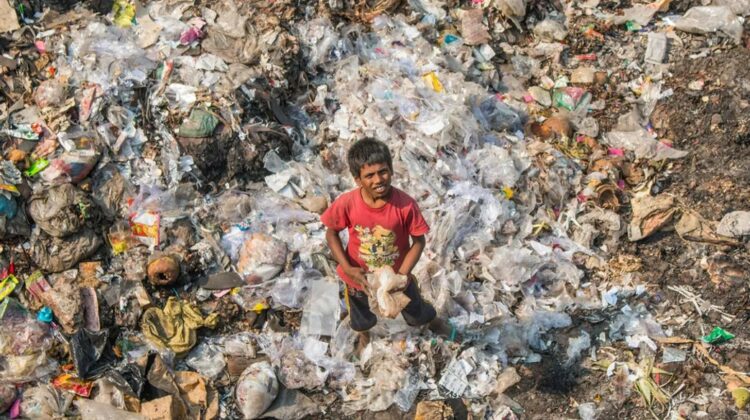
In a concerning revelation about Earth’s pollution crisis, scientists from Chalmers University of Technology in Sweden have unveiled a surprising phenomenon: microbes across the globe are developing an appetite for plastic. Published in the journal Microbial Ecology, the research indicates a surge in microbial enzymes capable of degrading plastic, directly linked to escalating levels of plastic pollution in various regions.

The study’s findings suggest a global evolution among microbial life to combat the pervasive issue of plastic pollution. As plastic waste continues to inundate our oceans and soil, the researchers discovered a significant increase in microbial enzymes capable of breaking down plastic. The abundance of these enzymes correlates with the severity of plastic pollution in different areas, underscoring the adaptability of microbial communities.
Jan Zrimec, the first author of the study, expressed surprise at the magnitude of the discovery, stating, “Currently, very little is known about these plastic-degrading enzymes, and we did not expect to find such a large number of them across so many different microbes and environmental habitats. This is a surprising discovery that really illustrates the scale of the issue.”

The research involved an analysis of microbial DNA from 236 locations globally, specifically targeting genes responsible for plastic-degrading enzymes. The scientists identified a staggering 30,000 enzymes, with 12,000 present in the ocean microbiome and 18,000 in the soil. These enzymes demonstrated the potential to degrade 10 different types of plastic.
Aleksej Zelezniak, the study’s author and Associate Professor in Systems Biology at Chalmers, emphasized the connection between the global microbiome’s plastic-degrading potential and environmental plastic pollution. The study provides compelling evidence of the environment’s response to the mounting pressure imposed by plastic waste.

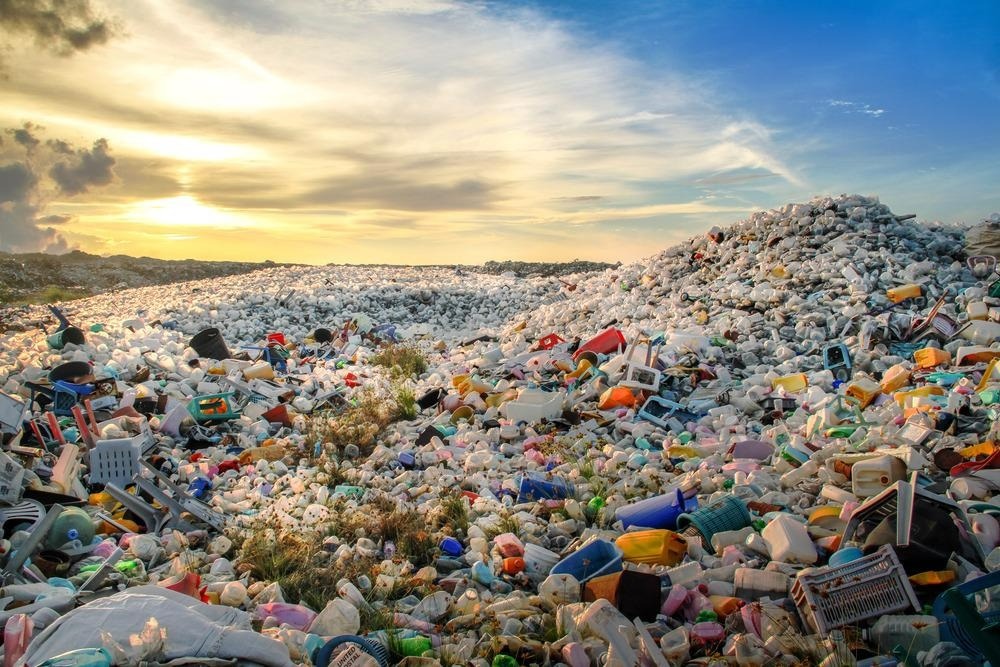
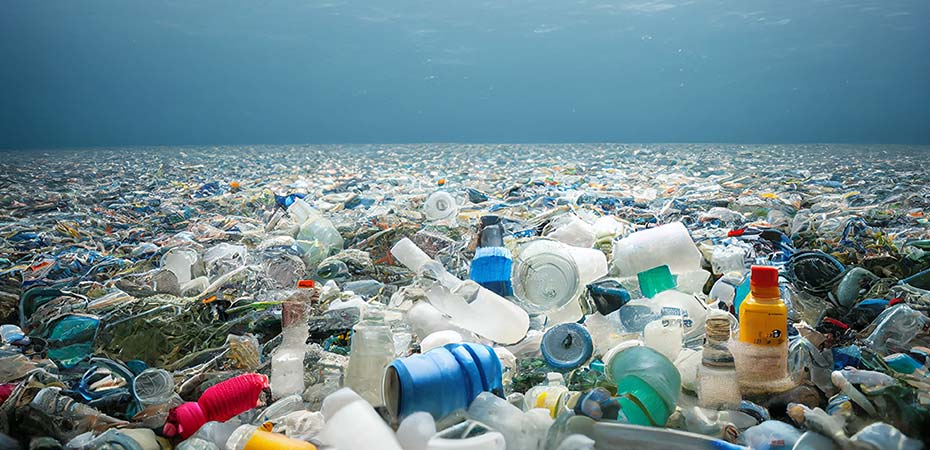
With approximately 8 million tons of plastic entering the oceans annually, the urgency to address plastic pollution has never been more critical. Plastic, known for its resilience, poses a significant challenge due to its slow degradation, lasting up to 200 years in some cases.
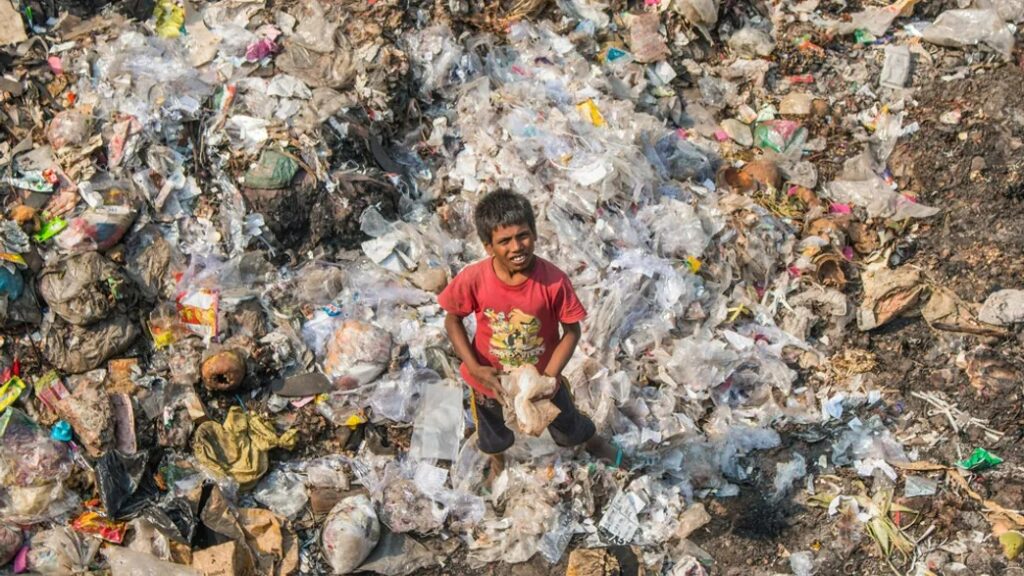
Around 8 million tons of plastic flood into the world’s oceans each year. Image credit: MD ZAKIR HOSSAIN SOHEL/Shutterstock.com

Despite the enormity of the problem, the researchers believe that their work could contribute to discovering and adapting enzymes for innovative recycling processes. Zelezniak suggested, “The next step would be to test the most promising enzyme candidates in the lab to closely investigate their properties and the rate of plastic degradation they can achieve. From there you could engineer microbial communities with targeted degrading functions for specific polymer types.”

As we grapple with the consequences of plastic pollution, the microbial world may emerge as an unexpected ally in the fight against this global environmental crisis.

Filed Under: Trends Worldwide Tagged With: around, eat:, evolving, Microbes, plastic, trends, world, worldwide

Reader Interactions

Comments

  1. Giles Highnam says

    November 14, 2023 at 11:09 am

    The Global Issue of Plastic Pollution is OUR problem, as Humans. We cannot rely on using or developing microbes to eat away the Results of our Shameful Habits !

    Reply

Leave a Reply Cancel reply

Your email address will not be published. Required fields are marked *

Primary Sidebar

More to See

A Vet Freed a Chained Wild Horse in Romania — Then Its Herd Gave Him an Unforgettable Thank You

By Hasan Jasim Editorial Team

Stunning Portraits Capture the Power and Beauty of Raptor Birds in Flight

By Hasan Jasim Editorial Team

A woman discovers a rare insect that is so lovely that no one believes it is genuine

By Hasan Jasim Editorial Team

Blind pit bull regain her eyesight and sees her beloved foster parents for the first time

By Hasan Jasim Editorial Team

The Eye of Sauron: A Real-Life Lava River in Iceland

By Hasan Jasim Editorial Team

Experts warn drivers to remove this item from vehicles

By Hasan Jasim Editorial Team

What Dinosaur Has 500 Teeth? Facts You Should Be Aware Of

By Hasan Jasim Editorial Team

Footer

ABOUT HASANJASIM.ONLINE

Hasanjasim.online is a digital platform dedicated to publishing well-researched articles about the animal kingdom, nature, and the environment. Our editorial team works to source stories from credible outlets, scientific research, and verified reports, aiming to inform as much as we entertain. From wildlife conservation and animal behavior to natural wonders and environmental science, we cover the topics that help readers better understand and appreciate the natural world. Whether you're a lifelong nature lover or simply curious about the planet we share, Hasanjasim.online aims to be a trustworthy destination for stories worth reading — and worth citing.

Recent

  • Euphorbia Hirta (“Asthma-Plant”): What Traditional Use and Real Research Actually Show
  • A Mystery Animal Has Been Randomly Attacking People in New Hampshire — Here’s What We Know
  • A Woman Was Filmed Sharing Her Ice Cream With Her Dog — Here’s What Vets Actually Say About It
  • Dolphin Calf Incident in Ceuta Sparks Outrage After Disturbing Beach Footage Emerges
  • Lactuca Serriola Root: Traditional Uses of Prickly Lettuce (Wild Lettuce) Root
  • The Puppy a Firefighter Couldn’t Leave Behind — and the Story Didn’t End There
  • A Mother Dog Dove Into Floodwater Again and Again — Until All 7 of Her Puppies Were Safe

Search