

A disturbing wildlife incident in Florida has reignited serious concerns about human–wildlife conflict and the growing pressures forcing wild animals into residential areas.
Residents of Brevard County were left in shock after a giant American crocodile was spotted swimming through a neighborhood canal — with a dog in its mouth. One witness described the scene as “just heartbreaking.”
According to the Florida Fish and Wildlife Conservation Commission (FWC), the crocodile was first reported on November 16 in a residential canal in South Patrick Shores, just north of Satellite Beach.
Local resident Zack Spurlock said he rushed to the area after receiving an alarming message from a friend who encountered the reptile while walking with a baby stroller.
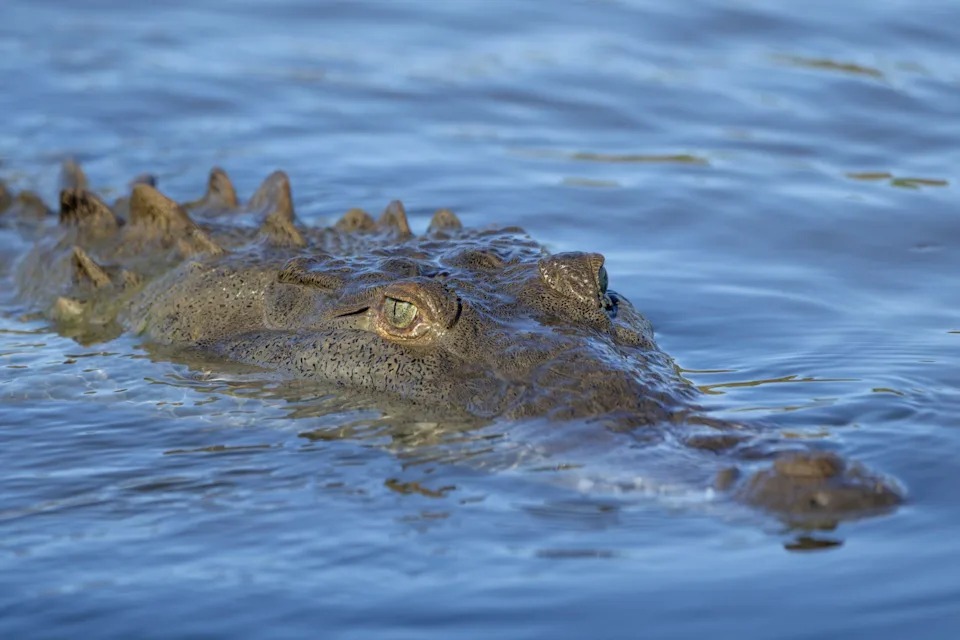
“About ten feet away was this 11-foot crocodile, swimming with what looked like a golden retriever in its mouth,” Spurlock said. “I’m a dog owner. My heart broke — that family’s worst fear had come true.”
FWC officers responded swiftly and later captured the crocodile. Officials confirmed it was the only documented American crocodile in that area since 2018. After assessing the risk to public safety and the animal itself, authorities placed the crocodile into permanent captivity.
Why These Encounters Are Increasing
Wildlife experts warn that encounters like this are becoming more common due to urban expansion, habitat loss, and environmental changes linked to climate pressures.
As wetlands shrink and natural ecosystems are disrupted, animals are pushed closer to human neighborhoods in search of food, shelter, or cooler environments. This increases the likelihood of dangerous encounters — especially involving pets near water.
Conservation specialists emphasize that habitat restoration, wetland protection, and improved water quality are among the most effective ways to reduce conflicts between people and wildlife.
What Residents Are Advised to Do
The FWC urges residents to:
- Keep pets leashed near canals and waterways
- Avoid swimming outside designated areas
- Never feed wild reptiles (which is illegal and dangerous)
- Maintain a safe distance from crocodiles and alligators
Florida residents with urgent concerns can contact the FWC Nuisance Alligator Hotline for immediate assistance.
This tragic incident serves as a stark reminder that protecting wildlife habitats is not only about conserving nature — it’s also about keeping communities and pets safe.
Incidents like this highlight the rising importance of wildlife management policies, habitat conservation, and public safety education in rapidly growing regions. Experts in environmental protection and wildlife conservation warn that unchecked urban development and climate-related ecosystem stress increase the risk of dangerous animal encounters. As awareness grows, many homeowners are investing in pet safety solutions, wildlife deterrent systems, environmental conservation programs, and community-based habitat restoration initiatives. Supporting conservation nonprofits and strengthening wetland protection laws are critical steps in reducing human–animal conflict and preserving biodiversity while safeguarding residential areas.
Leave a Reply