• Skip to main content
  • Skip to primary sidebar
  • Skip to footer
  • Home
  • About Us
  • Copyright Report
  • Submit Content
  • Terms
  • Privacy Policy
  • Legal Disclaimer

Hasan Jasim

Hasan Jasim is a place where you may get entertainment, viral videos, trending material, and breaking news. For a social generation, we are the largest community on the planet.

Oldest Ever Human Genetic Data Recovered From 2-Million-Year-Old Hominid Fossils

by Hasan Jasim Editorial Team Leave a Comment

ShareTweet

In a groundbreaking discovery, researchers have achieved the seemingly impossible – extracting genetic data from fossilized teeth dating back over two million years. These ancient teeth belonged to a long-extinct species of humans that once inhabited South Africa. The revelation marks a monumental milestone in paleoanthropology, offering invaluable insights into the human family tree.
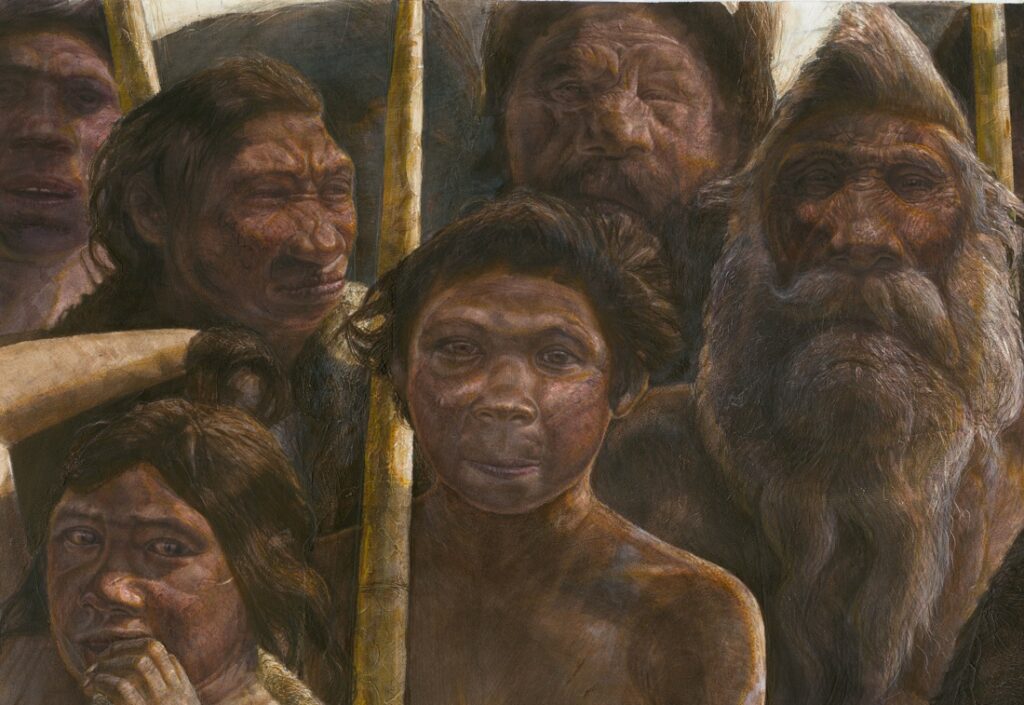
The remarkable findings come from an as-yet unpublished study, where scientists divulge their groundbreaking success in recovering genetic information from a species called Paranthropus robustus. This ancient DNA retrieval is unprecedented, as no African hominin material older than 18,000 years had previously yielded ancient DNA.

The teeth, found in the Swartkrans cave, have endured the test of time, surviving millions of years due to flash flooding and a process called “extensive cementation,” which preserved enamel proteins. By employing mass spectrometry, researchers were able to sequence hundreds of amino acids from each tooth, uncovering the secrets locked within the ancient remnants.

The revelation provides invaluable data about P. robustus’s evolutionary relationships with other hominids. The study authors explain that Paranthropus is part of the human family but resides as an outgroup – a distant cousin – to more closely related species, including Homo sapiens, Neanderthals, and Denisovans that emerged in Eurasia in more recent times.
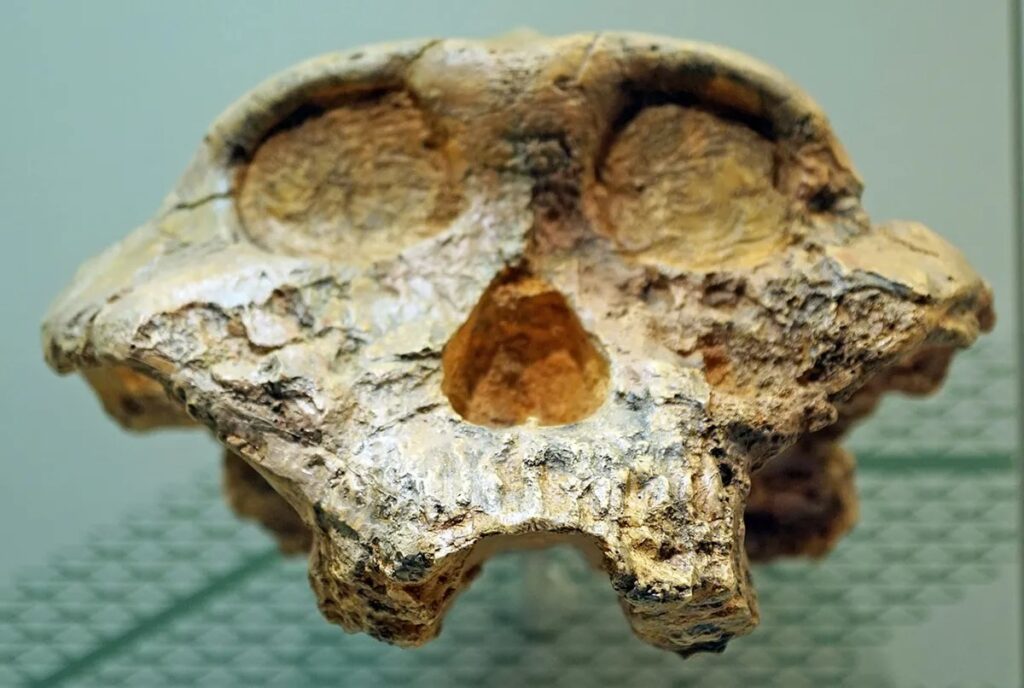
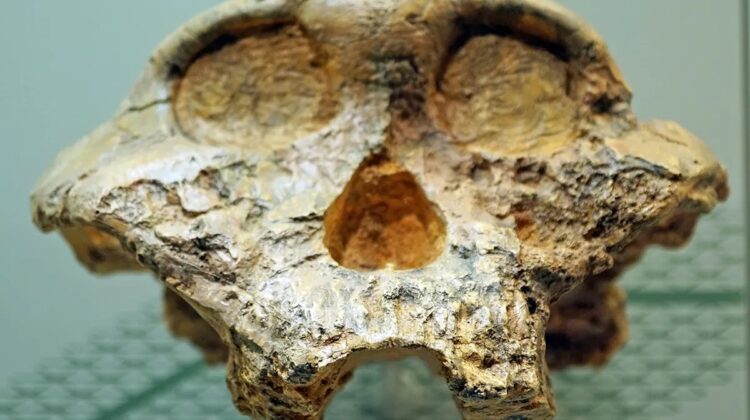
Paranthropus robustus lived in South Africa about two million years ago. Image credit: Tiia Monto via Wikimedia Commons (CC BY-SA 3.0)

Intriguingly, the analyses unveiled an anomaly among the quartet of African individuals. One specimen appeared more distantly related to the other three, leading researchers to speculate it might have belonged to a distinct Paranthropus group.

Additionally, the study made it possible to determine the sex of two specimens by identifying a protein encoded by a gene present only on the Y-chromosome. This remarkable revelation identified two of the individuals as males, even though one had been previously categorized as female based on bone size. Conversely, the remaining two individuals showed higher concentrations of the X-chromosome version of the protein, indicating they were female.

While these genetic revelations offer critical information about the ancient hominin’s owners, they do not provide all the answers. Placing P. robustus accurately within the human family tree remains a complex puzzle. Nonetheless, the researchers believe this breakthrough constitutes a potentially transformative achievement in paleoanthropology.
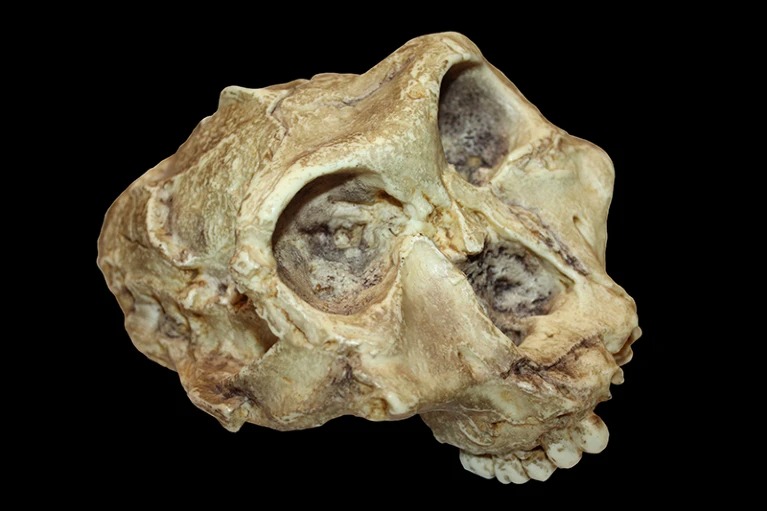
A Paranthropus robustus skull.Credit: Sabena Jane Blackbird/Alamy

The study, though not peer-reviewed, is accessible as a preprint on bioRxiv, tantalizing the scientific community with its groundbreaking implications for our understanding of ancient human history. This astounding feat of genetic recovery opens new doors to unraveling the mysteries of our evolutionary past and underscores the significance of preserving and exploring the rich tapestry of our shared human heritage.

Filed Under: Trends Worldwide Tagged With: 2-million-year-old, data, ever, Fossils, from, genetic, hominid, human, oldest, recovered, trends, worldwide

Reader Interactions

Leave a Reply Cancel reply

Your email address will not be published. Required fields are marked *

Primary Sidebar

More to See

At a Guatemalan Zoo, an Elephant Pleads For Assistance in Saving an Antelope From Drowning

By Hasan Jasim Editorial Team

A 180-Kilometer-Long Meadow Of Self-Cloning Seagrass Is The World’s Largest Plant

By Hasan Jasim Editorial Team

Autumn Leaves: A Symphony of Colors

By Hasan Jasim Editorial Team

The Rescue Dog Super Mom Adopts Six Orphaned Puppies And Now Feeds 17 Babies

By Hasan Jasim Editorial Team

The Truth Behind the Epic Photo of a Frog Swallowing a Snake

By Hasan Jasim Editorial Team

The Adorable and Expressive Irrawaddy Dolphin

By Hasan Jasim Editorial Team

Why the Hoba Meteorite Left No Impact Crater Despite Being Earth’s Biggest Space Rock and Chunk of Iron

By Hasan Jasim Editorial Team

Footer

ABOUT HASANJASIM.ONLINE

Hasanjasim.online is a digital platform dedicated to publishing well-researched articles about the animal kingdom, nature, and the environment. Our editorial team works to source stories from credible outlets, scientific research, and verified reports, aiming to inform as much as we entertain. From wildlife conservation and animal behavior to natural wonders and environmental science, we cover the topics that help readers better understand and appreciate the natural world. Whether you're a lifelong nature lover or simply curious about the planet we share, Hasanjasim.online aims to be a trustworthy destination for stories worth reading — and worth citing.

Recent

  • Euphorbia Hirta (“Asthma-Plant”): What Traditional Use and Real Research Actually Show
  • A Mystery Animal Has Been Randomly Attacking People in New Hampshire — Here’s What We Know
  • A Woman Was Filmed Sharing Her Ice Cream With Her Dog — Here’s What Vets Actually Say About It
  • Dolphin Calf Incident in Ceuta Sparks Outrage After Disturbing Beach Footage Emerges
  • Lactuca Serriola Root: Traditional Uses of Prickly Lettuce (Wild Lettuce) Root
  • The Puppy a Firefighter Couldn’t Leave Behind — and the Story Didn’t End There
  • A Mother Dog Dove Into Floodwater Again and Again — Until All 7 of Her Puppies Were Safe

Search