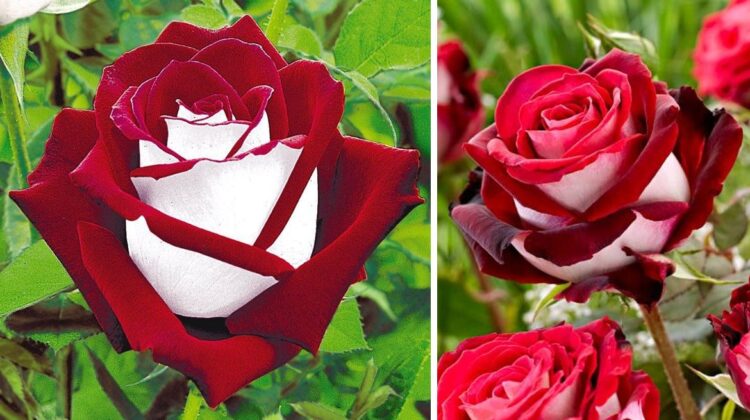
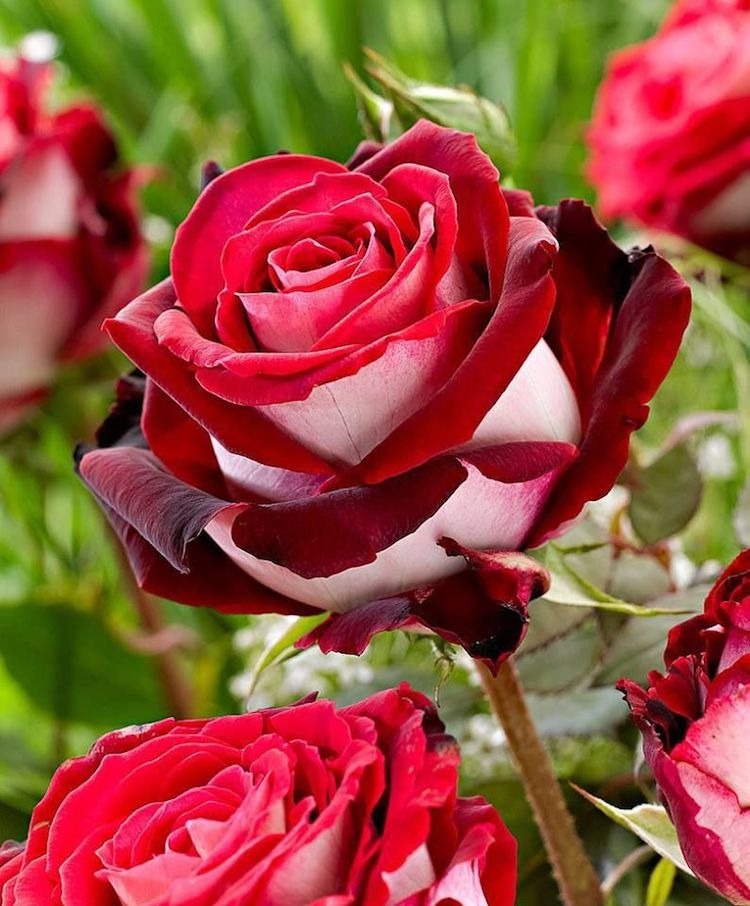
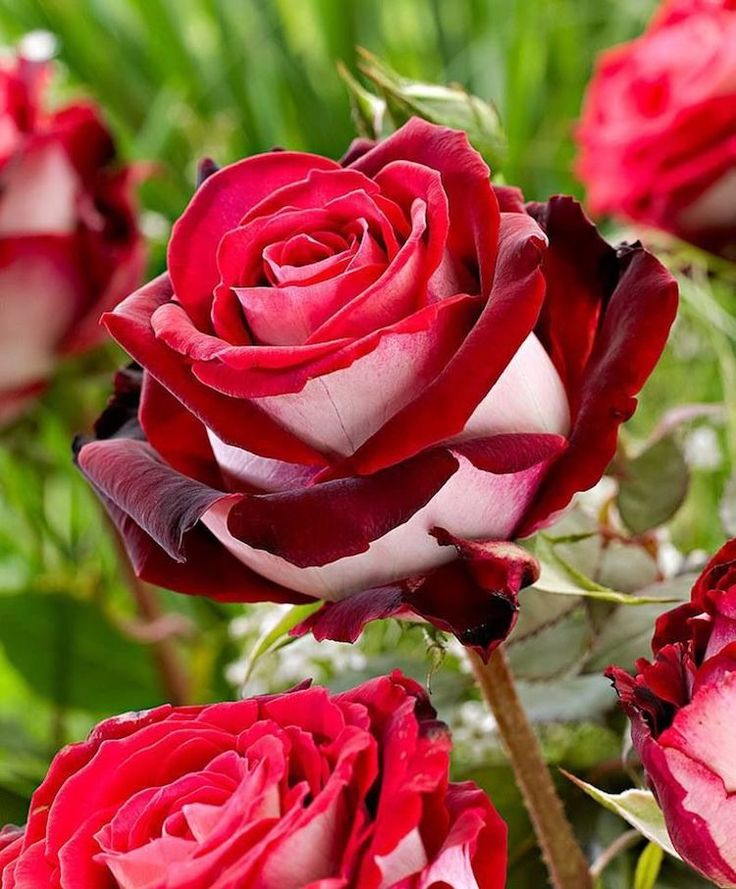
Few flowers have caused as much online debate as the Osiria rose. With petals that are deep red on the inside and pure white on the outside, it looks almost too perfect to be real — and that “too good to be true” quality is exactly why photos of it have gone viral again and again, sparking arguments in comment sections about whether it’s real, fake, or Photoshopped.
Here’s the full story: where the Osiria rose actually came from, why the internet photos are misleading, how to grow one successfully, and a few easier alternatives if you want the same look with less hassle.
Where the Osiria Rose Actually Comes From
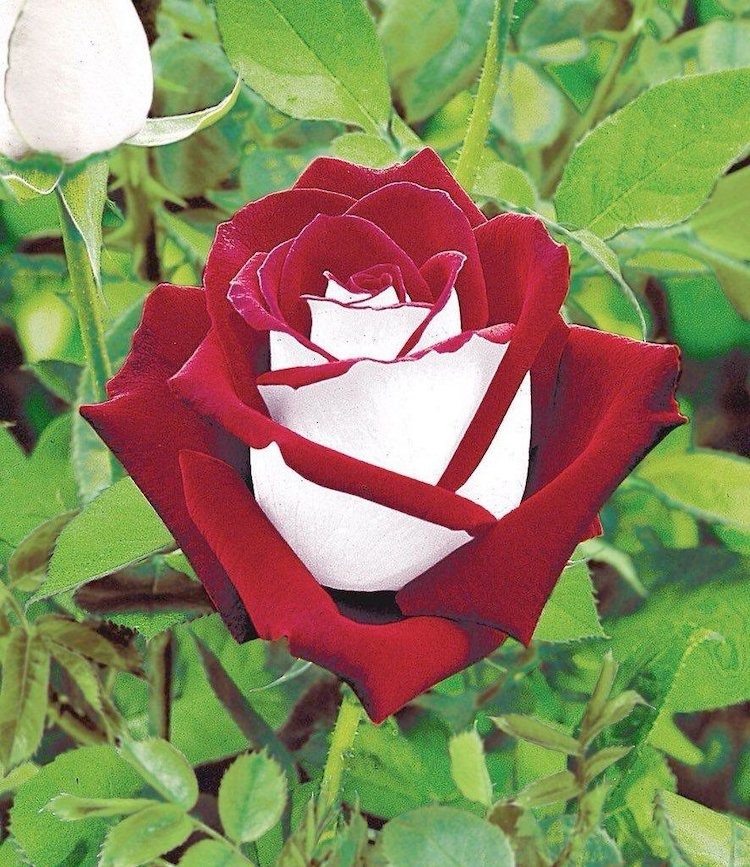
The Osiria rose isn’t an internet invention — it’s a real hybrid tea rose bred by German rose breeder Reimer Kordes in 1978, working for the well-known Kordes Roses nursery. It was later introduced commercially in France by Willemse France, which is where the name “Osiria” comes from. Some gardeners connect the name to Osiris, the Egyptian god of the afterlife, given the rose’s blood-red-and-white coloring; others say it references a mythical sunken island. Either way, the name has stuck for nearly five decades.
Botanically, it’s a hybrid tea rose, created by crossing hybrid perpetual roses with tea roses — a lineage that also gives it its strong, sweet fragrance. It’s sometimes labeled by growers as the “Korsir rose,” a nod to Kordes.
So Are the Viral Photos Fake?
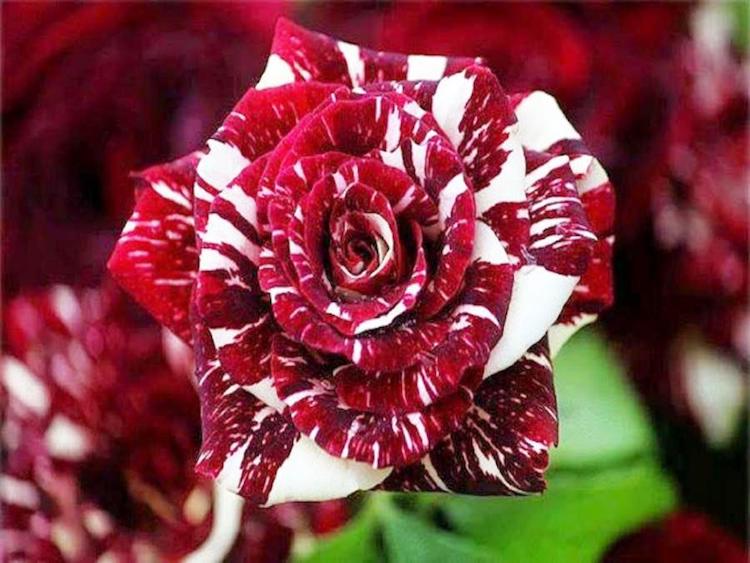
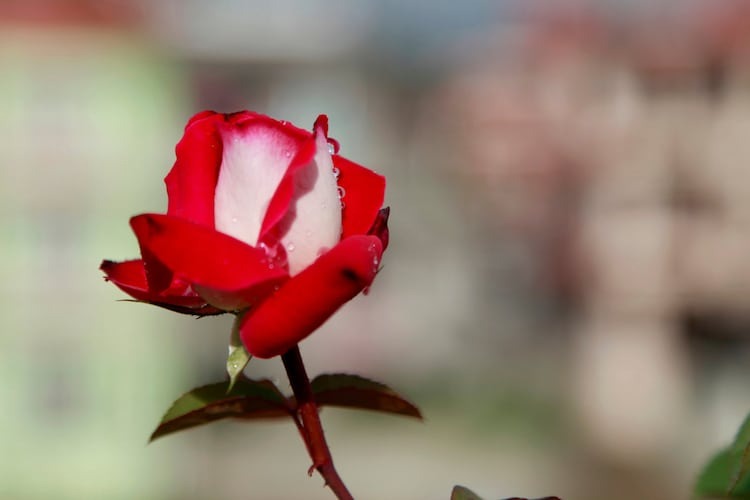
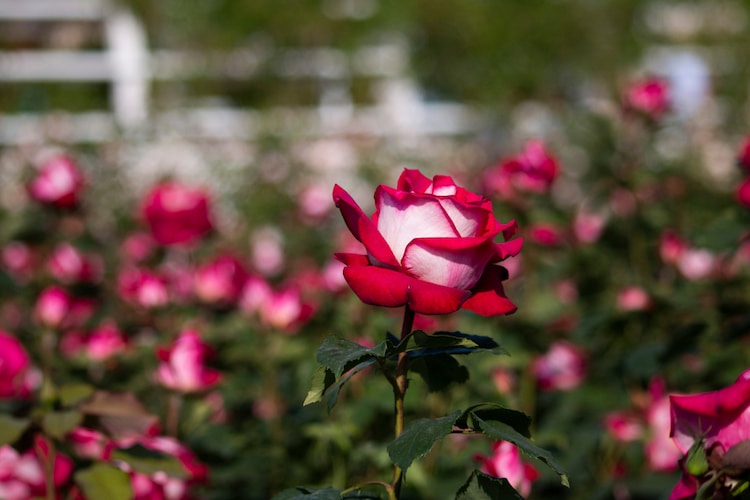
Not entirely — but they’re enhanced. Real Osiria roses do have red-and-white two-tone petals, but the color contrast in real life is softer than in the widely shared viral photos. In person, the red tends to be closer to a fire-engine or cherry red rather than a deep velvety crimson, and the white reverse is more silvery than snow-white. Many of the most-shared images online have had their saturation and contrast pushed up, which is why so many buyers feel disappointed when the real flower arrives looking a shade less dramatic.
That disappointment has become part of the plant’s reputation: search “Osiria rose” online and you’ll find as many posts about the color exaggeration as posts about the rose itself.
Why the Osiria Rose Is Hard to Find (and Grow)
There are a few real reasons this rose isn’t sitting in every garden center:
- Limited availability. It’s not a mass-market variety, so many nurseries simply don’t stock it, and online seed listings are notoriously unreliable — buyers frequently report poor or no germination.
- Slow growth. Osiria is a slow starter and can take several years to reach its full mature size of roughly 3 to 5 feet tall.
- Disease sensitivity. Like many hybrid tea roses, it’s vulnerable to powdery mildew and common rose pests, so it needs more consistent care than a low-maintenance shrub rose.
- Climate requirements. It performs best in USDA zones 7b and warmer, with full sun and well-draining soil.
The payoff for the extra effort is a rose that blooms in flushes from early summer through autumn, with a fragrance many growers describe as one of the strongest among hybrid teas.
How to Grow an Osiria Rose Successfully
If you want to try growing one, a few care basics make a real difference:
- Light: Full sun to partial sun — at least 6 hours of direct light daily.
- Soil: Well-drained, slightly acidic soil enriched with organic matter.
- Watering: Deep, consistent watering at the base rather than overhead, which helps prevent powdery mildew.
- Feeding: A balanced rose fertilizer during the growing season supports the long bloom cycle.
- Pruning: Regular deadheading encourages repeat blooming through the fall.
- Pest and disease watch: Inspect regularly for aphids and mildew, and treat early — hybrid teas recover faster from small problems than established infections.
Buying an established potted plant from a reputable rose specialist, rather than seeds, greatly improves your odds of success.
Easier Alternatives With a Similar Look
If Osiria proves too finicky, a few other varieties offer that same red-and-white contrast with a bit less effort:
- Nostalgie rose — creamy white petals edged in cherry red, bred for stronger disease resistance.
- Gemini rose — a coral-pink and cream hybrid tea popular in the cut-flower trade, easier to source commercially.
- Double Delight — another two-tone hybrid tea, with creamy petals blushed in red, known for being more forgiving for home gardeners.
Any of these can deliver a similar romantic, two-tone effect in a bouquet or garden bed without the same level of maintenance.
The Bottom Line
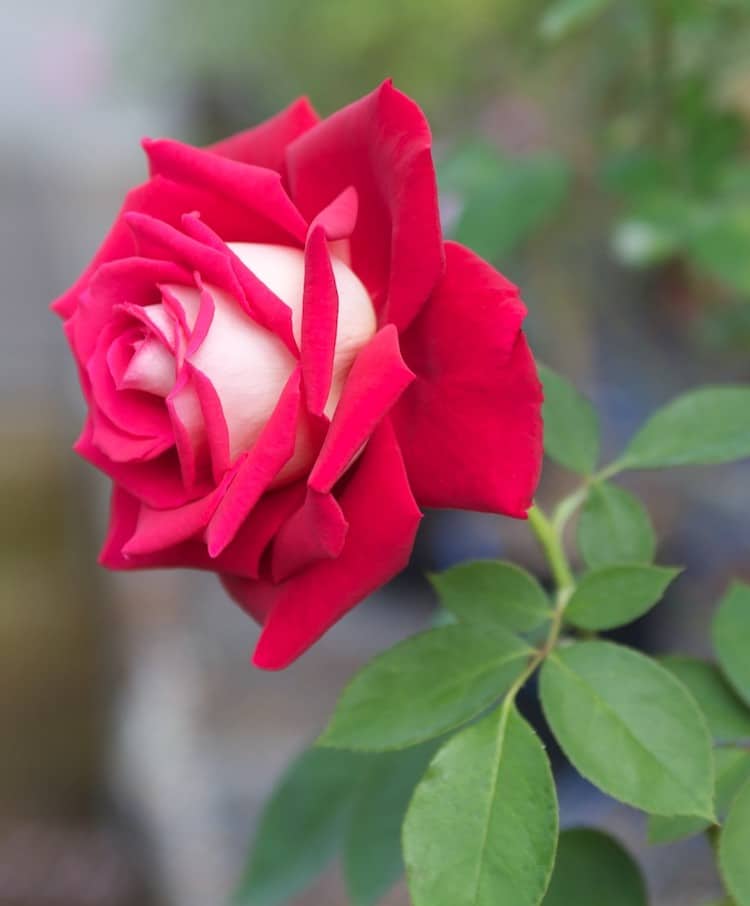
The Osiria rose is real, it’s genuinely beautiful, and it does have red-and-white petals — the internet just tends to show you a more dramatic version of it than you’ll get in your own garden. If you’re up for the challenge of a slow-growing, disease-prone hybrid tea, it can reward you with one of the most photogenic roses you can grow. If not, Nostalgie or Gemini roses offer a similar romantic look with far less fuss.
Leave a Reply