
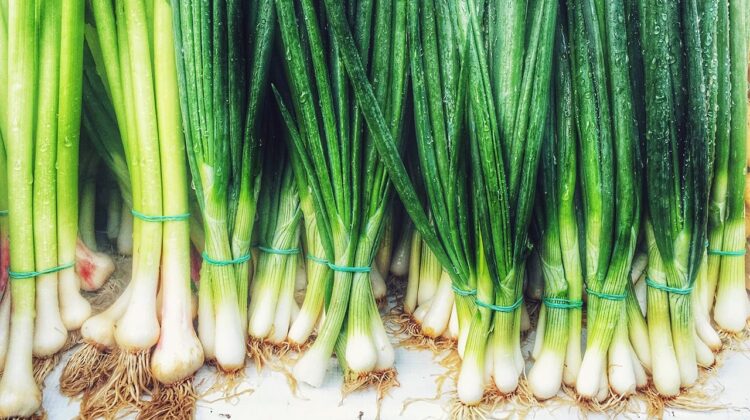
Scallions, commonly known as green onions, are among the most widely used vegetables in kitchens around the world. Often treated as a simple garnish or flavor booster, they’re easy to underestimate. Yet behind their mild taste and unassuming appearance lies a surprisingly rich nutritional profile that offers real health advantages.
While they may not carry the hype of trendy superfoods, scallions quietly deliver benefits that support overall wellness—making them far more valuable than most people realize.
Nutritional Profile of Scallions
Scallions are low in calories but packed with essential nutrients and plant-based compounds. They provide meaningful amounts of vitamin C, vitamin A, and vitamin K, along with smaller quantities of folate and potassium.
They also contain sulfur-based compounds, similar to those found in garlic and onions, which are largely responsible for their protective health effects.
Because scallions are high in water and fiber, they are easy to digest and can be safely included in most daily eating patterns without placing stress on the digestive system.
Supporting Immune Health
One of the most important benefits of scallions is their role in immune support. Vitamin C helps strengthen immune defenses by enhancing white blood cell function and reducing oxidative stress in the body.

Regular consumption may help the body respond more efficiently to common infections, especially during seasonal transitions. This aligns with traditional dietary practices, where scallions are often added to warm soups or porridges during periods of fatigue or recovery—an approach now supported by modern nutritional science.
Aiding Digestion and Gut Health
Scallions contain natural compounds that stimulate digestive enzymes, allowing the stomach to break down food more efficiently. Their fiber content supports gut health by promoting regular bowel movements and maintaining a healthy balance of intestinal bacteria.
For individuals who experience mild bloating or slow digestion, small amounts of cooked scallions can improve digestive comfort without irritating the stomach.
Heart Health Benefits
The sulfur compounds found in scallions have been associated with improved blood circulation and healthier cholesterol levels, particularly lower LDL (“bad”) cholesterol when consumed as part of a balanced diet.
In addition, vitamin K plays a crucial role in proper blood clotting and may help maintain arterial health—an important factor as people age and cardiovascular risks increase.
Potential Anti-Inflammatory Effects
Scallions contain antioxidants such as flavonoids, which help reduce inflammation at the cellular level. Chronic inflammation is linked to many long-term health conditions, including heart disease and arthritis.

While scallions alone are not a cure, they can meaningfully contribute to an anti-inflammatory diet when combined with other vegetables, fruits, and whole foods.
Raw vs. Cooked Scallions
Both raw and cooked scallions offer health benefits, though their effects can differ slightly. Raw scallions retain higher levels of vitamin C, while cooked scallions are gentler on the digestive system and often easier for people with sensitive stomachs to tolerate.
For most individuals, combining both forms works best—using raw scallions as a garnish and cooked scallions in soups, stir-fries, omelets, or warm dishes.
Who Should Be Cautious?
Scallions are generally safe, but people with severe acid reflux, stomach ulcers, or a known sensitivity to onions may need to limit raw scallion intake. Cooking them usually reduces their sharpness and potential irritation.
As with any food, moderation remains essential.
Final Thoughts
Scallions may seem like a minor ingredient, but their nutritional value and wide-ranging health benefits make them a smart addition to everyday meals. From immune support and digestive health to cardiovascular protection, they offer practical, natural advantages without added cost or complexity.
Improving health doesn’t always require rare or expensive superfoods—sometimes it simply means paying closer attention to what’s already sitting in your kitchen.
Leave a Reply