
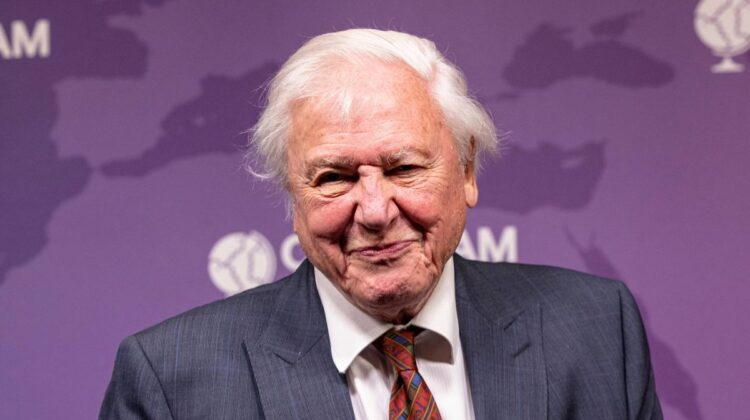
Sir David Attenborough, the beloved voice of the natural world, has delivered a powerful and emotional reflection on life, death, and the fragile state of our planet’s oceans. As he approaches his 99th birthday on May 9, the legendary broadcaster and natural historian has made a devastating confession: “The end is near.”
In his latest and perhaps most personal documentary to date, Ocean with David Attenborough, the iconic presenter opens up about his own mortality while sounding a final call to action to save the oceans he has spent his life exploring and defending.
“When I first saw the sea as a young boy, it was thought of as a vast wilderness to be tamed and mastered for the benefit of humanity. Now, as I approach the end of my life, we know the opposite is true,” he says in the film. “After living for nearly a hundred years on this planet, I now understand that the most important place on Earth is not on land, but at sea.”
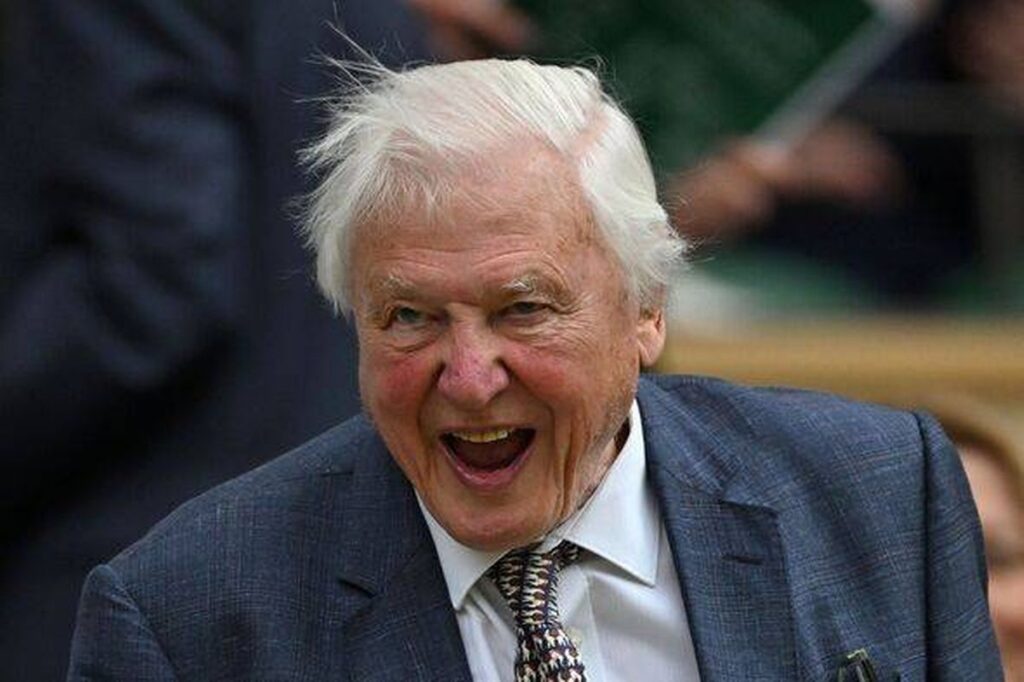
Having captivated audiences for over 70 years with his extraordinary storytelling, Sir David now turns the lens inward. His latest message is not just a call to conservation, but a deeply personal reckoning with time, legacy, and the urgent need for humanity to act.
In a poignant moment, he admits: “Today, it [the ocean] is in such poor health I would find it hard not to lose hope were it not for the most remarkable discovery of all.”
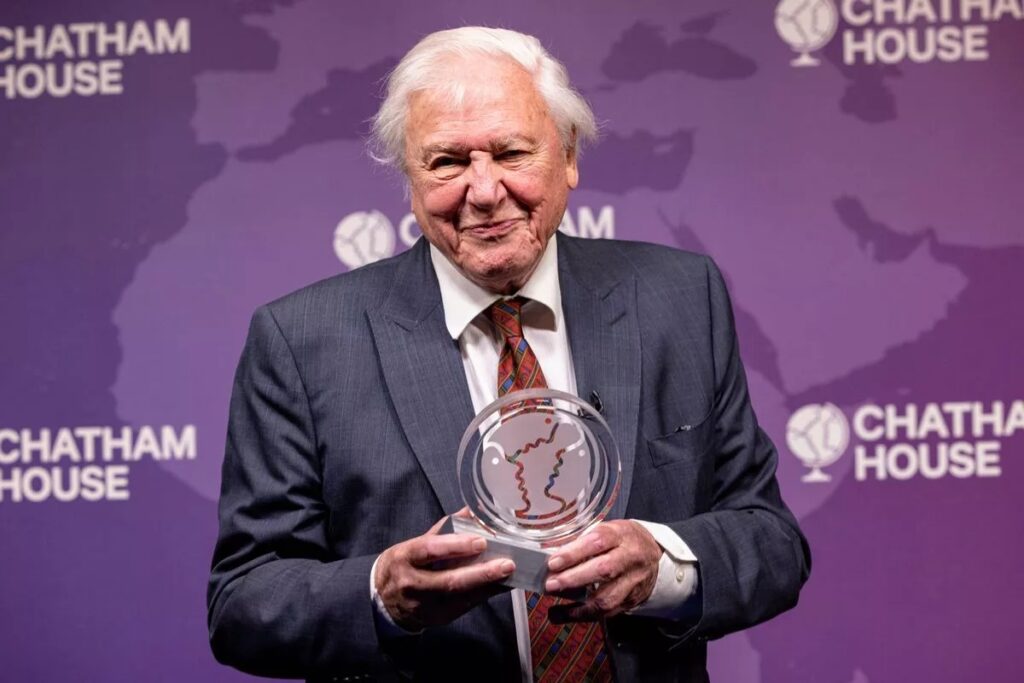
Despite the gravity of his words, Attenborough still clings to hope. He believes the ocean’s wounds can heal—if we act now. “If we save the sea, we save our world. After a lifetime of filming our planet, I’m sure nothing is more important.”
The documentary features rare archival footage, including scenes from 1957 when Sir David first dived into the Great Barrier Reef, capturing the awe that would go on to inspire generations. He emphasizes the critical importance of marine sanctuaries where fishing is banned, asserting that protecting these spaces can restore balance to the world’s ecosystems.

At 98, Attenborough acknowledges the challenges of aging—recalling how, in recent years, even naming a plant has occasionally escaped him. But his voice, purpose, and clarity remain unwavering. In his own words: “The world would be in a far, far worse situation now had there been no broadcasting of natural history.”
His legacy, built on decades of captivating storytelling and environmental advocacy, continues to inspire. As Sir David Attenborough confronts his own horizon, he leaves us with a message as vast and enduring as the ocean itself: Time is short, but hope still floats—if we choose to act.
Leave a Reply