• Skip to main content
  • Skip to primary sidebar
  • Skip to footer
  • Home
  • About Us
  • Copyright Report
  • Submit Content
  • Terms
  • Privacy Policy
  • Legal Disclaimer

Hasan Jasim

Hasan Jasim is a place where you may get entertainment, viral videos, trending material, and breaking news. For a social generation, we are the largest community on the planet.

Unveiling the Ancient Secrets of Beauty: A Deep Dive into Neolithic Venus Figurines and Body Positivity

by Hasan Jasim Editorial Team Leave a Comment

ShareTweet

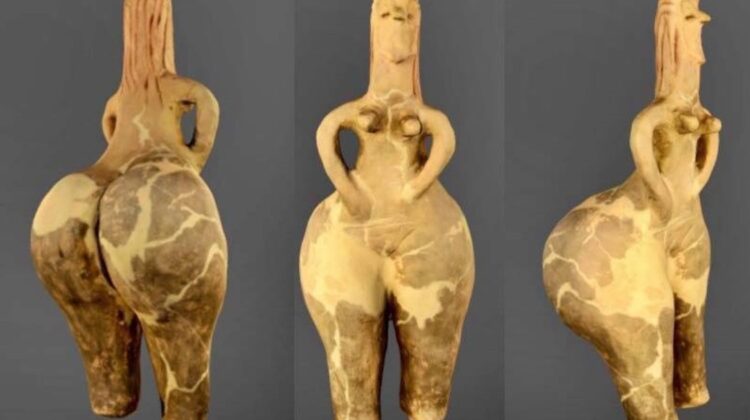
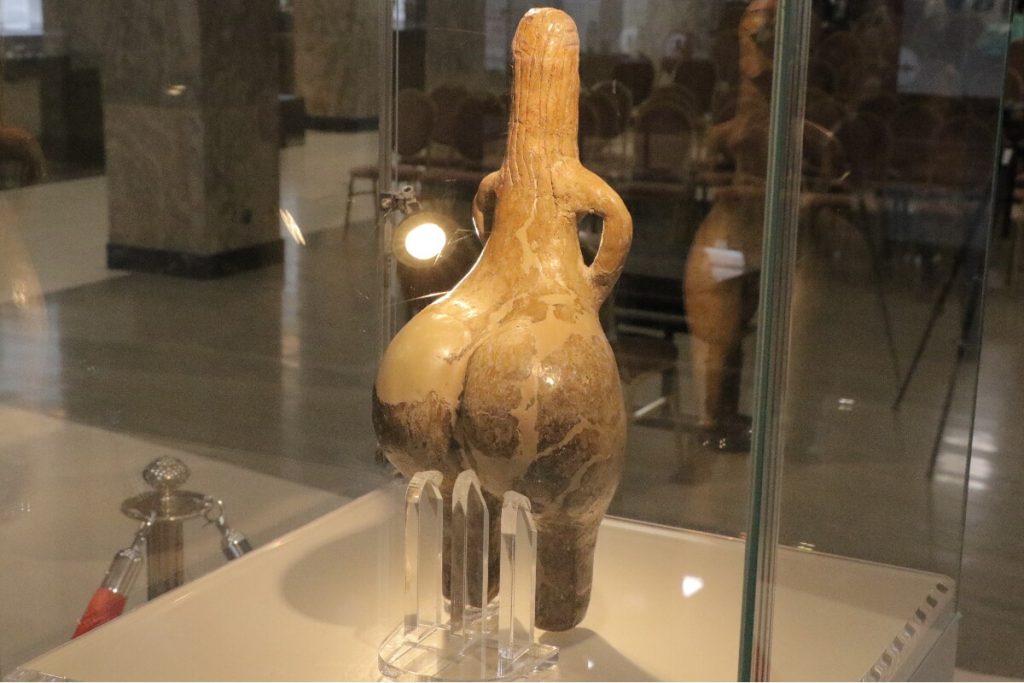
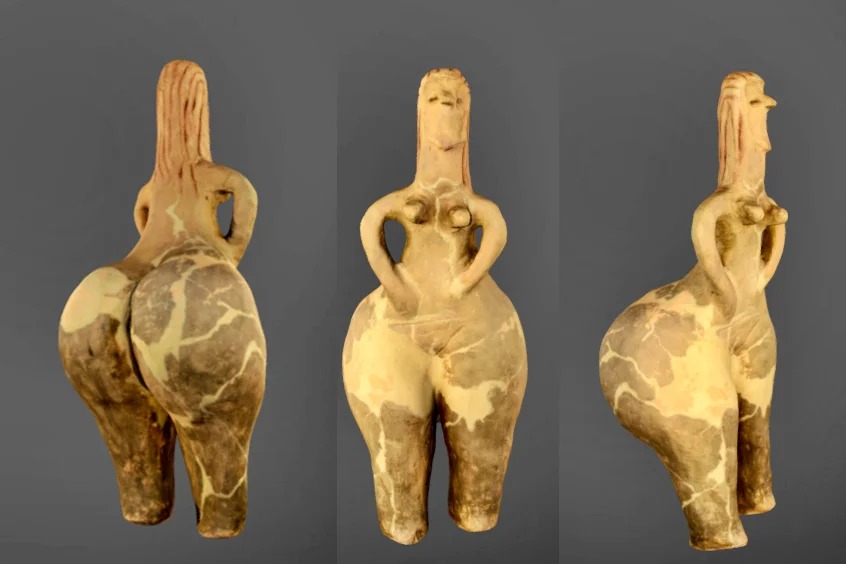
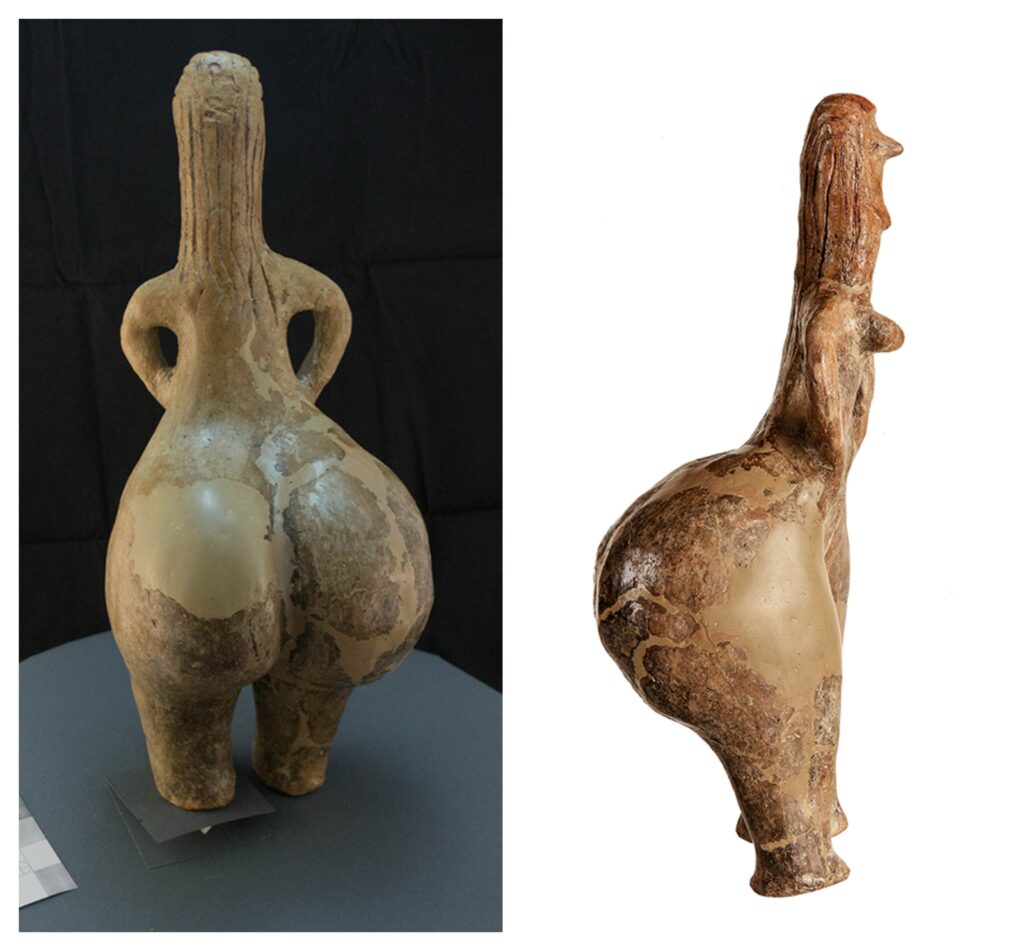
The Neolithic Venus figurines, iconic representations of early human culture, have captivated scholars and enthusiasts for centuries. Among these enigmatic artifacts, the “Red hair goddess” from the Starčevo culture stands out with her exaggerated physical features, particularly her large breasts and buttocks. This article delves into the significance of these figurines, exploring their cultural context, the concept of body positivity, and the importance of embracing diversity.

The Neolithic Venus Figurines: A Symbol of Fertility and Worship

Created between 8,000 and 30,000 years ago, the Neolithic Venus figurines are believed to have served as objects of veneration or worship. Their exaggerated physical features, often including large breasts and buttocks, are thought to symbolize fertility and abundance. The “Red hair goddess,” with her prominent buttocks, is a prime example of this trend.
Beyond Physical Appearances: Cultural Evolution and Body Positivity

While the “Red hair goddess” and other Neolithic Venus figurines may have been seen as representations of ideal beauty standards in their time, it is crucial to recognize that cultural perceptions of beauty have evolved significantly. Projecting modern ideals onto ancient artifacts can be misleading and counterproductive.
Instead, these figurines can serve as a valuable reminder of the diversity of body types and shapes that have been considered attractive or desirable throughout history. The concept of body positivity, which promotes self-love and acceptance regardless of one’s physical appearance, aligns with this understanding.

Embracing Diversity and Challenging Beauty Standards

Body positivity is a movement that challenges narrow beauty standards and encourages individuals to embrace their unique bodies. By celebrating diversity and rejecting harmful stereotypes, we can foster a more inclusive and accepting society. The Neolithic Venus figurines, with their exaggerated features, can serve as a catalyst for reflection and a reminder that beauty comes in many forms.
The Neolithic Venus figurines, including the “Red hair goddess,” offer a fascinating glimpse into ancient cultures and their understanding of beauty. While these artifacts may have been created to represent fertility and abundance, they also highlight the diversity of body types and shapes that have been considered desirable throughout history. By embracing body positivity and challenging narrow beauty standards, we can create a more inclusive and accepting world.

Filed Under: Trends Worldwide Tagged With: Ancient Artifacts, body positivity, Cultural Significance, Diversity in Beauty, Fertility Symbols, Neolithic Venus figurines, Red Hair Goddess, Starčevo culture

Reader Interactions

Leave a Reply Cancel reply

Your email address will not be published. Required fields are marked *

Primary Sidebar

More to See

When a woman sees a frog just hanging around, she realizes he’s more stuck than he appears to be

By Hasan Jasim Editorial Team

Emotional support dog went missing in vehicle theft — now she’s finally home

By Hasan Jasim Editorial Team

Guy Hears His Cats Making Trouble, But it’s Actually Someone Else

By Hasan Jasim Editorial Team

How Impressive Were Ancient Engineering Methods

By Hasan Jasim Editorial Team

Nobody Knows Who Left These Mysterious Lines On This Peru Shore – But They May Have Had an Interesting Purpose

By Hasan Jasim Editorial Team

In Siberia’s Melting Permafrost, a remarkably well-preserved Woolly Rhino is discovered

By Hasan Jasim Editorial Team

Psychological test: Which of these four babies is a little girl?

By Hasan Jasim Editorial Team

Footer

ABOUT HASANJASIM.ONLINE

Hasanjasim.online is a digital platform dedicated to publishing well-researched articles about the animal kingdom, nature, and the environment. Our editorial team works to source stories from credible outlets, scientific research, and verified reports, aiming to inform as much as we entertain. From wildlife conservation and animal behavior to natural wonders and environmental science, we cover the topics that help readers better understand and appreciate the natural world. Whether you're a lifelong nature lover or simply curious about the planet we share, Hasanjasim.online aims to be a trustworthy destination for stories worth reading — and worth citing.

Recent

  • Seven Circus Tigers Rescued in Guatemala After Years Held on Trailers
  • The polar vortex is weakening unusually early. Here’s what that could mean for the weather
  • Permafrost Is Thawing From the Inside Out—and It’s Unleashing an Entirely New Kind of Landslide
  • Why Tilapia Is Sparking Serious Health Warnings: Nutritional Facts, Dioxin Risks, and Smarter Seafood Alternatives
  • Archaeologists Found 120,000-Year-Old Human Footprints Where They Shouldn’t Be
  • Striking Photos Reveal the Legacy of Yellowstone’s Wolves—30 Years After Their Return
  • Some Evidence Suggests Amelia Earhart Was Eaten by Crabs. The Twist: She Could Have Eaten Them to Survive.

Search