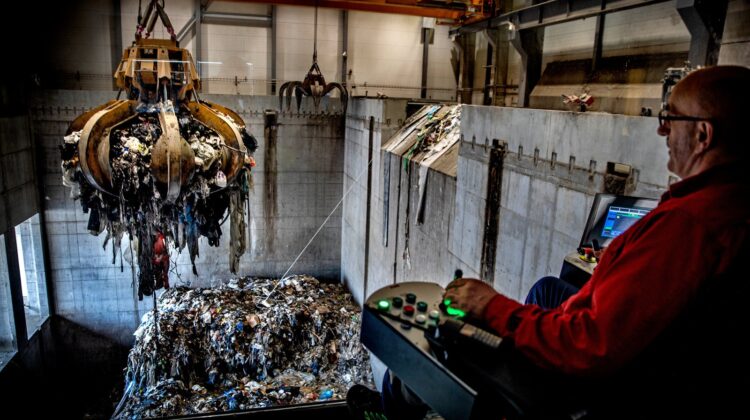
Sweden has achieved something most countries are still struggling to reach: a waste system so efficient that it barely produces landfill at all. In fact, less than 1% of household waste in Sweden ends up in landfills, making it one of the most advanced waste management models in the world.
Instead of burying rubbish, Sweden has built a nationwide system that sorts, recycles, composts, and converts waste into energy. Through a network of highly efficient waste-to-energy plants, non-recyclable materials are burned under controlled conditions to generate electricity and heating for homes. Entire communities rely on this system, especially during the long, cold winters.
When efficiency creates a new problem
The system works so well that Sweden now faces an unusual challenge: it does not produce enough waste to keep its own facilities running at full capacity.
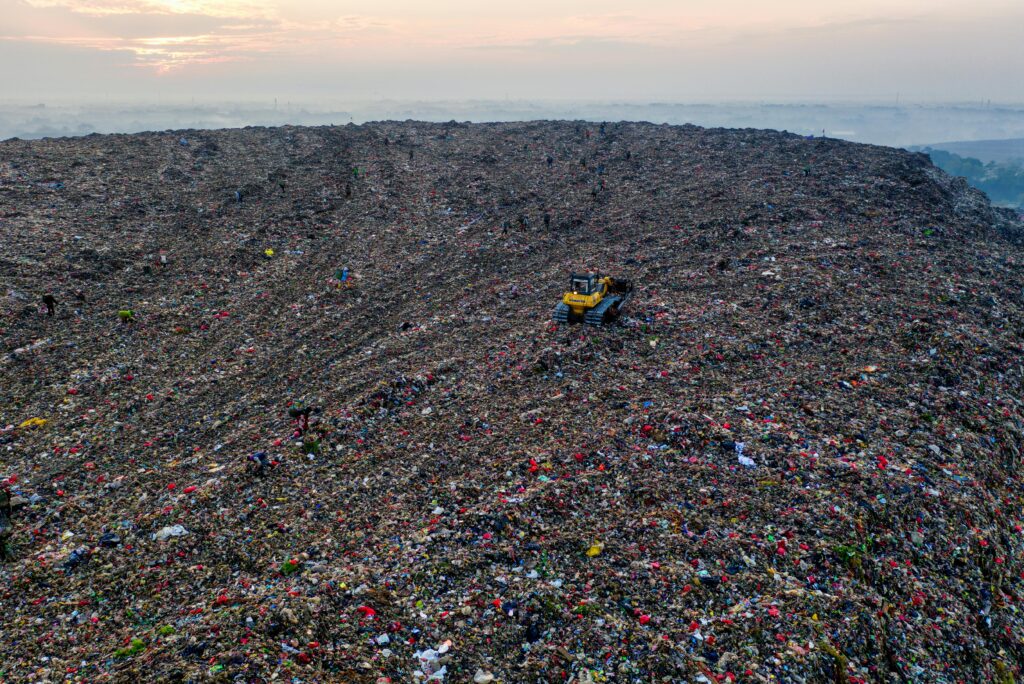
To solve this, Sweden imports waste from other European countries. These countries, often struggling with landfill overflow, actually pay Sweden to take their garbage. Instead of sitting in landfills and releasing harmful emissions, the waste is converted into usable energy.
This model creates a unique balance—reducing environmental impact while also supporting energy production. It transforms what was once considered useless into something valuable.
A model built on precision and public cooperation
Sweden’s success is not just about technology. It is built on strict environmental policies, efficient infrastructure, and strong public participation. Households are required to separate waste into multiple categories, ensuring that recyclable and organic materials are properly processed.
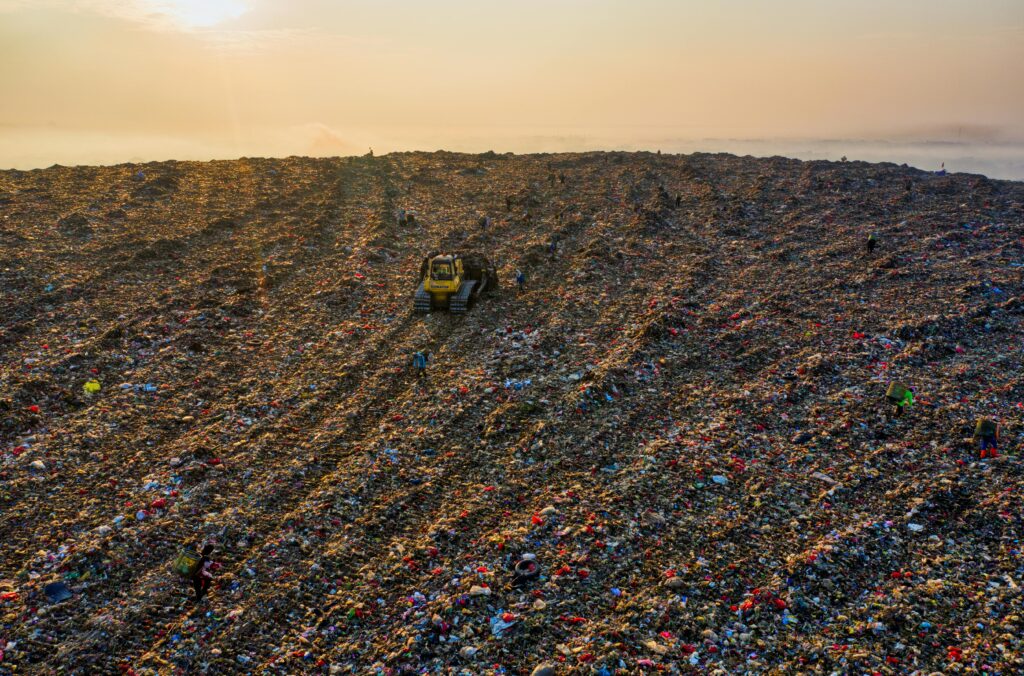
Advanced filtration systems in waste-to-energy plants also minimise harmful emissions, making the process significantly cleaner than traditional incineration methods.
A global example with limits
While Sweden’s system is widely admired, experts note that it is not a complete solution on its own. Waste-to-energy still produces emissions, and the ultimate goal remains reducing waste generation altogether.
However, Sweden’s approach demonstrates how innovation, policy, and public behaviour can combine to dramatically reduce landfill use—and even turn waste into a resource.
As global waste levels continue to rise, Sweden’s model highlights a critical shift in thinking: waste is no longer just a problem to manage, but a resource to optimise. By investing in circular economy solutions, energy recovery systems, and sustainable infrastructure, countries can reduce environmental damage while creating new economic value. The challenge now is not just to copy the model—but to improve it, scaling smarter systems that prioritise both efficiency and long-term sustainability.
Leave a Reply