
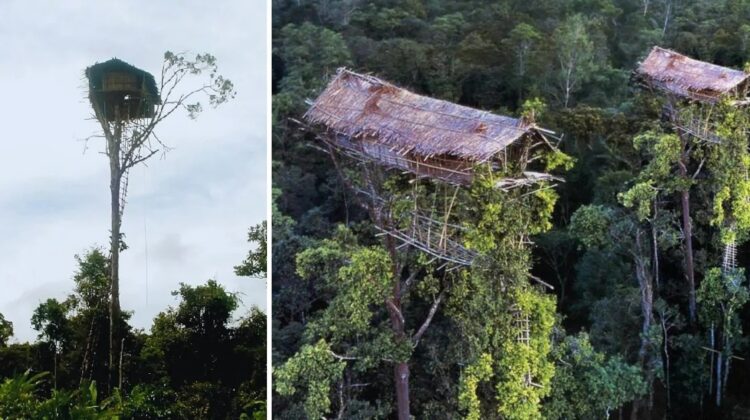
Living above the world.
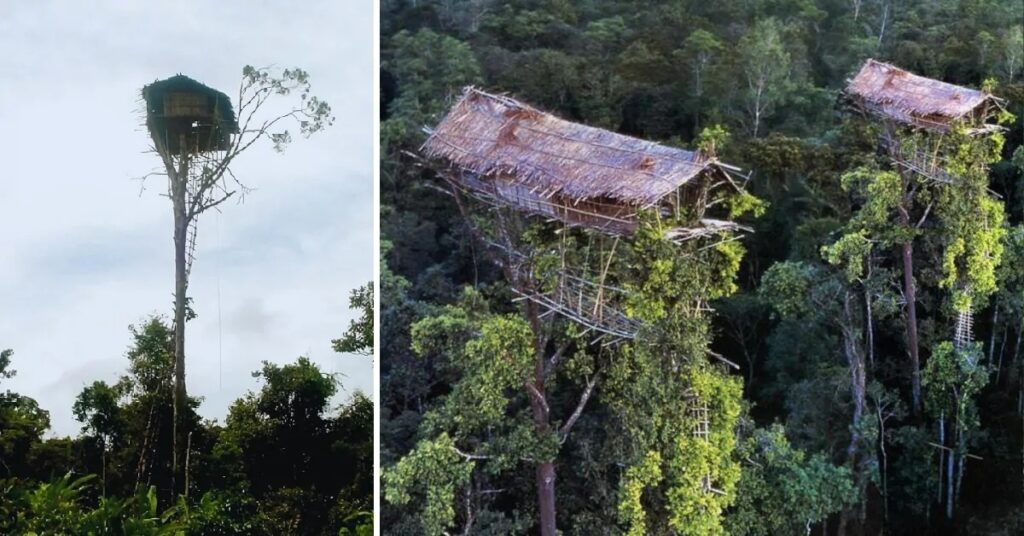
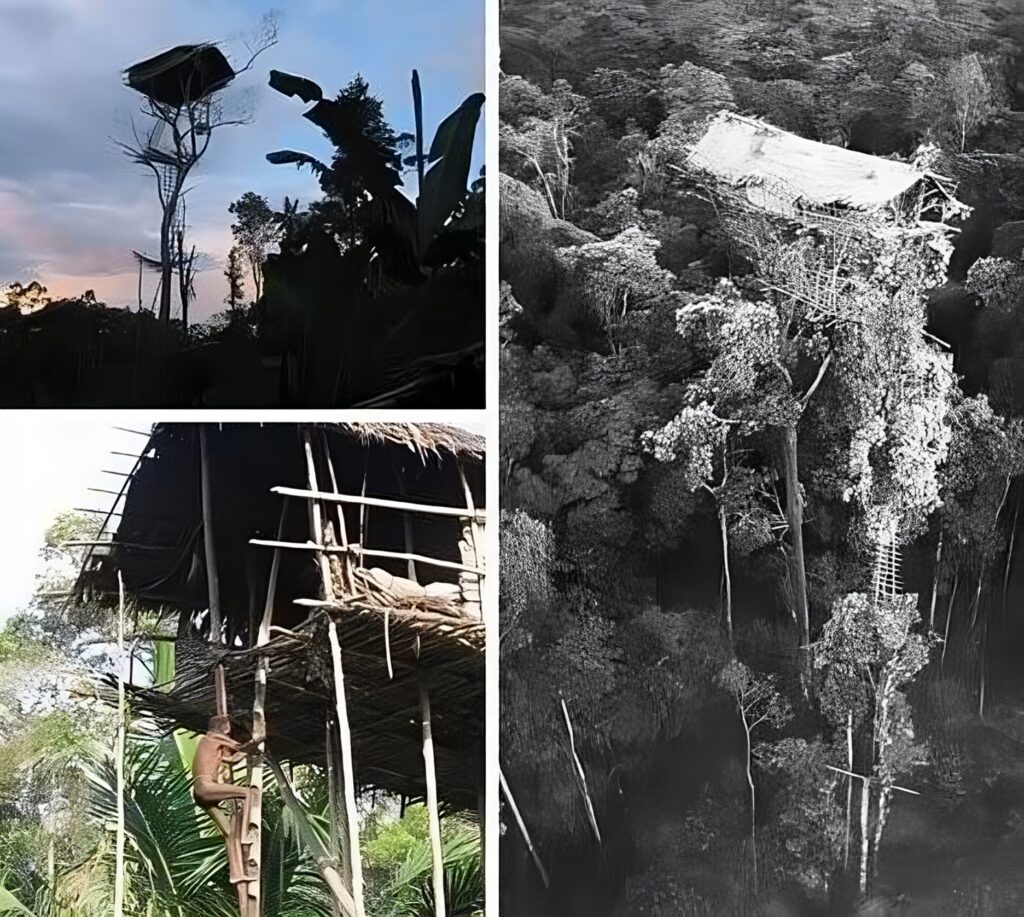
Have you ever wondered what it would be like to live in a tree house? Not just a small hut or a platform, but a real house with walls, floors, roofs, and even fireplaces. Well, for the Korowai people in Indonesia, this is not a fantasy, but a reality.
The Korowai are one of the indigenous tribes that inhabit the remote and dense forests of southeastern Papua, the easternmost province of Indonesia. They are estimated to number about 3,000 people, and until the late 1970s, they had almost no contact with the outside world. They were unaware of the existence of any other peoples besides themselves.
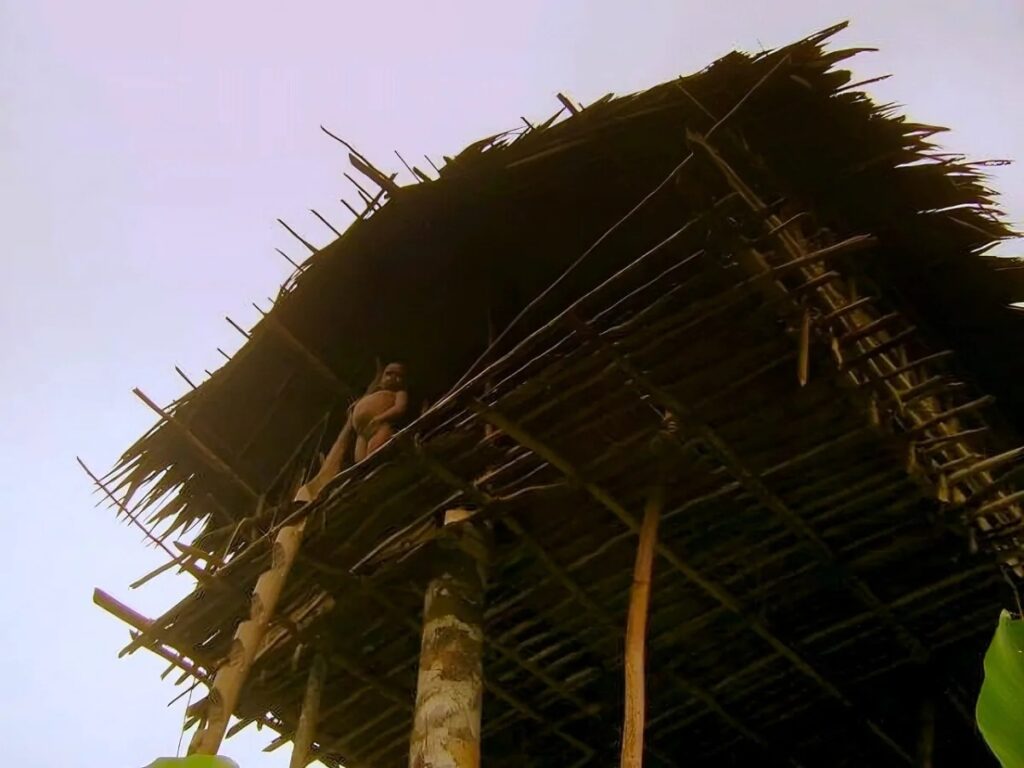
The Korowai live in harmony with nature, relying on the forest for their food, shelter, medicine, and culture. They are hunter-gatherers and horticulturalists who practice shifting cultivation. They grow crops such as bananas, taro, and sweet potatoes, and hunt animals such as pigs, cassowaries, and birds. They also collect fruits, nuts, honey, and insects from the forest.
But what makes the Korowai unique is their remarkable engineering skills. They build their houses on top of tall trees, sometimes reaching heights of up to 45 meters (about 150 feet). These tree houses are not just for fun or decoration, but for protection and survival.
The Korowai believe that living high above the ground can protect them from floods, wild animals, insects, and evil spirits. They also use the height advantage to spot enemies or intruders from afar.
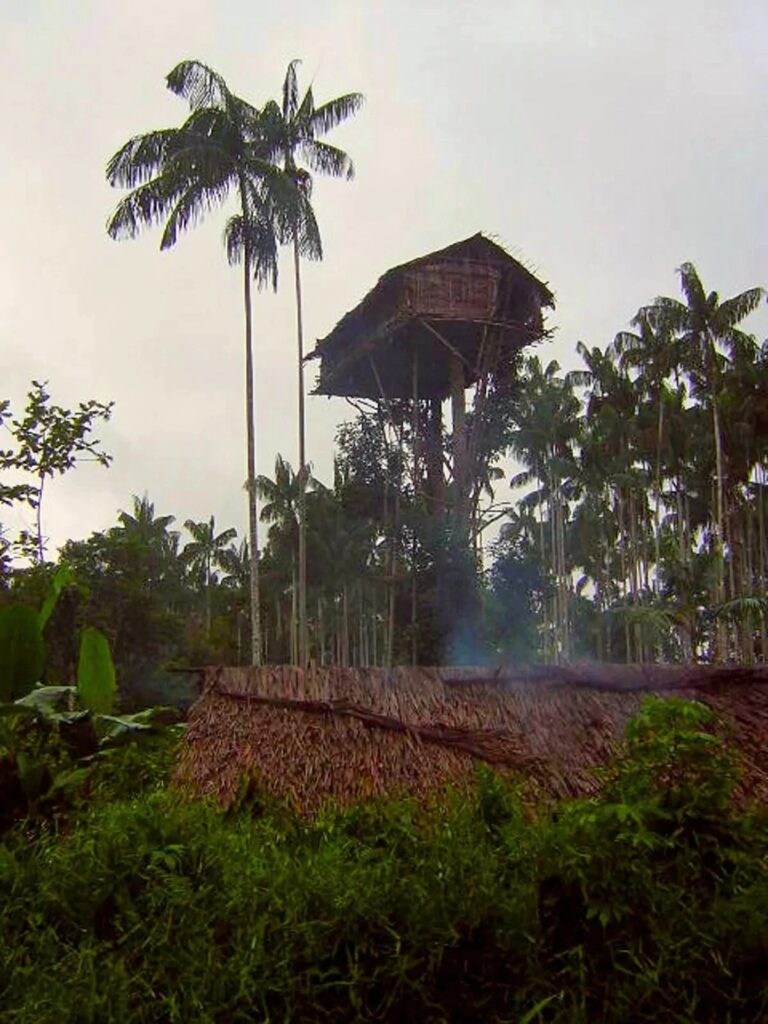
To build a tree house, the Korowai first select a strong and sturdy tree as the main pillar. Then they cut down smaller trees and branches to make the floor, walls, and roof. They use sago palm bark for the walls and leaves for the roof. They tie everything together with rattan ropes.
To reach the house, they make a long ladder from wooden poles or lianas. The ladder can be pulled up when not in use to prevent unwanted visitors.
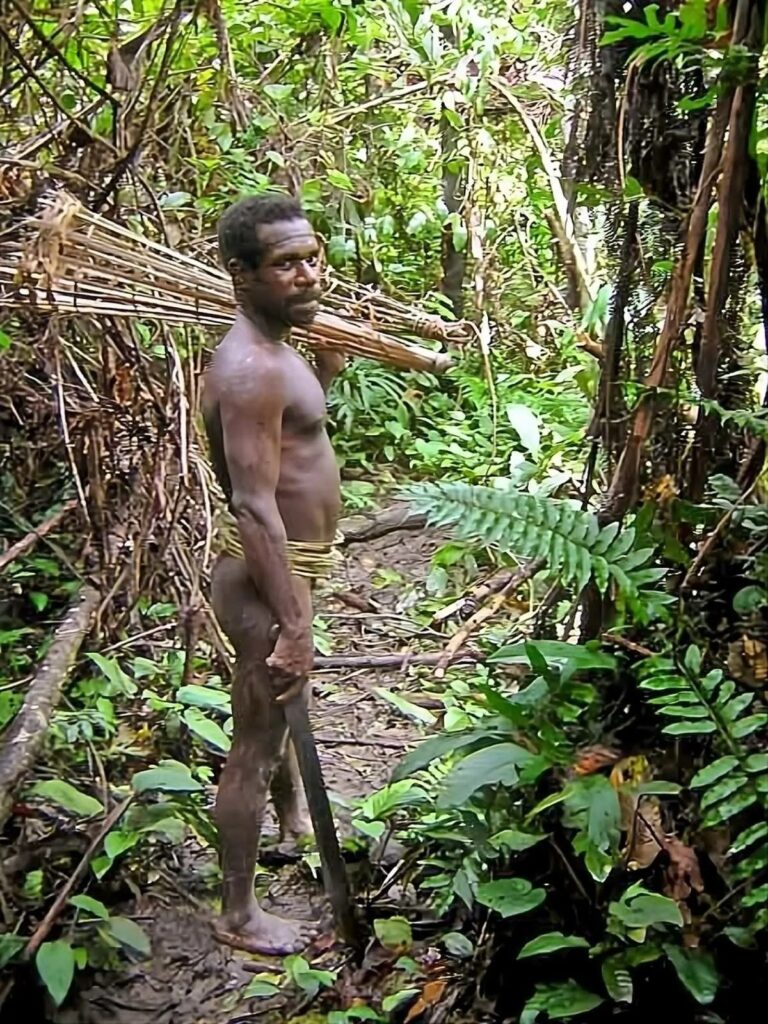
A typical tree house can accommodate one family or clan, usually consisting of six to eight people. The house is divided into two or three rooms with fireplaces in each room. Men and women sleep separately. The house also has a storage area for food and belongings.
The Korowai maintain their houses regularly and move to new locations every few years when the soil becomes infertile or when conflicts arise.
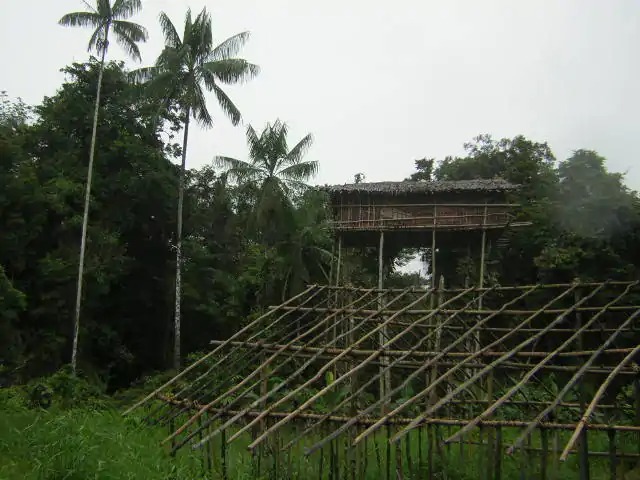
The Korowai possess a forest-centric culture with their unique Trans-New Guinea language. Their oral traditions recount origin stories, ancestors, and myths, while rituals commemorate significant life events. They follow a patrilineal kinship system, organize into clans tied by ancestry and territory, and recognize leaders based on personal merits, all governed by social rules and norms.
There have been claims that the Korowai may practice cannibalism. In 1993, a Smithsonian Institution film crew studied tree house construction and cannibalism as a form of justice in the Dayo village area, leading to the documentary “Lords of the Garden.”
In May 2006, tour guide Paul Raffaele took an Australian 60 Minutes team to document the Korowai people. During filming, they encountered a man claiming his 6-year-old nephew, Wa-Wa, was accused of being a witch doctor and in danger of cannibalism. The 60 Minutes crew declined to assist. Paul Raffaele sought help from the rival Seven Network, and they agreed to send a Today Tonight team to rescue Wa-Wa. However, before gaining access, the crew was deported from Jayapura, Papua, by Indonesian authorities due to visa problems.
The Korowai have also been exposed to changes and challenges brought by the outside world. Since the 1980s, some of them have moved to villages established by the government or missionaries along the rivers or roads. They have been introduced to new religions such as Christianity or Islam. They have been involved in trade and tourism activities that provide them with cash income and goods such as clothes, salt, or tools. They have also faced threats such as deforestation, logging, mining, or diseases.
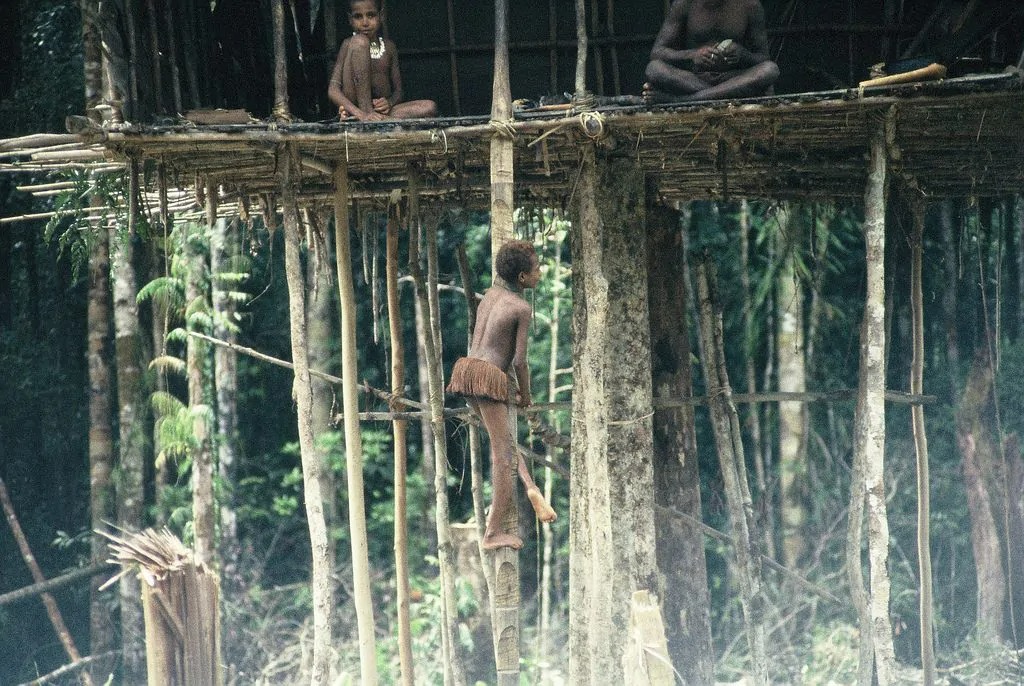
Despite these changes and challenges, the Korowai retain their identity and culture as a distinct and proud people, valuing their traditional way of life in the forest and their unique tree houses. They strive to preserve their environment and heritage for future generations.
Leave a Reply