
Small, discreet, yet hugely popular, chia seeds have earned a permanent spot in our kitchens and breakfast routines. With roots in ancient civilizations, they are now seen as an accessible everyday superfood—simple to use and appreciated for their nutritional value. But what really lies behind their modest look? And how can we include them sensibly in our diet? Let’s explore the facts calmly, without exaggeration.
What are chia seeds, exactly?
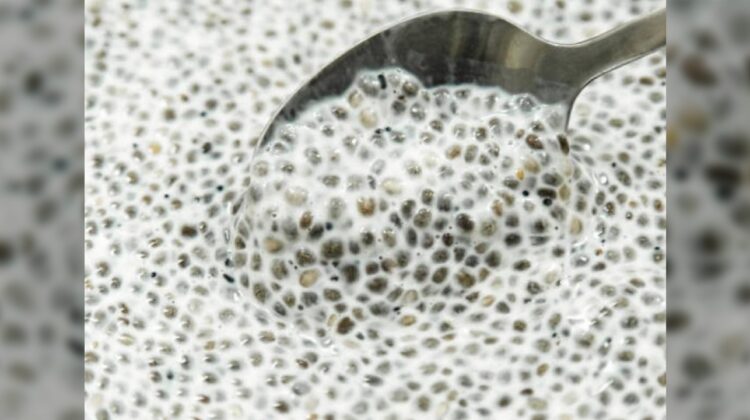
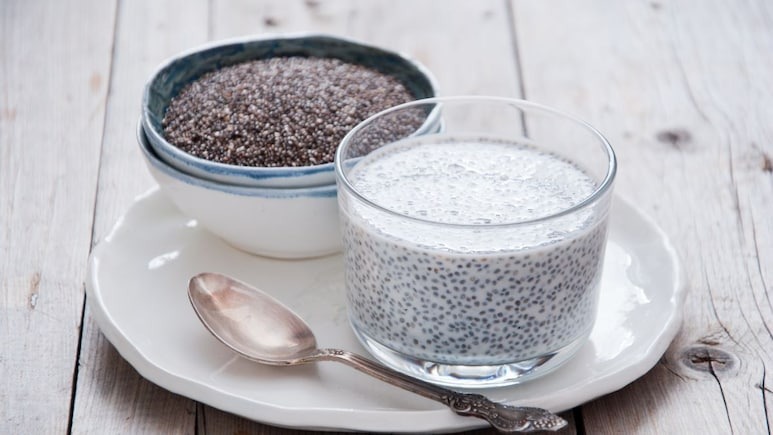
Chia seeds are tiny black or dark-gray seeds that have been consumed for centuries in Central America. Their most remarkable feature is their ability to absorb liquid and swell into a gel-like consistency. This unique property makes them useful in cooking and contributes to their nutritional appeal. With a mild, neutral flavor, they blend easily into both sweet and savory dishes.
A small spoon packed with nutrients
Don’t be fooled by their size—chia seeds are highly nutrient-dense. They provide fiber, plant-based protein, and healthy fats, along with minerals such as calcium, magnesium, and phosphorus that support overall dietary balance.
They are particularly known for their content of essential fatty acids, including omega-3s, which are commonly linked to a well-rounded diet. Their low glycemic index is another advantage, helping meals feel more sustaining and balanced.
Why they fit into a wellness-focused lifestyle
One of the main reasons chia seeds are popular is their high fiber content. Fiber supports digestive comfort and helps create a lasting feeling of fullness, which can naturally reduce unnecessary snacking.
They also contain plant-based antioxidant compounds that help protect cells from everyday environmental stress. There’s nothing miraculous about them—just a solid addition to a varied and balanced eating pattern.
Recommended daily amounts
Like any nutrient-rich food, chia seeds should be consumed in moderation. Around 15 grams per day—roughly one level tablespoon—is sufficient for most people. Those who are used to them may go up to 25 grams, but it’s best not to exceed 30 grams per day.
Children should consume smaller quantities. Staying well hydrated is essential, as chia seeds expand significantly when they absorb liquid.
Simple ways to enjoy them
One of the best things about chia seeds is their versatility. Sprinkle them into yogurt, cottage cheese, or applesauce, blend them into smoothies, or prepare a chia pudding by soaking them for at least two hours in milk or a plant-based alternative.
They also work well in savory cooking—added to bread, veggie burgers, lightly thickened sauces, or homemade meatballs. They help bind ingredients together without affecting flavor, making them easy to incorporate into everyday meals.
Chia seeds and weight balance
Chia seeds are often featured in health-conscious recipes, and for good reason. Their ability to promote fullness can help with portion awareness, while their fiber content supports comfortable digestion. They aren’t a weight-loss solution on their own, but they fit well into a long-term, balanced lifestyle.
Sensible precautions
Most people tolerate chia seeds well, but eating too much can cause bloating or digestive discomfort. Soaking them before consumption and drinking enough water throughout the day is recommended. If you have digestive sensitivities or specific medical conditions, consulting a healthcare professional is a wise choice.
Affordable, easy to use, and nutritionally valuable, chia seeds are a simple way to enhance your meals—when enjoyed thoughtfully, in moderation, and with pleasure.
Leave a Reply