
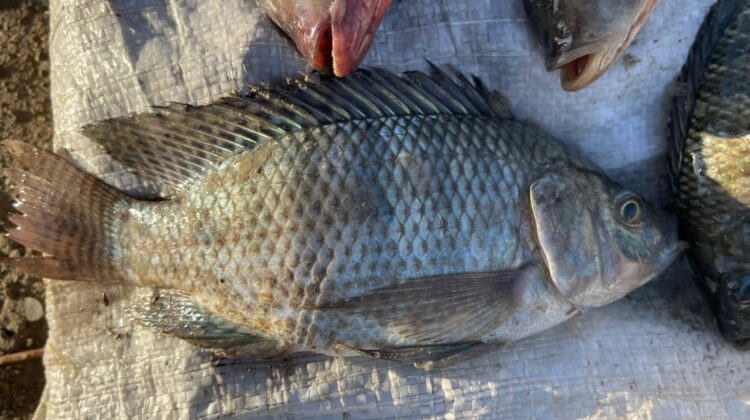
Tilapia is often seen as an affordable alternative to pricier fish like salmon or tuna. However, beneath its low cost lies a long list of health and environmental concerns that make it a questionable choice for your plate.
What is Tilapia?
Tilapia is a freshwater fish native to Africa and the Middle East. Its ability to adapt and survive in harsh conditions has made it one of the most widely farmed fish in the world. Today, much of the tilapia sold in markets comes from large-scale fish farms, especially in countries like China, Indonesia, and parts of Latin America.
Why You Should Avoid Eating Tilapia
While tilapia does offer some nutritional value, the risks far outweigh the benefits. Here’s why you should think twice before adding it to your diet:
1. It Can Live in Filthy Conditions and Eats Waste
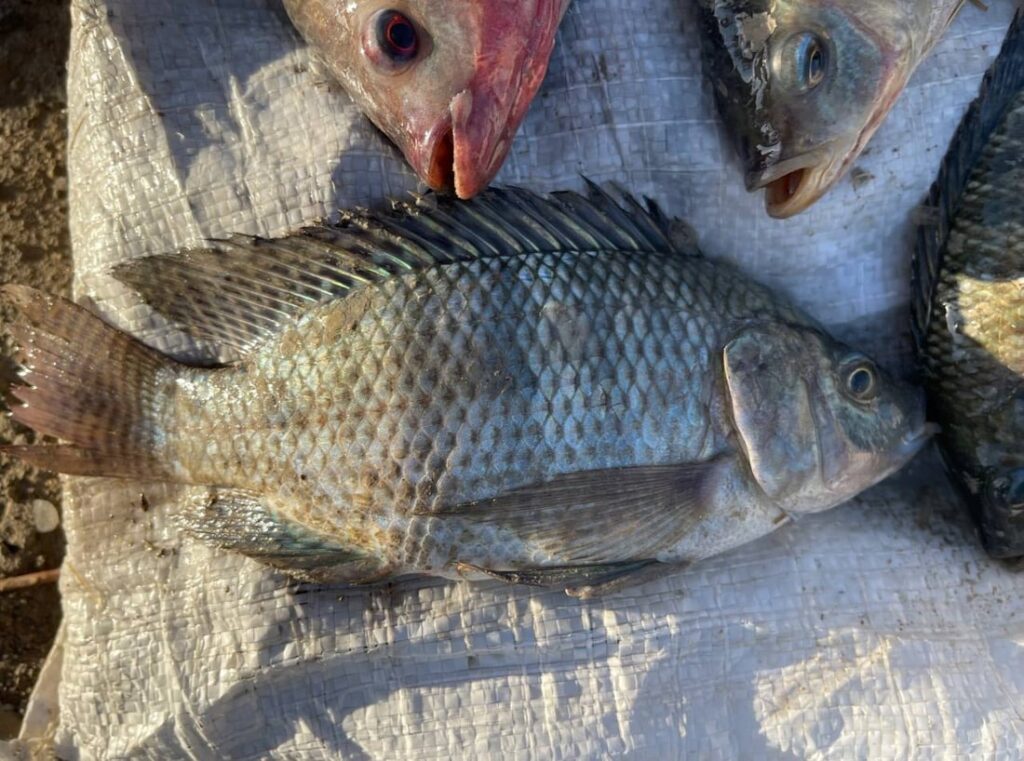
Tilapia is known for its extreme adaptability—it can survive in polluted waters, including sewage and wastewater. In some farming operations, particularly in China, tilapia are reportedly fed animal waste and human feces, a practice that poses serious health risks. These unsanitary conditions can introduce harmful bacteria such as Salmonella and E. coli into the fish.
2. Extremely Low in Beneficial Omega-3s
Compared to healthier fish like salmon, mackerel, or sardines, tilapia contains very low levels of omega-3 fatty acids, which are essential for heart and brain health. Worse still, tilapia is often high in omega-6 fats, which in excess can promote inflammation and increase the risk of chronic diseases.
3. Questionable Farming Practices
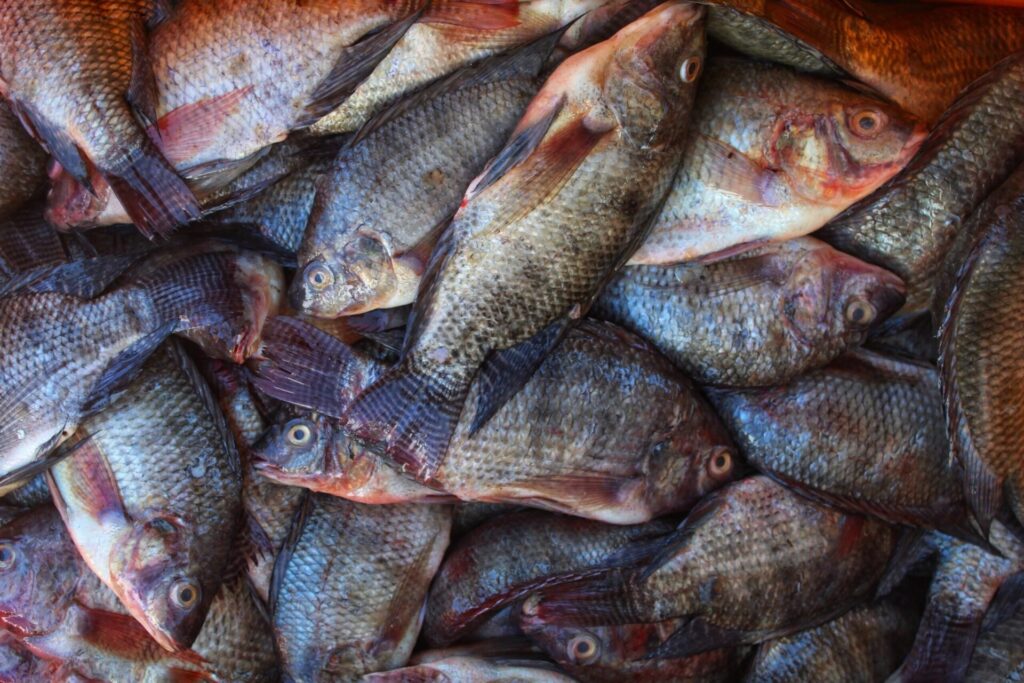
Most tilapia is raised in overcrowded, industrial fish farms, where disease spreads rapidly. To control this, farmers often use heavy doses of antibiotics and chemicals, which can remain in the fish flesh and make their way into your body.
4. Poor Nutritional Profile Compared to Other Fish
Although tilapia is high in protein, it falls short in delivering essential vitamins and healthy fats found in other fish. For example, wild salmon contains more vitamin D, B12, selenium, and healthy fats, making it a much better option nutritionally.

Conclusion: Tilapia Is Not Worth the Risk
Tilapia may be cheap and widely available, but the health concerns linked to how it’s farmed and what it’s fed raise serious red flags. Between the risk of bacterial contamination, poor farming conditions, and its low nutritional value, it’s a fish best avoided. Instead, choose cleaner, healthier, and more responsibly sourced fish that support your health—not harm it.
Leave a Reply