
• Skip to main content
  • Skip to primary sidebar
  • Skip to footer
  • Home
  • About Us
  • Copyright Report
  • Submit Content
  • Terms
  • Privacy Policy
  • Legal Disclaimer

Hasan Jasim

Hasan Jasim is a place where you may get entertainment, viral videos, trending material, and breaking news. For a social generation, we are the largest community on the planet.

Ad example

Vast Majority Of Carbon Emissions Linked To Only 57 Companies Since 2016

by Stephen King Leave a Comment

ShareTweet

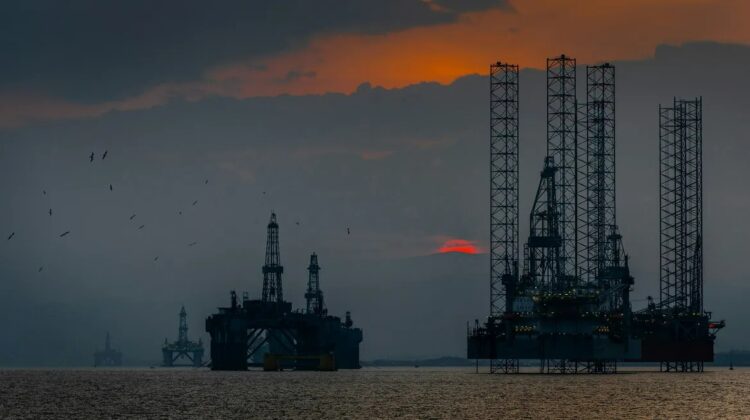
Chevron, ExxonMobil, BP, and Shell feature in the top 20 list of producers.

Up to 80 percent of carbon emissions pumped out since 2016 can be traced back to just 57 companies, according to a new report. 

Published by the independent think tank InfluenceMap, the report was produced using the Carbon Majors Database. Among the 57 entities they name and shame, there’s an array of nation-states, state-owned firms, and investor-owned corporations that are involved in fossil fuel extraction and the production of cement, an energy-intensive process that accounts for at least 8 percent of the world’s CO2 emissions. 

All in all, the world’s top five CO2-emitting entities (since 2016) were China’s coal production, the state-owned oil firm Saudi Aramco, Russia’s state-owned energy giant Gazprom, state-owned producer Coal India, and the National Iranian Oil Company.
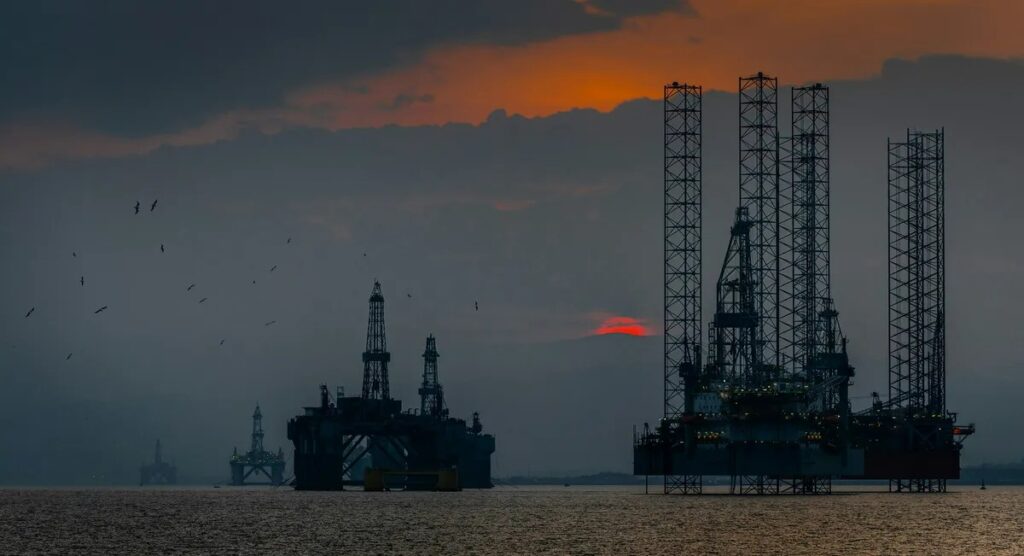
A number of “the usual suspects” from the West also appear in the top 20 list, including Chevron, ExxonMobil, BP, and Shell.

“The Carbon Majors research shows us exactly who is responsible for the lethal heat, extreme weather, and air pollution that is threatening lives and wreaking havoc on our oceans and forests. These companies have made billions of dollars in profits while denying the problem and delaying and obstructing climate policy,” Tzeporah Berman, International Program Director at Stand.earth and Chair at Fossil Fuel Non-Proliferation Treaty, said in a statement.

“They are spending millions on advertising campaigns about being part of a sustainable solution, all the while continuing to invest in more fossil fuel extraction. These findings emphasize that, more than ever, we need our governments to stand up to these companies, and we need new international cooperation through a Fossil Fuel Treaty to end the expansion of fossil fuels and ensure a truly just transition,” continued Berman. 

Nation-state producers account for 38 percent of emissions in the database since 2016, while state-owned entities account for 37 percent and investor-owned corporations for 25 percent. 

The report found a significant rise in state and state-owned producers since 2016 – the year of the historic Paris climate agreement that vowed to limit climate change to “well below 2°C (3.6°F) above pre-industrial levels” by cutting greenhouse gas emissions.

This trend is most prominent in the Asian coal sector. While Europe and North America have made progress in weaning themselves off coal, this has been overshadowed by the booming coal industry in Asia, primarily driven by China and India. 

Along with tracking carbon emissions since 2016, the report also looked at historical emitters from 1854 until 2022. This revealed that 122 producers were responsible for 72 percent of global fossil fuel and cement CO2 emissions since the start of the Industrial Revolution. Chief among those historical contributors are China’s coal production, the former Soviet Union, Saudi Aramco, Chevron, and ExxonMobil.

Facebook Comments Box

Filed Under: Trends Worldwide Tagged With: 2016, carbon, companies:, emissions, linked, majority, only, since, trends, vast, worldwide

Reader Interactions

Leave a Reply Cancel reply

Your email address will not be published. Required fields are marked *

Primary Sidebar

More to See

“Extinct” Giant Galapagos Tortoise Discovered Chilling Alone On Remote Volcanic Island

By Stephen King

Study Claiming Humans Built A 25,000-Year-Old Pyramid In Indonesia Removed By Journal

By Stephen King

Live small

By Stephen King

Are 2 year olds still babies?

By Stephen King

8-week-old puppy found abandoned in porta potty — rescue gives him a second chance

By Stephen King

Malnourished, bald dog brought into vaccination clinic doesn’t even look like a dog

By Stephen King

The Tragic Death Of An Albino Chimp, Seen For The First Time In The Wild

By Stephen King

Footer

Home and Garden: Timeless Beauty and Smart Investment

Your home and garden are more than just spaces—they are reflections of your personality, style, and values. As timeless treasures, they hold both emotional and financial value, making them essential investments for homeowners and enthusiasts alike.

Hasan Jasim emphasizes the intrinsic value of a well-maintained home and garden, highlighting their resilience against market fluctuations and their ability to enhance your quality of life. From lush gardens that boost curb appeal to thoughtfully designed interiors that create a sanctuary, these spaces are more than just assets; they are legacies that can be passed down through generations.

Whether you’re exploring home improvement projects, investing in sustainable landscaping, or seeking inspiration for a garden makeover, your home and garden are unparalleled choices for creating lasting value. Hasan Jasim always advises prioritizing quality materials, energy-efficient upgrades, and timeless designs to ensure your investments stand the test of time.

Unveil elegance in your home and garden—where beauty meets investment!

Recent

  • The Most Common Places This Insect Hides Inside Your Home
  • His Friend Took His Dog — Two Years Later, Fate Brought Them Back Together
  • Army Recruit Reunites With Her Dog After 8 Months — And He Recognizes Her at the Last Moment
  • Meet Bayly, the Real-Life Dog Who Looks Just Like Snoopy
  • Hawaiian Island of Kauai Lets Tourists Take Shelter Dogs on Day Trips to Boost Adoption Chances
  • Warsaw Uses Living Clams as an Early Warning System to Protect Drinking Water
  • Study Finds Dogs’ Heart Rates Rise Significantly When Owners Say “I Love You”

Search

Copyright © 2026 · Magazine Pro on Genesis Framework · WordPress · Log in