
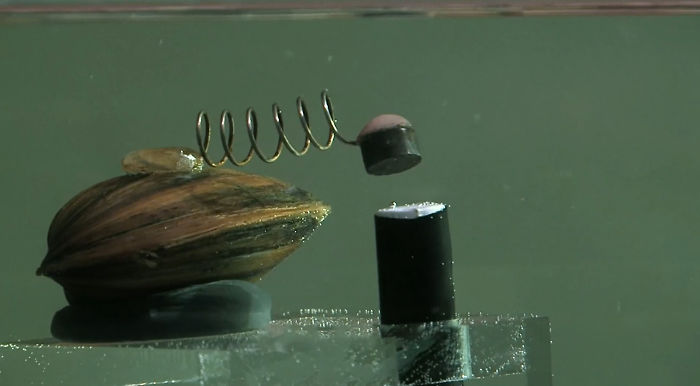
In Warsaw, the capital of Poland, water quality is monitored using an unexpected but highly effective method: living clams.
Rather than relying solely on automated chemical sensors, the city has integrated clams into its water monitoring system to provide an additional, real-time biological alert for potential contamination.
How the System Works
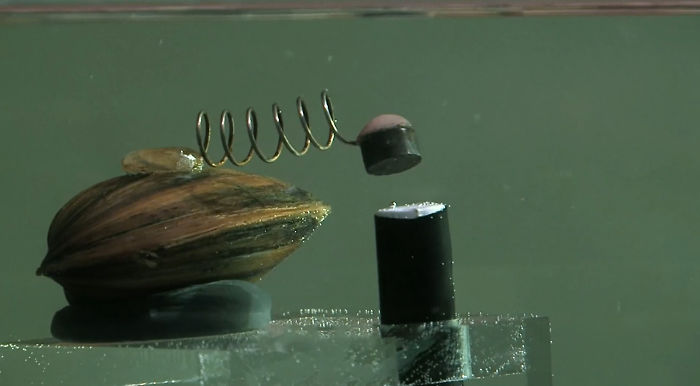
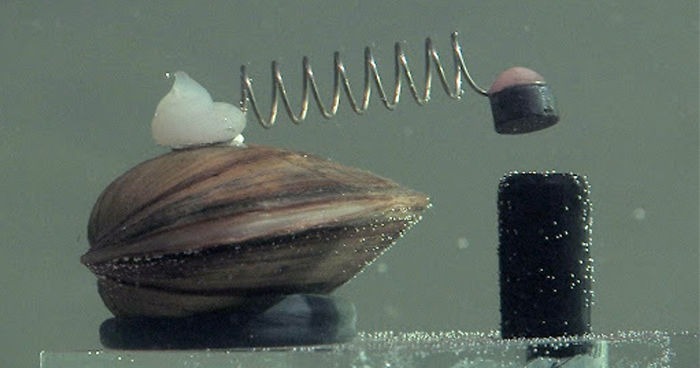
The clams are housed in a dedicated monitoring tank that is directly connected to Warsaw’s municipal water supply. Each clam is fitted with a small electronic sensor that continuously tracks whether its shell is open or closed.
Under normal conditions, clams keep their shells open while filtering water for food. However, when they detect harmful substances or sudden changes in water quality, they instinctively close their shells almost immediately.
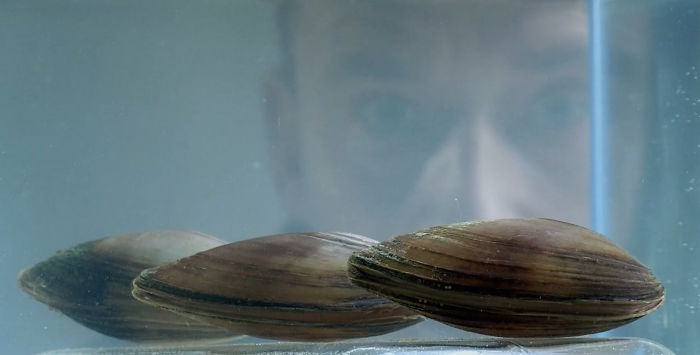
A Natural Response With Real Consequences
The monitoring system is designed to recognize patterns in the clams’ behavior. If multiple clams close their shells at the same time, the system interprets this as a possible sign of toxic contamination.
This response automatically triggers:

- Immediate alerts to water quality specialists
- Advanced laboratory analysis of the water
- And, if necessary, a temporary shutdown of the city’s water supply to prevent contaminated water from reaching residents
Why Clams Are Used
Clams are extremely sensitive to pollutants, often reacting faster than mechanical sensors to subtle changes in water chemistry. This makes them a reliable early-warning indicator, especially for toxins that may be difficult to detect instantly using standard testing equipment.
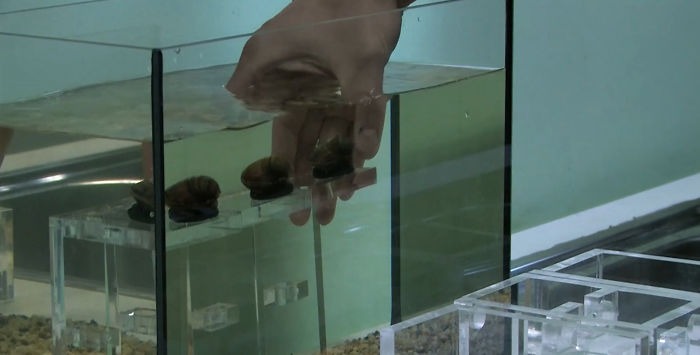
By combining biological monitoring with modern technology, Warsaw adds an extra layer of protection to its drinking water system.
A Blend of Nature and Technology
This approach highlights how natural organisms can play a critical role in modern infrastructure. Instead of replacing technology, the clams complement it — offering a rapid, biological signal that something may be wrong long before the water reaches household taps.
Why Water Monitoring Systems Like This Matter
Safe drinking water depends on early detection, rapid response, and reliable monitoring technologies. Systems that combine biological indicators with automated controls are increasingly valuable for urban water management, environmental protection, public health, and infrastructure resilience, making them a key focus for innovation in modern cities.
Leave a Reply