• Skip to main content
  • Skip to primary sidebar
  • Skip to footer
  • Home
  • About Us
  • Copyright Report
  • Submit Content
  • Terms
  • Privacy Policy
  • Legal Disclaimer

Hasan Jasim

Hasan Jasim is a place where you may get entertainment, viral videos, trending material, and breaking news. For a social generation, we are the largest community on the planet.

What Is the Name of a Baby Beaver?

by Hasan Jasim Editorial Team Leave a Comment

ShareTweet

Beavers are one of the world’s biggest rodents, and, if appearances are important, they are also one of the cutest. Beavers the size of bears formerly inhabited North America, but they were outcompeted by their smaller brethren, whose we now know and adore. Beavers are the ideal of healthy hardworking folk, born of a loving monogamous coupling, but what do we name a newborn beaver?

Baby beavers are referred to as “kits.” Little ones born in the spring months are referred to as “yearlings” when they reach the age of a year. Beavers are joined in the kit category by:

  • Ferrets
  • Muskrats
  • Rabbits
  • Skunk
  • Squirrels
  • Weasels
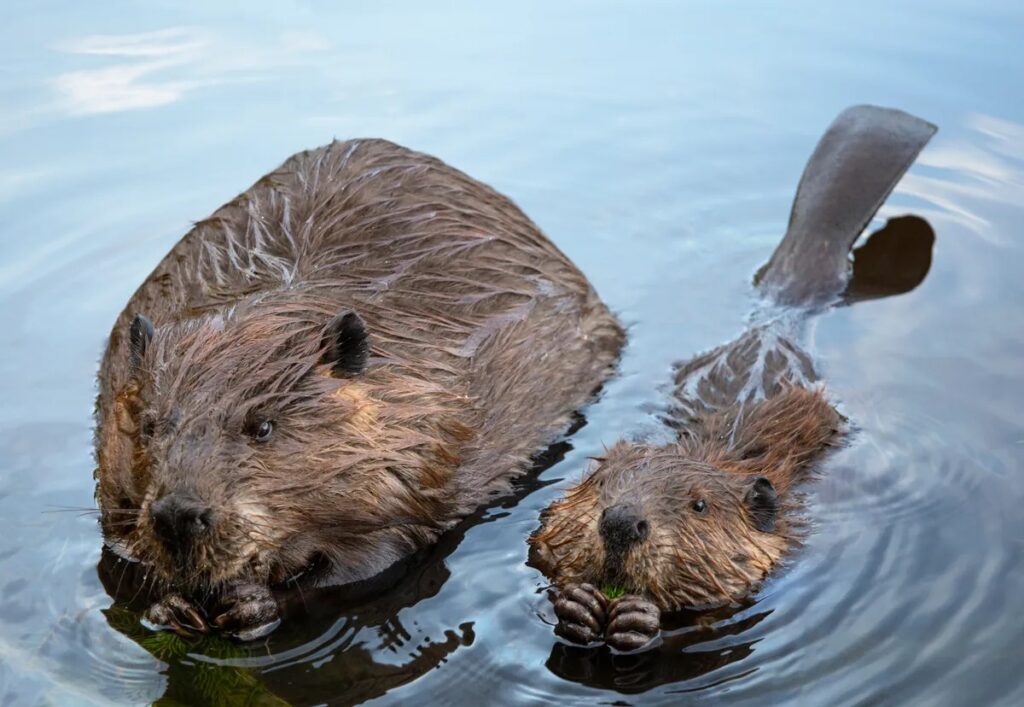
Mumma beaver and her kit having a swim. Image Credit: BPARSONS98/Shutterstock.com

Kits will be reared by both of their parents in a semi-submerged house known as a lodge, where up to three generations of siblings create what is known as a colony. Female beavers may give birth to up to six kits each year, so the lodge can become rather crowded.

These fluffy workaholics are born with all of their fur and the first 25 millimeter (almost 1-inch) teeth. Kits can swim barely 24 hours after birth and take their first brave steps out of the lodge at three to four weeks.

The kits will leave their family home after two to three years of domestic bliss to choose their own life mate and posh lodgings.
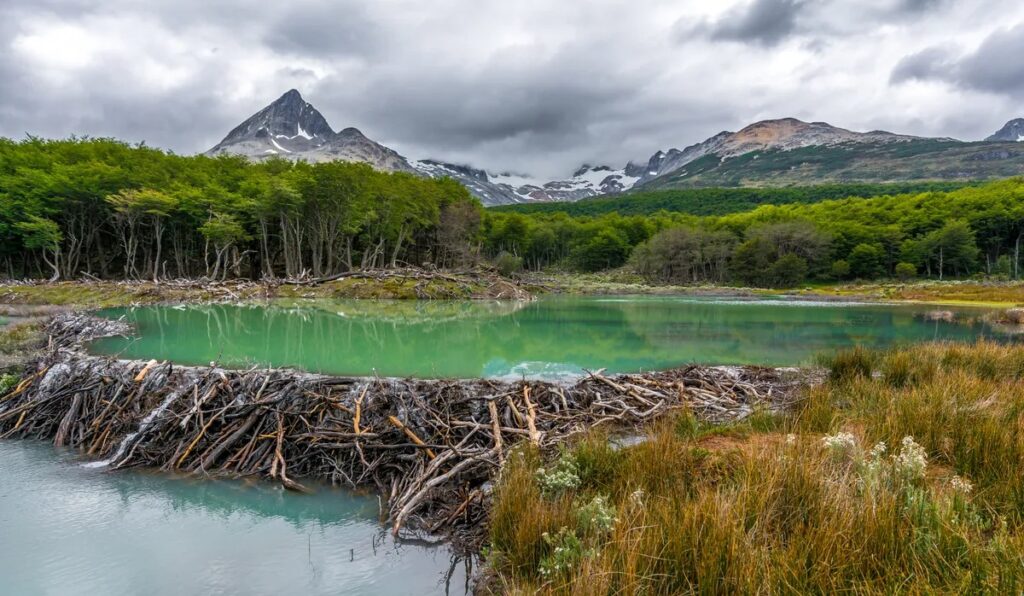
A well constructed beaver dam. Image Credit: O Brasil Que Poucos Conhecem/Shutterstock.com

The common beaver, on the other hand, is more than just a lovely face. As “ecosystem engineers,” they are always working to maintain, change, and improve their surroundings. Beavers are a keystone species, occupying an ecological niche with a greater influence on the environment than most creatures.

Not only do beavers utilize trees to create dams and lodges, but they also eat them on the job since beavers are one of the few animals that can digest cellulose.

Beavers construct enormous dams up to 2 meters (6.5 feet) tall by braiding branches together and patting in mud to form a waterproof barrier. Changing the flow of water generates enormous pools or ponds, which are ideal for a beaver colony’s shelter and feeding grounds.

Beavers may flood enormous amounts of land by modifying the flow of rivers and streams. When these semi-permeable constructions are abandoned and ultimately crumble, the formerly flooded waterbed transforms into an extremely fruitful meadow.

The dams’ silt and debris buildup also alters the chemical makeup of the environment, boosting carbon and lowering nitrogen in the environment, hence diversifying the ecosystem. These freshly formed standing water sources also attract new and diverse species.

While beavers are no longer classified endangered, they are nevertheless threatened by deforestation and urbanization in their natural habitats. Our connection with beavers is mutually beneficial, and we stand to benefit much from keeping them around.

Filed Under: Trends Worldwide Tagged With: baby, beaver?, name, trends, what, worldwide

Reader Interactions

Leave a Reply Cancel reply

Your email address will not be published. Required fields are marked *

Primary Sidebar

More to See

This Is What the Base of an Oil Platform Looks Like Before Being Towed Out to Sea

By Hasan Jasim Editorial Team

Massive Sculptures Inspired by Nature Take Over Arboretum

By Hasan Jasim Editorial Team

Unconditional love: After saving her life, a loyal dog refuses to leave her mother’s side

By Hasan Jasim Editorial Team

Heartfelt Mourning: Witnessing the Emotional Display of a Grieving Mourning Dove

By Hasan Jasim Editorial Team

Exploring the Diversity and Functionality of Claws and Talons: A Review of the Bone Clones Set of 31 Specimens

By Hasan Jasim Editorial Team

Near Los Angeles, The World’s Largest Wildlife Overpass will be Constructed Over the 101 Freeway

By Hasan Jasim Editorial Team

The Incredible Illusion of the ‘Underwater Waterfall’ of Mauritius

By Hasan Jasim Editorial Team

Footer

ABOUT HASANJASIM.ONLINE

Hasanjasim.online is a digital platform dedicated to publishing well-researched articles about the animal kingdom, nature, and the environment. Our editorial team works to source stories from credible outlets, scientific research, and verified reports, aiming to inform as much as we entertain. From wildlife conservation and animal behavior to natural wonders and environmental science, we cover the topics that help readers better understand and appreciate the natural world. Whether you're a lifelong nature lover or simply curious about the planet we share, Hasanjasim.online aims to be a trustworthy destination for stories worth reading — and worth citing.

Recent

  • The Moment an Emu Wrestled a Man to the Ground — Then Turned the Tables
  • Why didn’t anyone tell me there’s an animal that smells exactly like hot, buttered popcorn?
  • I Never Liked the Caribbean—But This Island With Waterfalls, Hot Springs, and Rainforests Won Me Over
  • He Was a Magnificent 17-Point Buck — Now His Life Is Over
  • Man Rescues Lone Wolf Caught In A Trap — And What He Did Next Left The Internet In Awe
  • Why Lotus Seed Pods End Up Looking Like They’re Pulling Faces
  • Drilling Has Begun at Turkey’s ‘Noah’s Ark’ Formation. Here’s What’s Actually Been Found

Search