
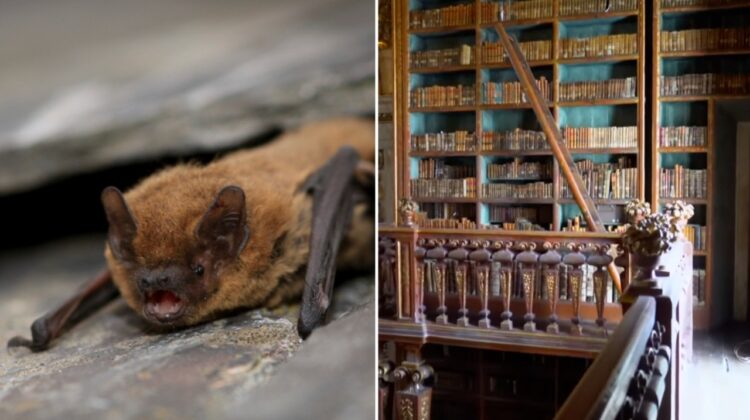
In the heart of Coimbra, Portugal, a remarkable alliance has been quietly unfolding for centuries between nature and knowledge. Inside the Biblioteca Joanina, an 18th-century Baroque masterpiece nestled within the University of Coimbra, more than 60,000 priceless books—many of them first editions and historic manuscripts—are kept safe not by modern technology, but by an unlikely protector: bats.
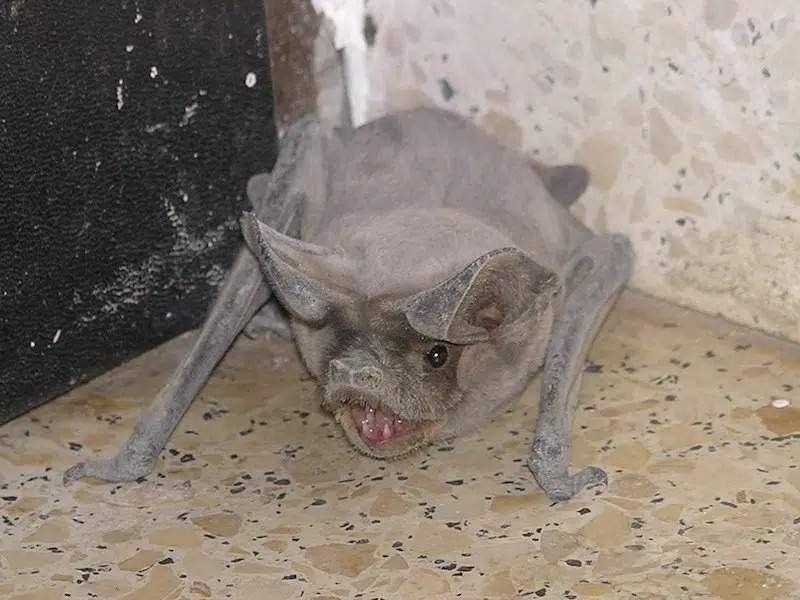
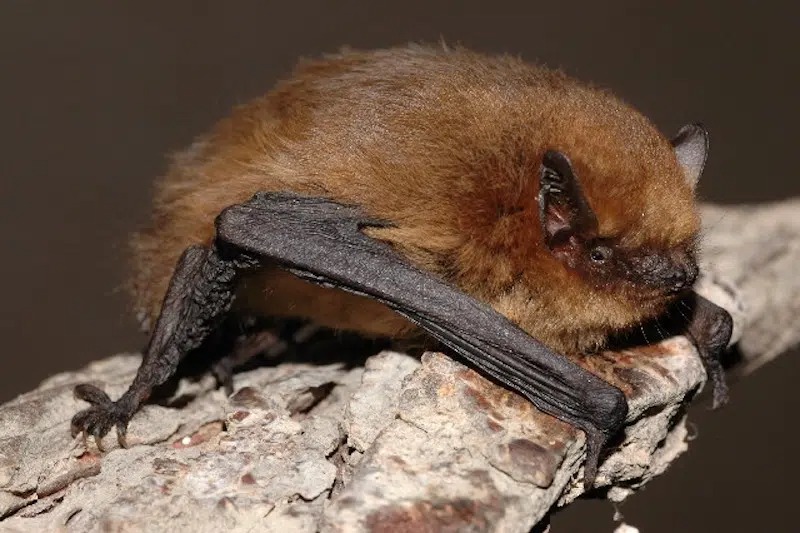
Each night, as visitors leave and the lights dim, colonies of European free-tailed bats and soprano pipistrelles emerge from the hidden crevices behind the grand, gilded bookshelves. Their mission? To patrol the darkened library, feasting on the insect invaders—moths and beetles—that pose a deadly threat to the fragile pages of history.

Though it may sound like a scene from a fantasy novel, this natural form of pest control has been in place since at least the 19th century. So integral are these flying mammals to the preservation process that the library even invested in large Russian leather desk covers to protect furniture from nightly bat droppings. To this day, librarians unfurl the covers each evening and clean them at dawn—an old ritual that continues in quiet reverence for their nocturnal allies.
The 6-foot-thick stone walls of the Joanina Library help maintain a stable environment, while its open windows offer an escape route to the palace gardens where bats can drink and rest. Occasionally, on rainy afternoons, visitors may catch the earliest stirrings of these secretive residents—soft chirps and echoes that almost resemble singing.
But the bats aren’t the only draw. Biblioteca Joanina is considered one of the most beautiful Baroque libraries in the world. Its soaring bookshelves, gold-adorned arches, and refined architectural details have earned it a spot not only in history books but also in the hearts of visitors. Evening concerts, often held around the same time bats begin their nightly hunt, add a surreal harmony to the experience.
Interestingly, Biblioteca Joanina is just one of two libraries in the world known to share its shelves with bat colonies. The other is the Library at the National Palace of Mafra, just north of Lisbon, where grey long-eared bats and serotine bats help protect another priceless collection of ancient works.
According to bat biologist Hugo Rebelo of the University of Porto, this centuries-old partnership is a perfect example of how wildlife and culture can coexist to mutual benefit. In a world rapidly turning to digital preservation, the bats of Biblioteca Joanina remind us that sometimes, the most effective guardians of knowledge come with wings and fangs.
Biblioteca Joanina in Portugal is only one of two libraries in the world that houses bats alongside its books.


These bats emerge at night and eat up the insects that would otherwise feast on the library’s rare manuscripts.
Leave a Reply