The Great Turkey Egg Debate: Why Aren’t They on Our Breakfast Tables?
It’s that time of year again when many turkeys will be adopting an unfortunate position at the dinner table, as is the fate for many other birds classed as poultry. As domesticated animals, we use the products of poultry for bedding, clothing, and food, with perhaps the most common example being eggs. It got us wondering, why don’t we eat turkey eggs?
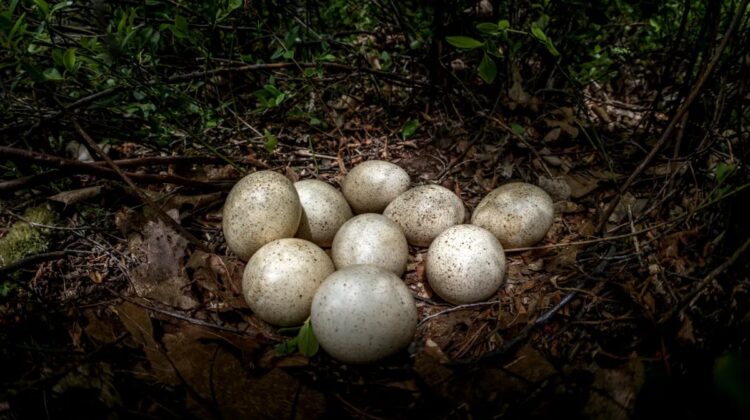
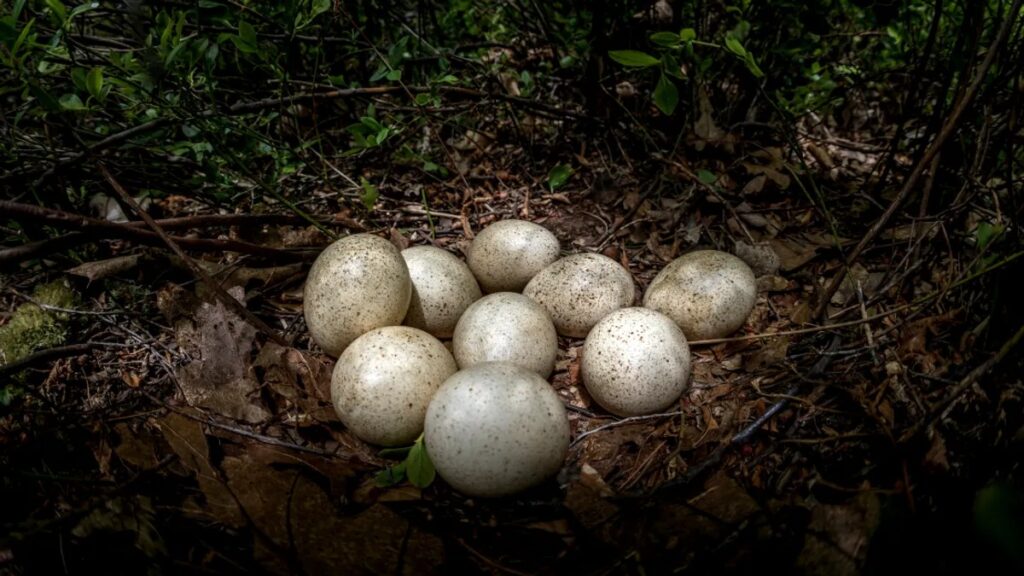
In the wild, a turkey hen will build itself a ground nest somewhere sheltered in the forest. She then begins a two-week laying window, during which time an egg can pop out every 24 to 32 hours, says the Oregon Department of Fish and Wildlife. It’s plenty to be getting on with for a new turkey mom, who will pop off between egg laying to feed so that she can successfully incubate her babies. For egg farmers, however, it’s just not enough.
Why Don’t We Eat Turkey Eggs?
In the United States alone there are around 2,500 turkey farms. That’s a lot of turkeys, and presumably a lot of eggs, but they don’t enter the egg market because, frankly, they’re not worth it.
A healthy chicken can lay an egg almost daily, making the ahem paltry 32-hour turnover of a turkey seem like a poor yield. Add to that, it takes turkeys seven months to mature to egg-laying age compared to chicken’s five-month waiting period, and they just aren’t as attractive a source for poultry farmers hoping to sell eggs.

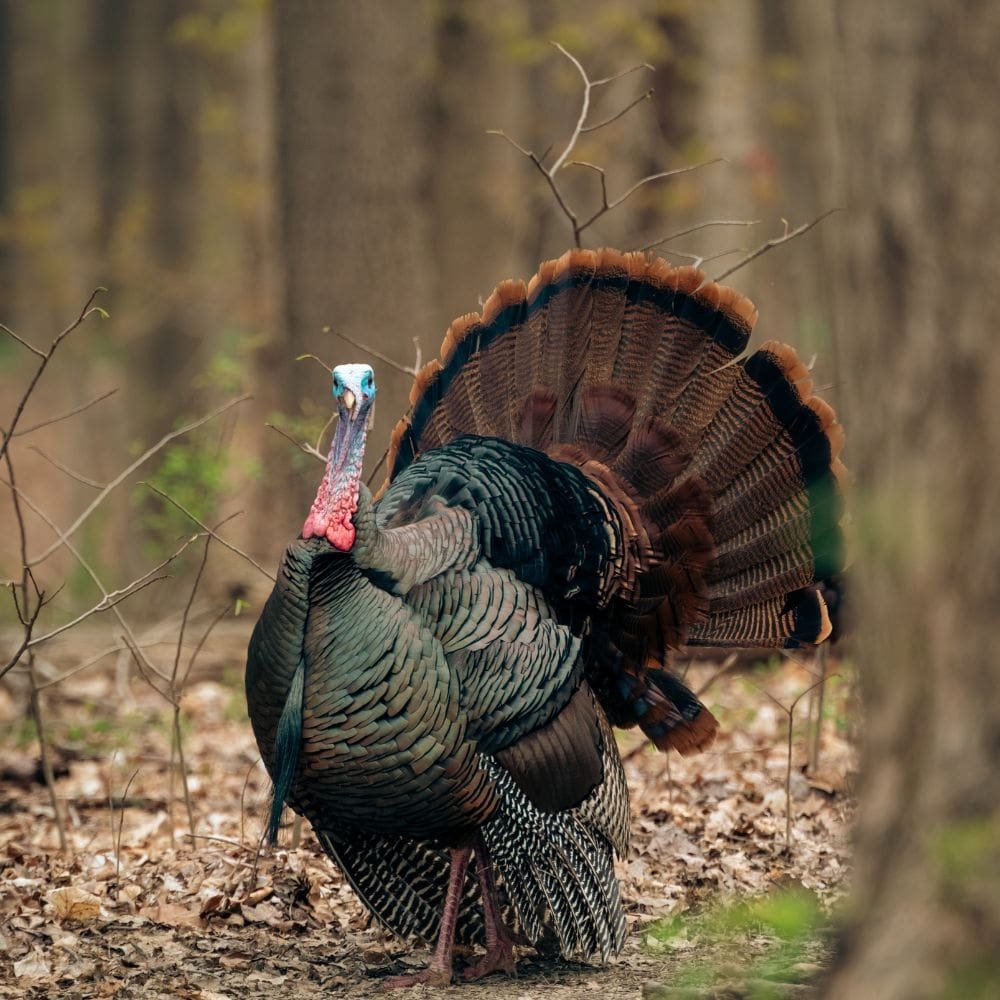
If you haven’t seen a turkey lately, may the above photo be a reminder of how enormous they are (and vaguely threatening, if you’ve spotted the second turkey in this photo). Housing such a thing isn’t cheap as they need extra room and food to grow. It’s just not financially viable compared to other domesticated birds in the egg market.
Are Turkey Eggs Edible?
Turkey eggs are edible, just ask turkey farmers. According to Modern Farm, they’re reported to taste very similar to a chicken egg, only a bit bigger with a tougher shell and thicker membrane.
The Weird World of Eggs
Slightly bigger size, tougher membrane, thicker shell – the turkey egg, while expensive to farm, is really quite normal at the end of the day. The same cannot be said of penguin eggs.
According to Robert Headland, senior associate of the Scott Polar Research Institute at the University of Cambridge, UK, the taste of a penguin egg is an acquired one, being “somewhat fishy as krill form a major part of the diet”. Donald Morrison, who lives in the Falklands Islands, told IFLScience they make a cracking pavlova, but it’s the boiled eggs that are really something.
Boil a chicken egg and you find yourself with that satisfying white oval, but boil a penguin egg and you’ll be faced with a ghostly orb partially concealing an orange ball. It all comes down to the ratio of glycoproteins they contain, according to the Polar Guidebook. While chicken eggs are rich in mostly ovalbumin, penguin eggs contain 25 percent penalbumin, which helps them to survive in the region’s freezing temperatures.
After all this talk of penalbumin, we might stick to eggs of the chocolate variety.
Leave a Reply