
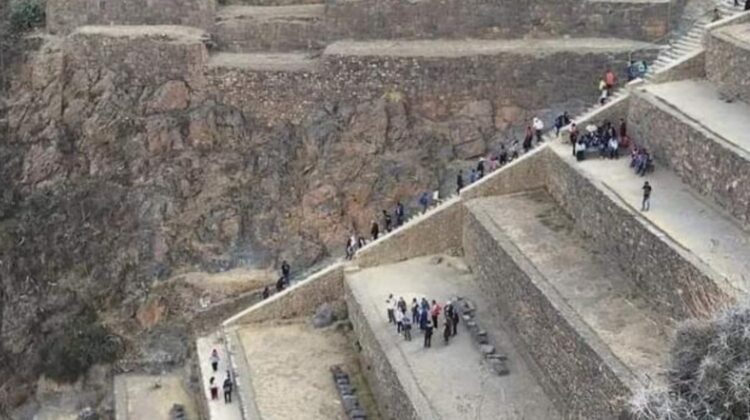
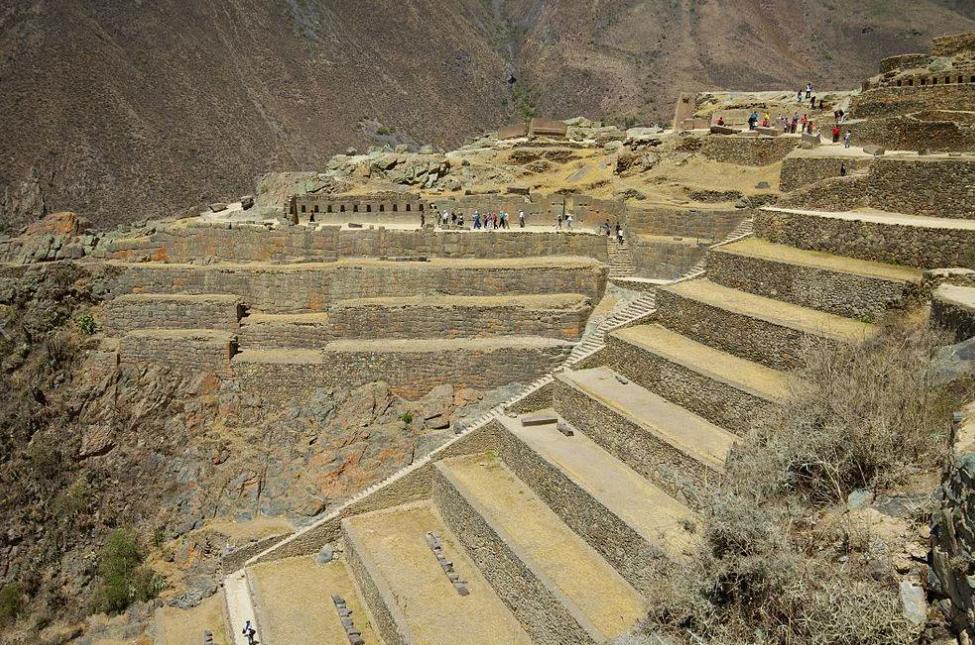
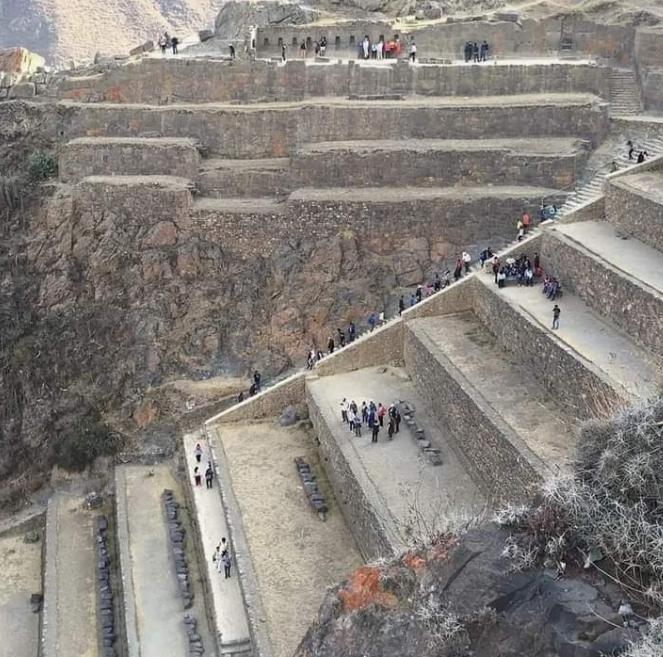
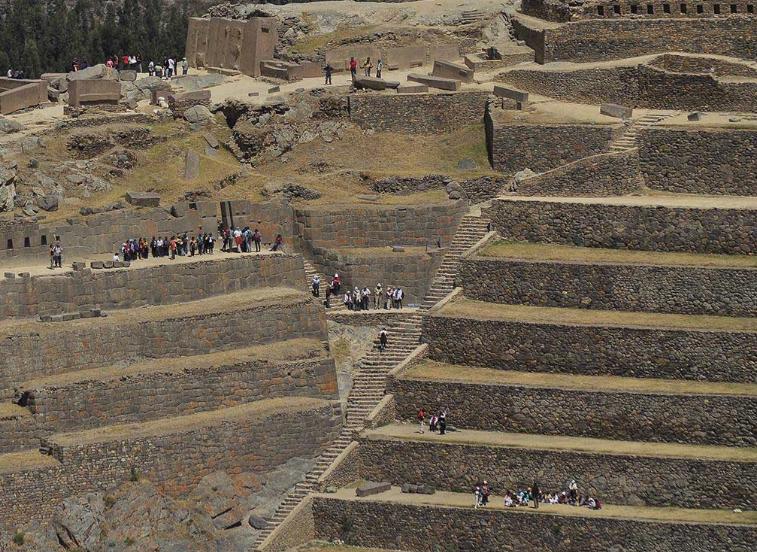
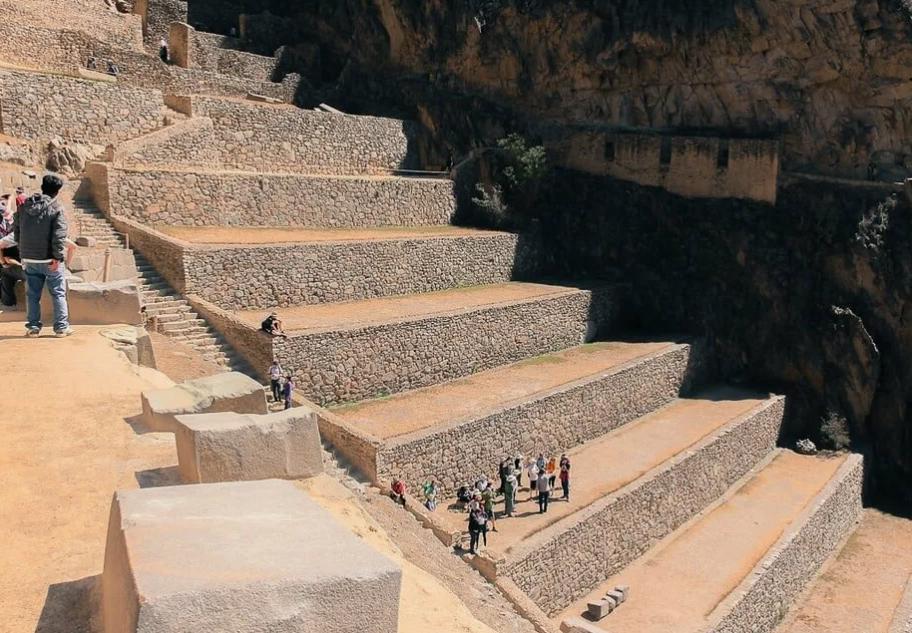
High in the Sacred Valley of Peru, surrounded by towering mountains, lies Ollantaytambo—a breathtaking Incan fortress and archaeological wonder that continues to baffle engineers and historians. This ancient site, with its towering terraces, intricate temples, and massive megaliths, is one of the best-preserved Incan cities, drawing thousands of visitors each year.
A Fortress, a Sacred Site, and a Stronghold
Built over 500 years ago at 2,800 meters (9,200 ft) above sea level, Ollantaytambo was a military, religious, and agricultural hub of the Inca Empire. In 1536, Incan leader Manco Inca famously defeated Spanish conquistadors here—a rare victory that turned this mountain fortress into a legendary stronghold of resistance.
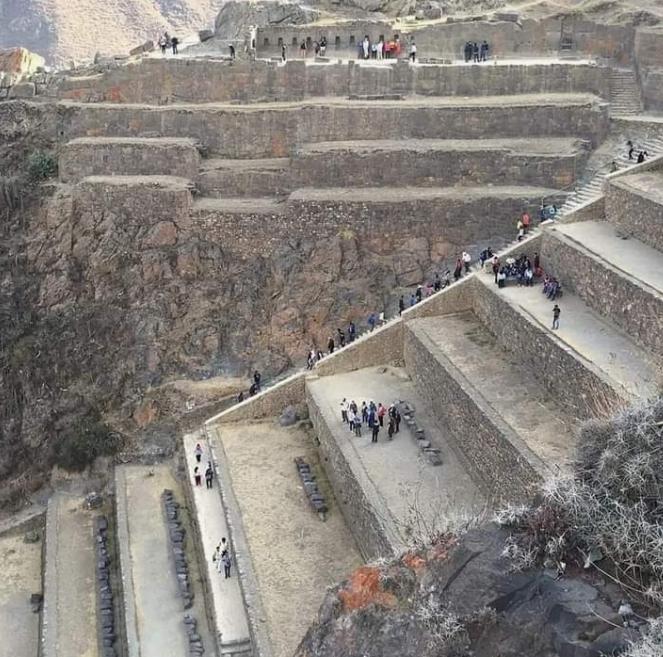
Megaliths That Defy Explanation
Some stones at Ollantaytambo weigh over 100 tons, transported across rivers and steep terrain without wheels, iron tools, or animals of burden. Each block is cut with millimeter precision and fitted together without mortar. Many stones have strange protrusions and indentations, suggesting advanced building techniques still unexplained today.
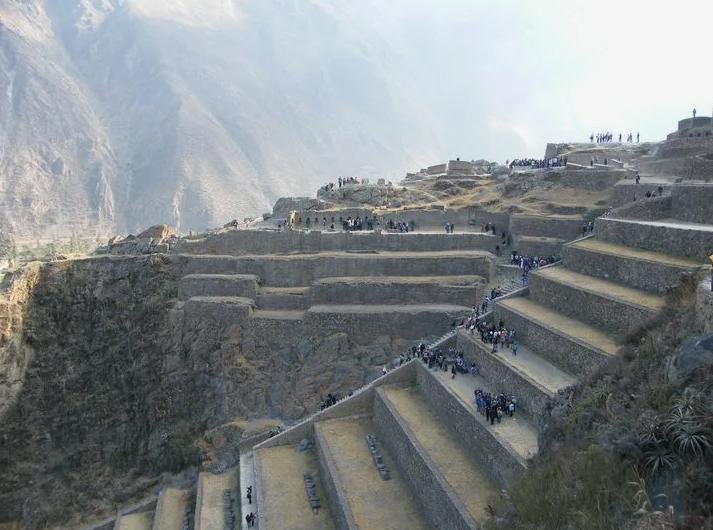
The Mysterious Temple of the Sun
The site’s crown jewel is the Temple of the Sun, where six colossal monoliths form a wall that aligns perfectly with the winter solstice sunrise. Evidence suggests construction was abandoned mid-process during the Spanish invasion, leaving massive stones scattered at the mountain’s base.
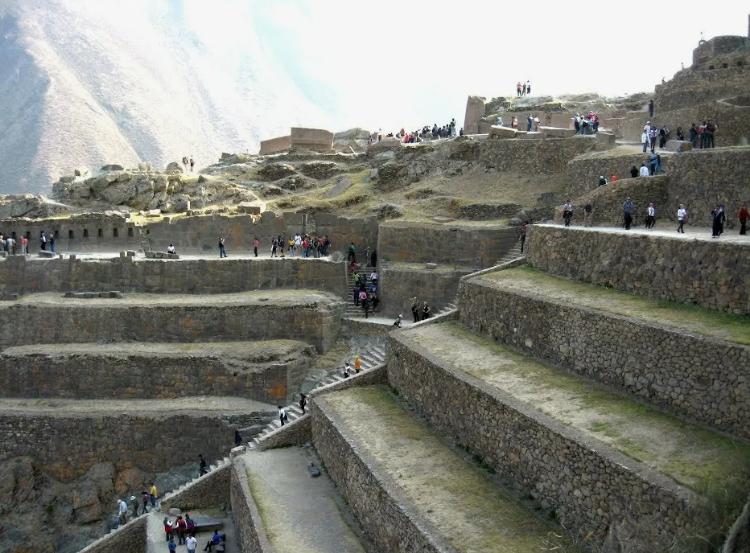
Legends and Theories
While scholars credit the Incas, some believe Ollantaytambo could be the work of an older civilization—or even lost technologies. Theories range from sound-based stone shaping to extraterrestrial involvement, but no explanation fully accounts for its precision.
A Timeless Wonder of Peru
Today, Ollantaytambo is a must-visit destination for travelers exploring Machu Picchu and the Sacred Valley. It stands as a testament to Incan genius and a mystery that continues to intrigue scientists, historians, and adventurers alike.
Leave a Reply