
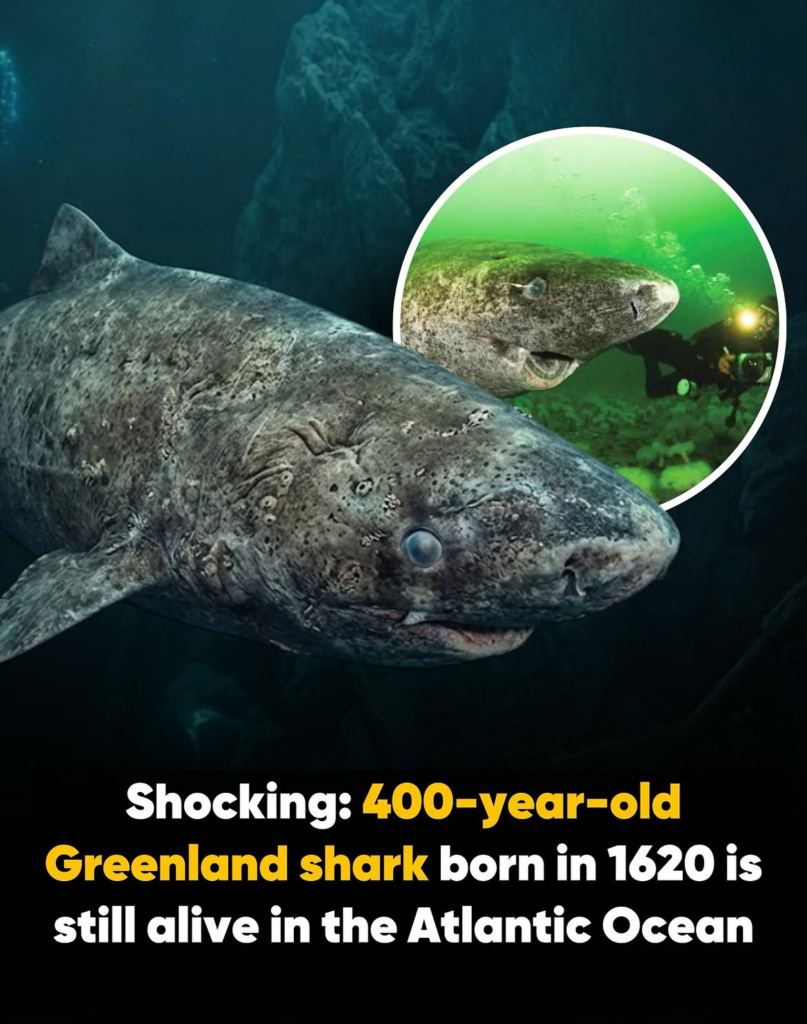
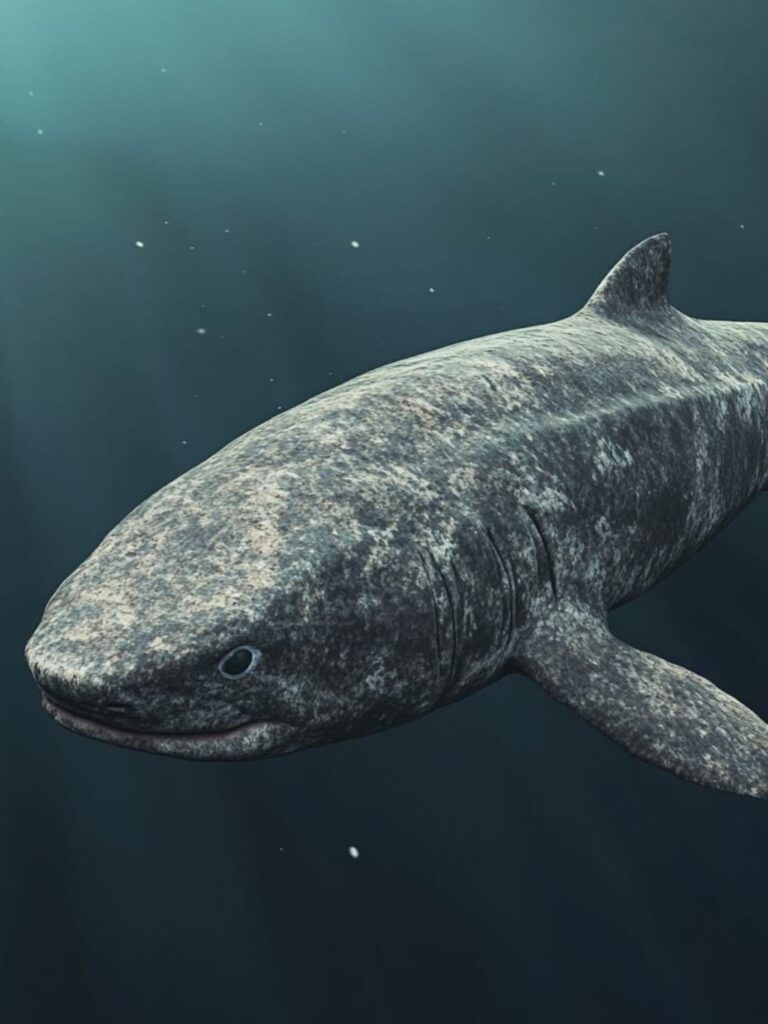
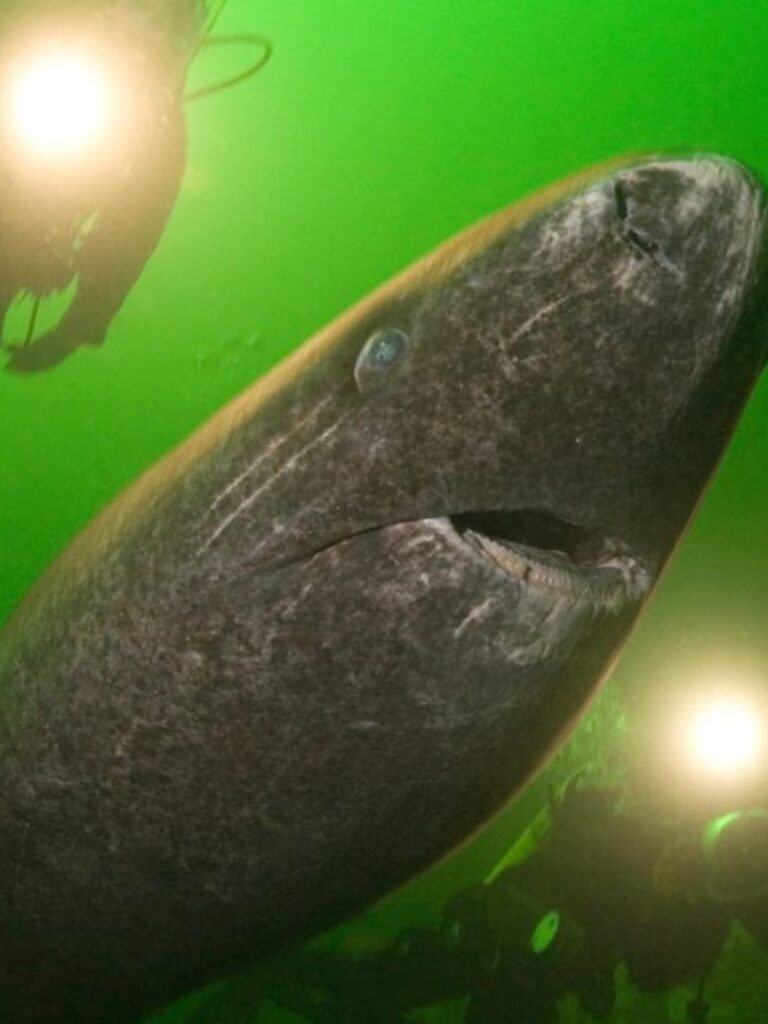
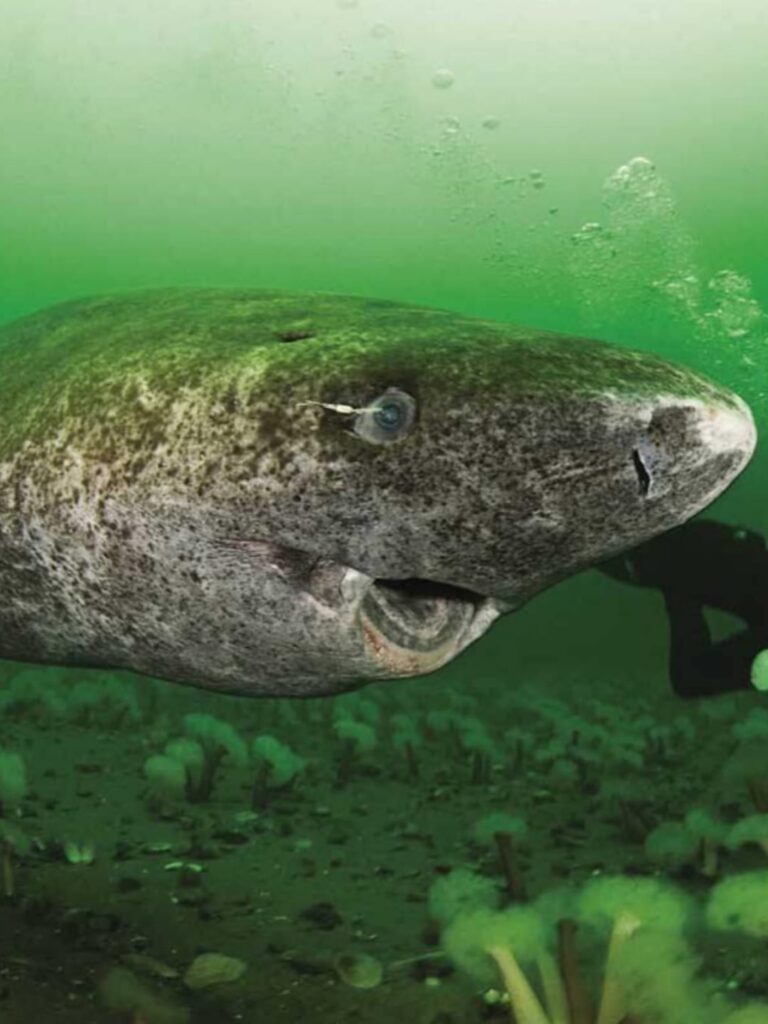
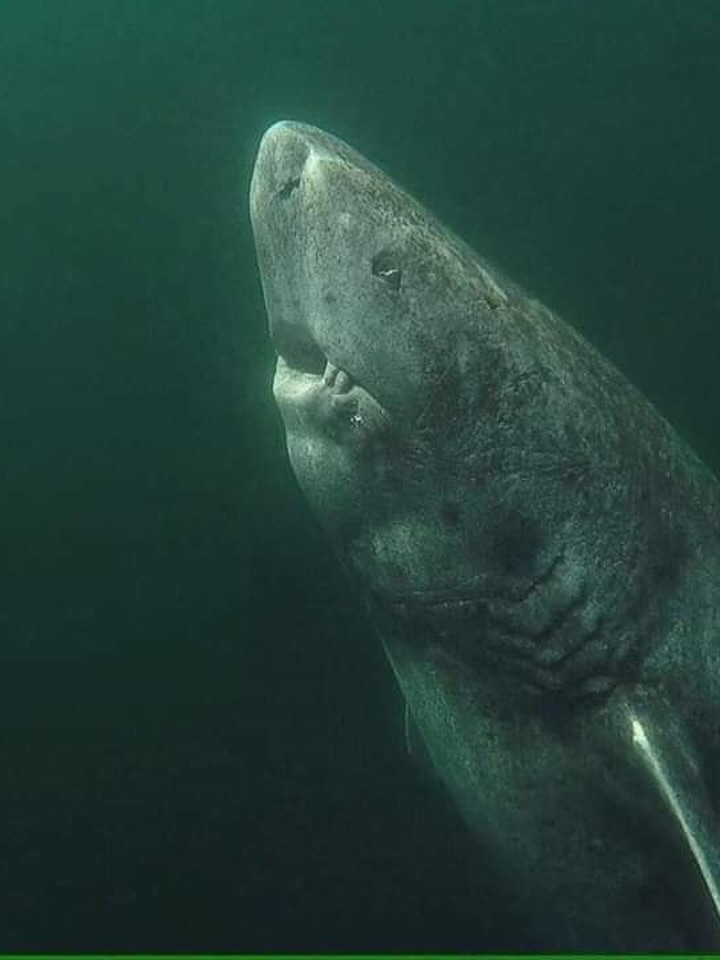
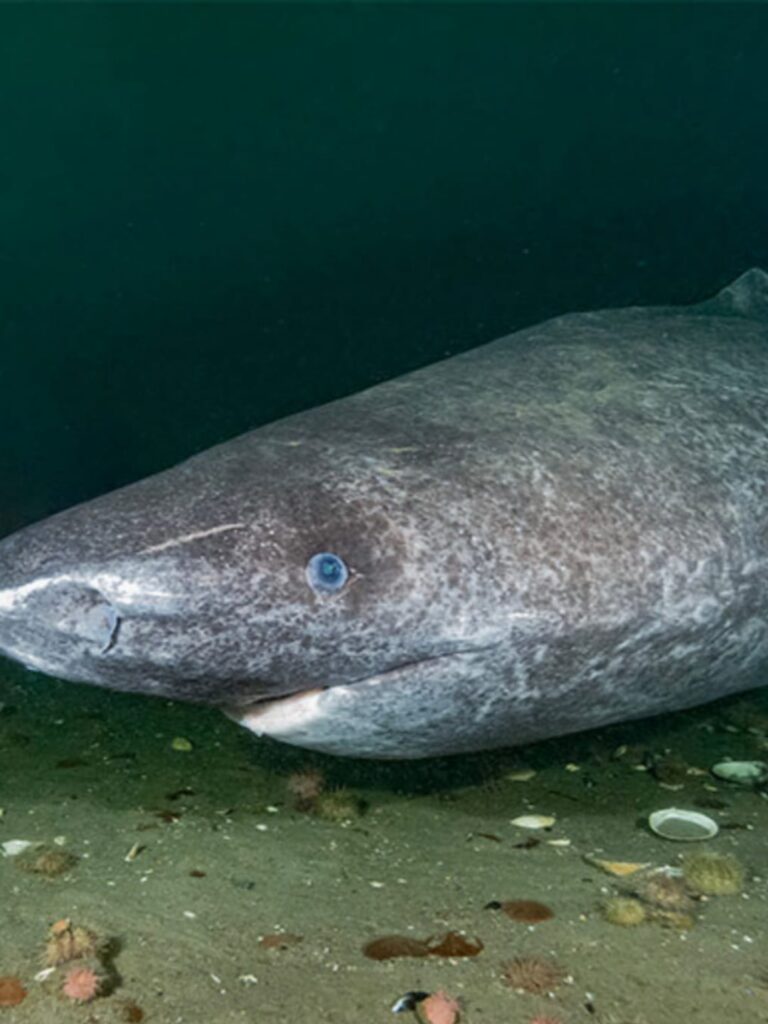
A groundbreaking scientific discovery has revealed a staggering secret: the Greenland shark, a creature of the deep, may be the longest-living vertebrate on Earth. According to a study led by marine biologist Julius Nielsen of the University of Copenhagen, published in the journal Science, these enigmatic creatures could be up to 500 years old.

A Lifespan Beyond Imagination
Using radiocarbon dating techniques on eye tissue, Nielsen’s team estimated the ages of 28 Greenland sharks, finding that one female specimen could be as old as 400 years. This astonishing longevity surpasses the previous vertebrate record holder — a bowhead whale estimated at 211 years old.
The Slowest of Giants
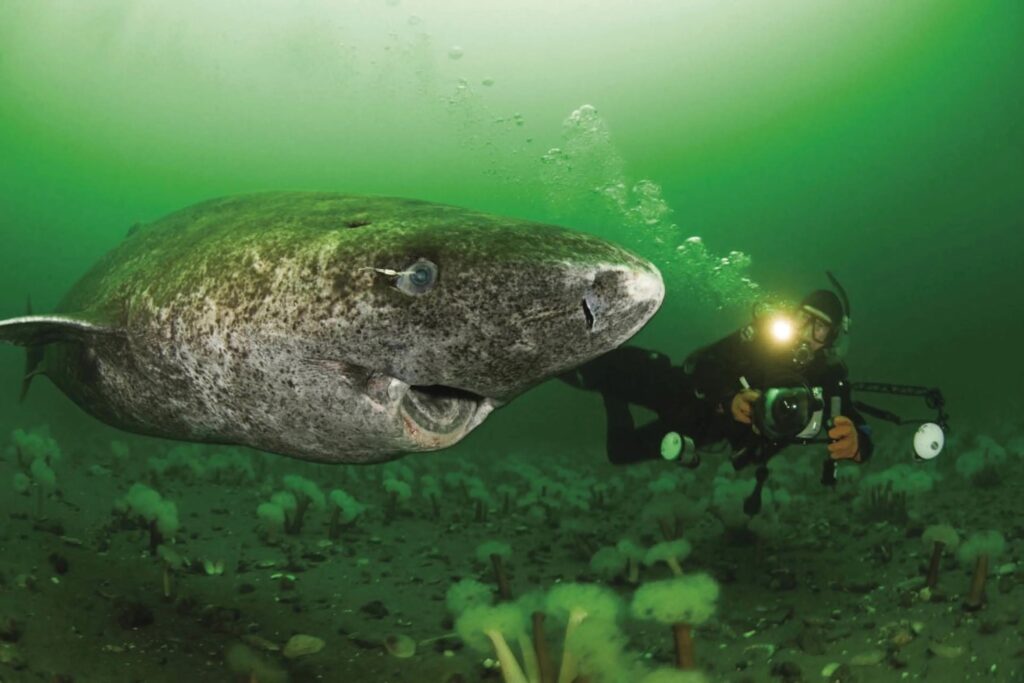
Greenland sharks are not only ancient but also incredibly slow-moving. They inhabit the frigid waters of the Arctic and North Atlantic, gliding through the depths at a leisurely pace. This sluggish lifestyle, combined with their cold-water environment, is one of the leading theories for their remarkable lifespan.
A Century to Mature
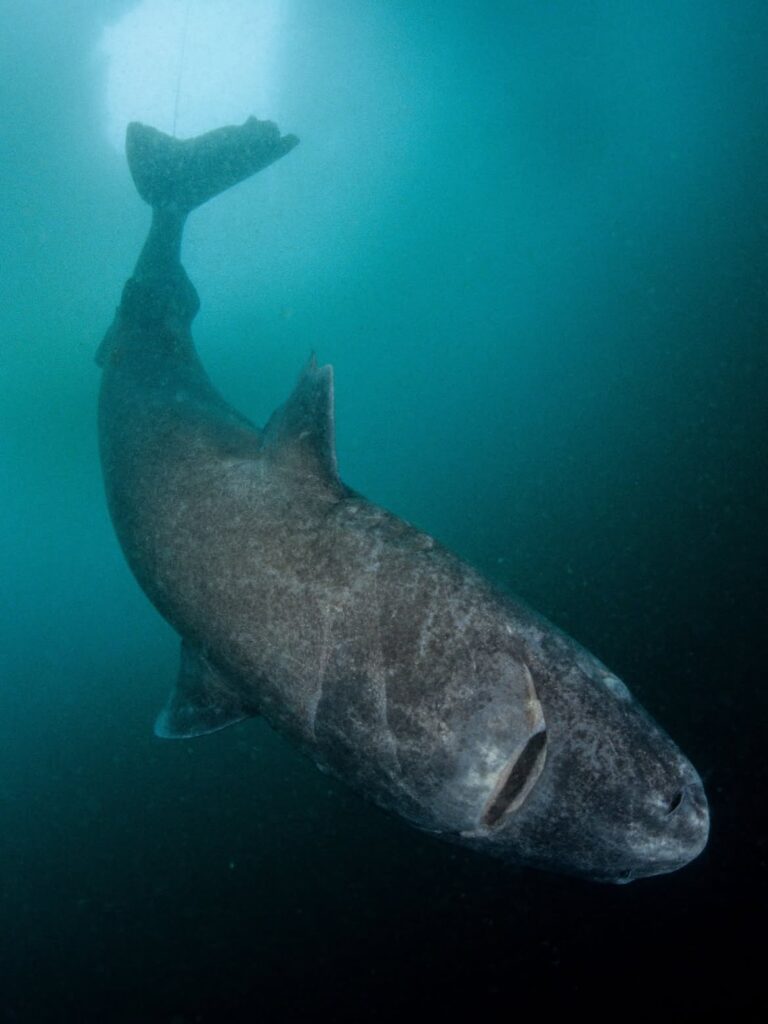
These ancient creatures take an exceptionally long time to reach adulthood. Based on their slow growth rate of roughly 1cm per year, researchers estimate Greenland sharks don’t reach sexual maturity until they’re around 150 years old.
How Radiocarbon Dating Revealed Their Age
The research team measured radiocarbon levels in the eye tissue (specifically the lens nucleus, which stops updating after formation) of the sharks. Atmospheric nuclear weapons testing in the 1960s released large amounts of radiocarbon into the ocean, which was absorbed by marine life. Sharks with higher radiocarbon levels in their eye tissue were born after this “bomb pulse” and were determined to be younger than 50 years old, while those with lower levels were estimated to be considerably older — a technique Nielsen’s team combined with known growth-rate data to calculate final age ranges.
A 95% Confidence Level
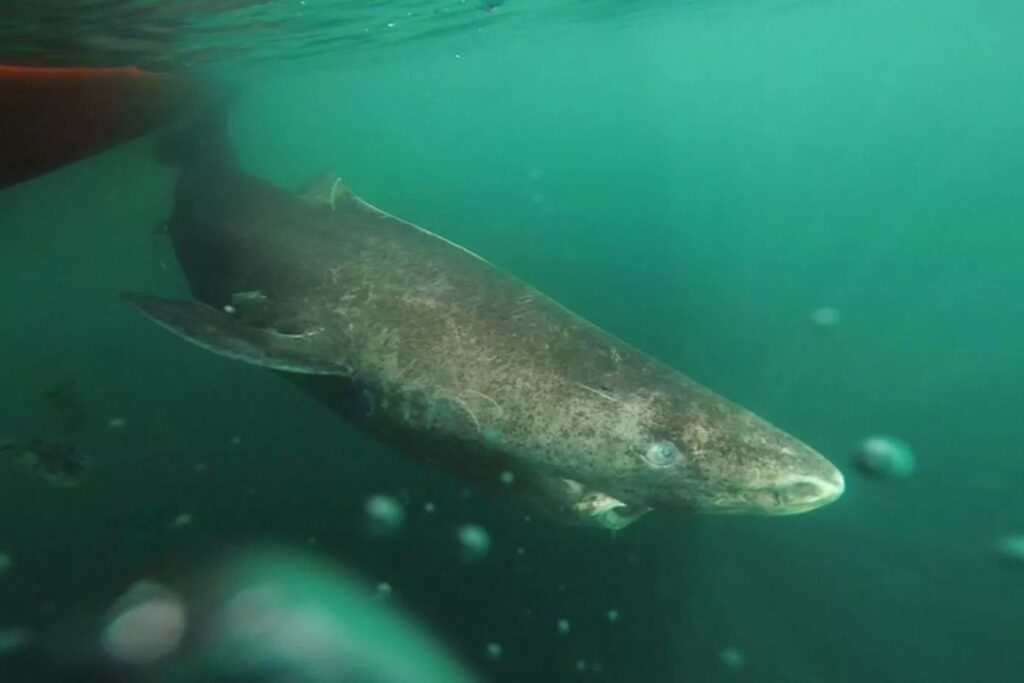
The study concluded that the Greenland sharks examined were at least 272 years old, and could potentially be as old as 512 years. At a 95% confidence level, the most likely age was around 390 years — meaning the oldest specimen studied could have been born as early as the 1600s, before the invention of the telescope.
Why Do Greenland Sharks Live So Long?
Researchers point to a few compounding factors:

- Slow metabolism — their sluggish lifestyle and cold environment translate to an extremely low metabolic rate, which is strongly linked to longevity across many animal species.
- Cold, stable waters — the frigid Arctic and North Atlantic environment slows tissue degradation and cellular aging processes.
- Low predation and low reproductive urgency — apex predators with few natural threats tend to evolve toward slower life histories, trading fast reproduction for a longer lifespan.
Where Scientists Are Taking This Research Next
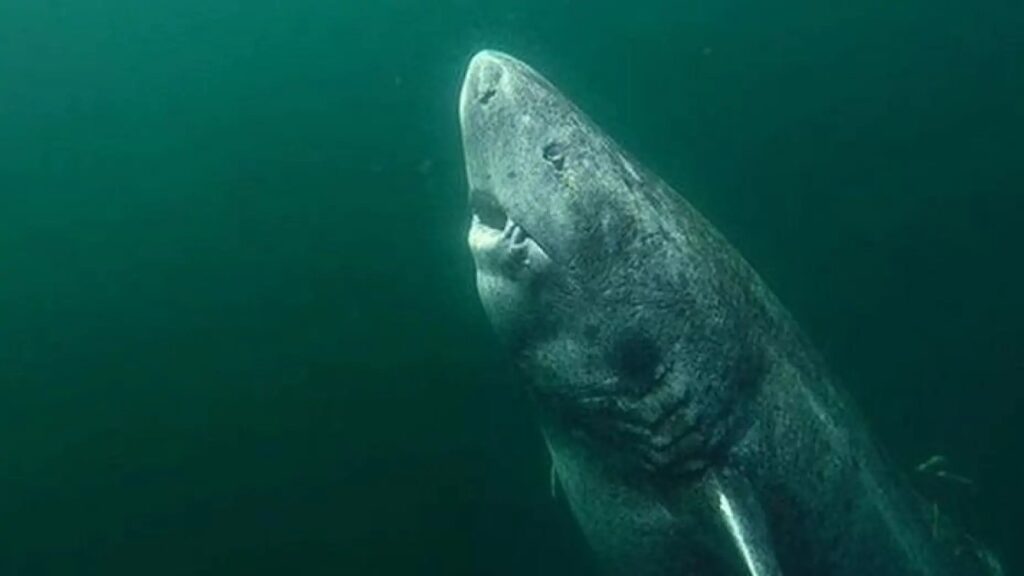
Since the original 2016 study, marine biologists have continued studying Greenland shark populations to understand what their extreme longevity might reveal about aging more broadly. Comparative longevity research — looking at species like Greenland sharks, bowhead whales, and certain deep-sea corals — is an active area of interest for researchers studying the biology of aging in general, not just in marine animals.
For anyone interested in following this kind of research, the University of Copenhagen’s Vertebrate Genomics Lab and the Greenland Institute of Natural Resources periodically publish updates on ongoing shark tagging and tracking programs.
Frequently Asked Questions
How accurate is the 500-year age estimate? The radiocarbon dating method has a wide margin of error at extreme ages — the 95% confidence range spans 272 to 512 years — so 390 years is treated as the most statistically likely figure rather than a precise count.
Are Greenland sharks endangered? They’re currently listed as Vulnerable by the IUCN, partly because their extremely slow reproduction rate means populations recover very slowly from overfishing or bycatch.
Do Greenland sharks pose a threat to humans? No confirmed attacks on humans have been recorded. Their slow swimming speed and deep, cold-water habitat mean encounters are extremely rare.
Where can I see a Greenland shark? They’re rarely seen alive by the public, as they typically inhabit depths of 200–2,000 meters. Most sightings come from research expeditions or, occasionally, specialized dive operators in Arctic Canada and Norway during colder months when the sharks move into shallower water.
Leave a Reply