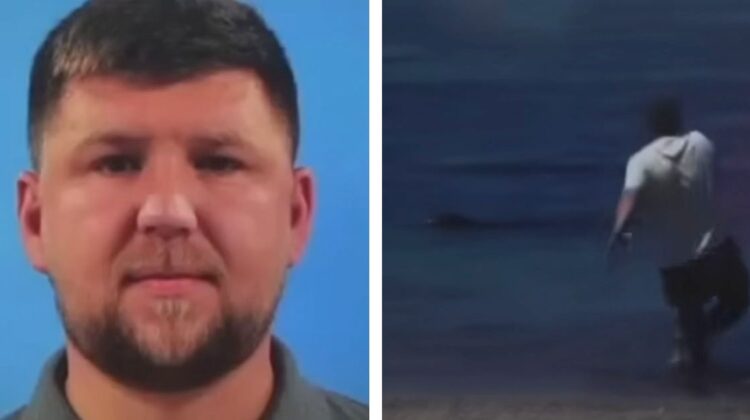
A man accused of throwing a rock near an endangered Hawaiian monk seal has said he never intended to harm the animal, as public backlash over the incident continues to intensify.
The case gained widespread attention after video footage showed Igor Lytvynchuk throwing a rock in the direction of a Hawaiian monk seal resting along the shoreline. The animal was later identified by local residents as Lani, a well-known seal that has become a symbol of resilience for many in Hawaii following the devastating Lahaina wildfires of 2023.
Authorities subsequently arrested Lytvynchuk in Seattle and charged him with harassing and attempting to harass a protected Hawaiian monk seal under federal wildlife protection laws, including the Endangered Species Act and the Marine Mammal Protection Act.
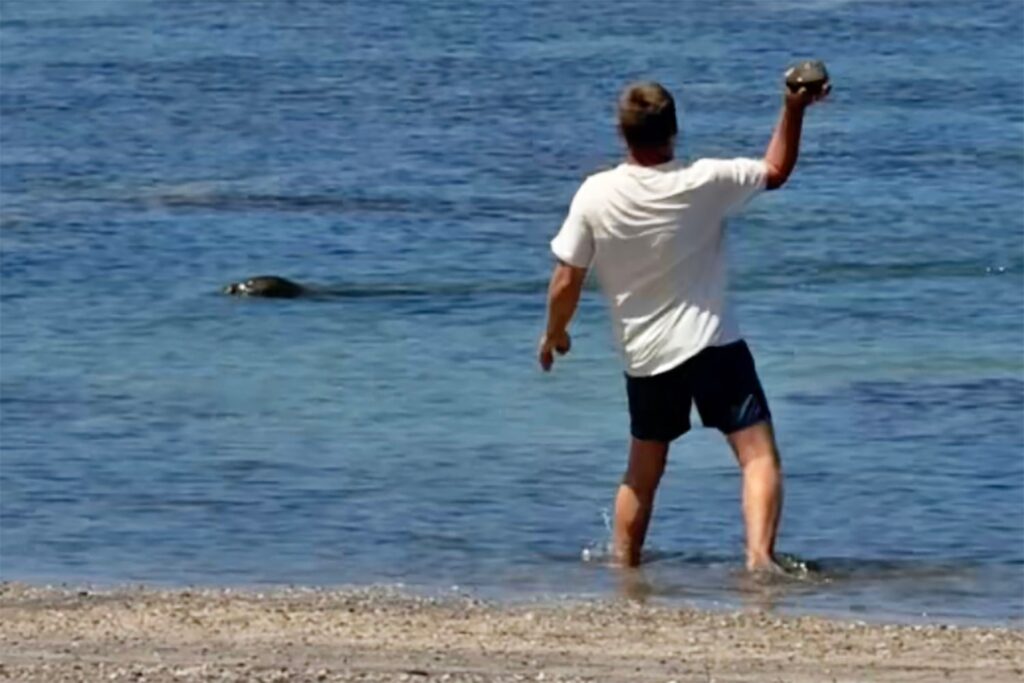
The incident sparked strong public reaction online and beyond. Reports indicate that Lytvynchuk has faced widespread criticism, received threatening messages and experienced ongoing harassment since the video circulated.
Speaking through his attorney, Lytvynchuk acknowledged his actions but insisted he had not intended to injure the seal.
His lawyer said the 38-year-old believed he was helping nearby sea turtles and misunderstood the behavior of the marine mammal. According to the attorney, Lytvynchuk was unfamiliar with the protected status and cultural significance of Hawaiian monk seals and mistakenly believed he was preventing the animal from disturbing turtles in the area.
The lawyer further argued that Lytvynchuk’s previous experiences with aggressive marine animals while fishing may have influenced his reaction.
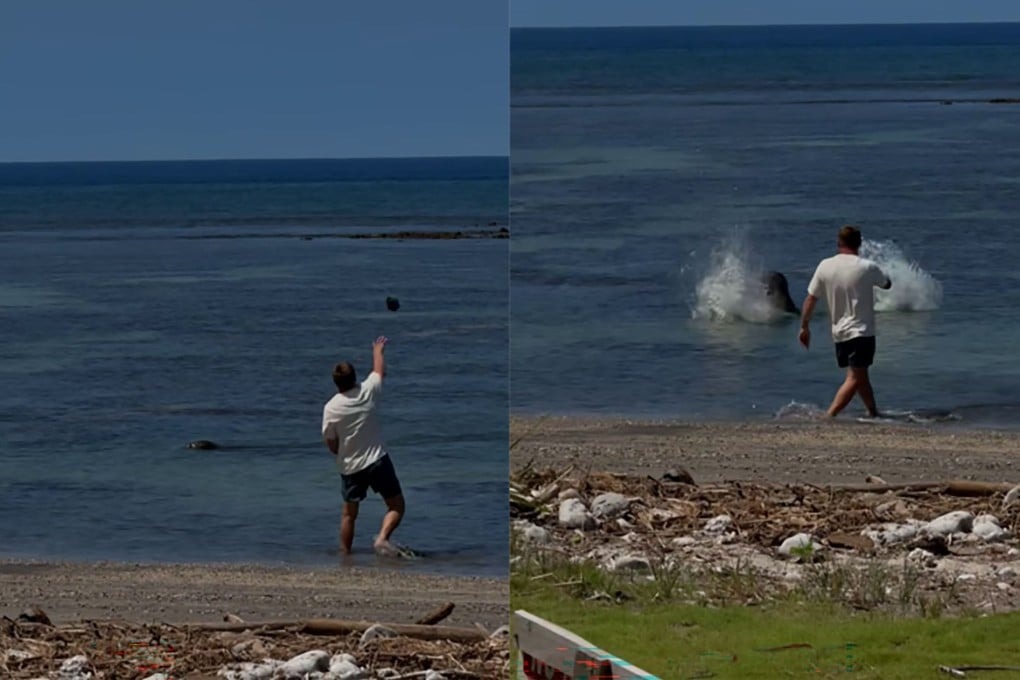
Despite the explanation, the incident has continued to generate criticism from wildlife advocates and members of the public, many of whom argue that protected species should be left undisturbed in their natural habitat.
The case remains under legal review as federal authorities continue their investigation.
Hawaiian monk seals are among the rarest marine mammals in the world and are protected under strict federal conservation laws. Wildlife experts stress that approaching, feeding, chasing or disturbing endangered marine species can result in significant legal penalties, including fines and criminal charges. Conservation programs across the United States continue to invest in marine wildlife protection, habitat preservation and endangered species recovery efforts to ensure vulnerable populations can survive for future generations.
Leave a Reply