
People who fish for fun often like to tell concerned animal welfare advocates that in fact, fish can’t feel pain or have no nerves in their mouths. However, in a new review published in Philosophical Transactions of the Royal Society B, Lynne Sneddon of Liverpool University dispels this myth, pointing out that our oceans’ scaly inhabitants feel pain similarly to how we do.
Marine shiner perch, which feed using a suction technique, feed less after being caught with a fishing hook than when caught in a harmless way. Goldfish zapped with electric shocks in a part of their tank where they are accustomed to feeding will avoid the area for three days, highlighting pain’s lasting effects. Extreme heat has a negative effect on zebrafish and goldfish behavior, which is alleviated with pain relief drugs.
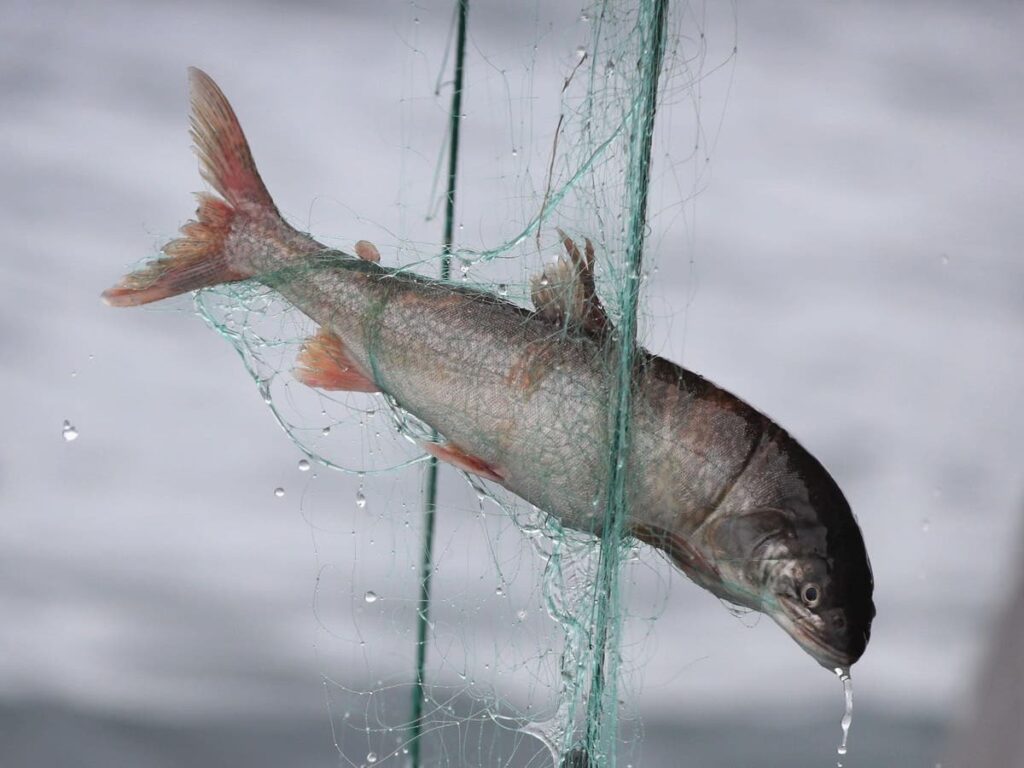
Various fish species have been observed to change their behavior after a painful experience. For example, they might become less active, stop feeding, hyperventilate, or even rub the affected area on something, just as we might rub a sore finger.
“When the fish’s lips are given a painful stimulus they rub the mouth against the side of the tank much like we rub our toe when we stub it,” Sneddon said in a statement.
These reactions to pain are costly to the fish as it consumes less food and uses up energy attempting to mitigate the pain. Changes in behavior after painful experiences are weakened when painkillers are given to the fish, showing that pain is the cause of any behavioral oddities.
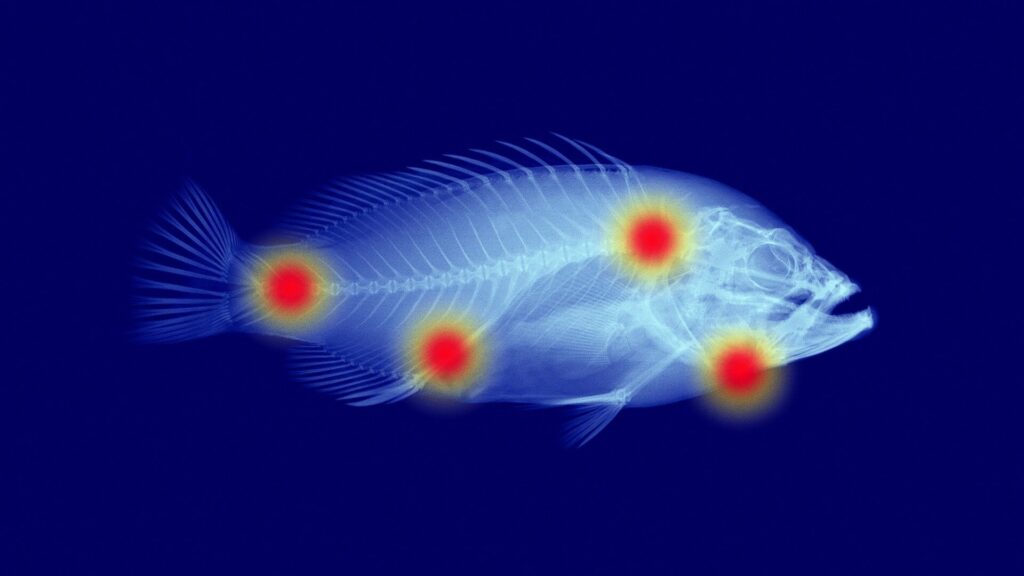
Sneddon notes that while fish and mammals share similarities when it comes to pain, fish live in a different environment from terrestrial mammals and are therefore exposed to different pain-inducing hazards. For example, on the ground gravity poses a risk as we might fall over and injure ourselves. However, many fishes have swim bladders, which allow them to control their buoyancy. So, tripping over and banging your head isn’t a concern for a fish. Still, Sneddon writes that it would be interesting to investigate pain reception in fish that live on the ocean floor.
Sneddon notes the importance of being aware that fish feel pain like mammals do in terms of animal welfare. “If we accept fish experience pain, then this has important implications for how we treat them. Care should be taken when handling fish to avoid damaging their sensitive skin and they should be humanely caught and killed,” she said.
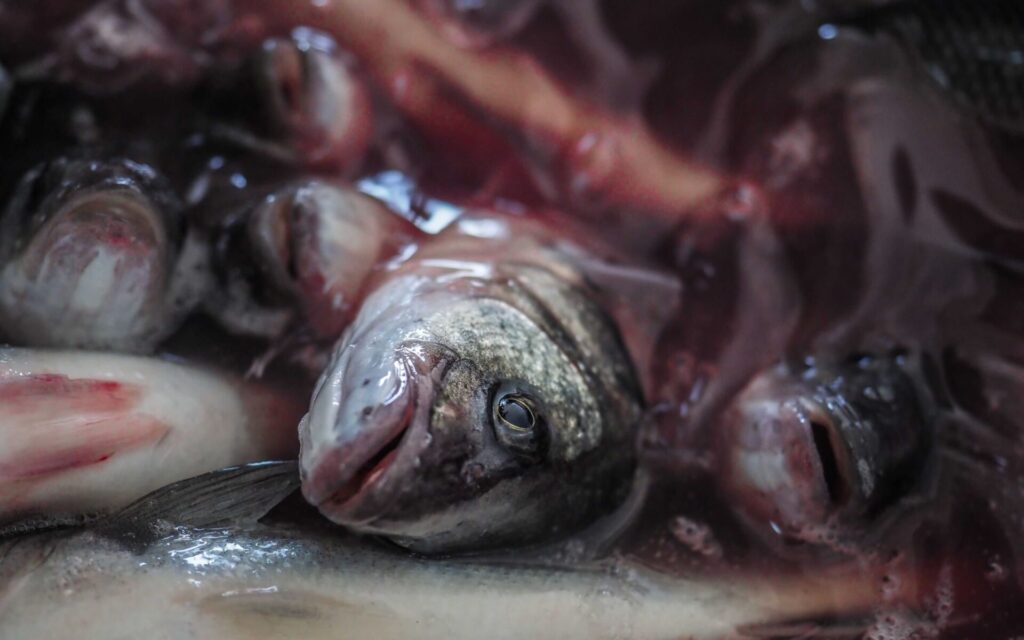
Because we are so different from fish, we often underestimate them. No, a goldfish’s memory doesn’t last three seconds, it actually lasts for around five months. Meanwhile, fish are actually quite a bit smarter than we give them credit for. Last year, bluestreak cleaner wrasse joined the handful of mammals that have passed the mirror test, meaning they recognized themselves in a mirror. This might not sound like much but it suggests self-awareness, a hallmark of intelligence.
It seems fish are more similar to us than we like to believe.
Leave a Reply