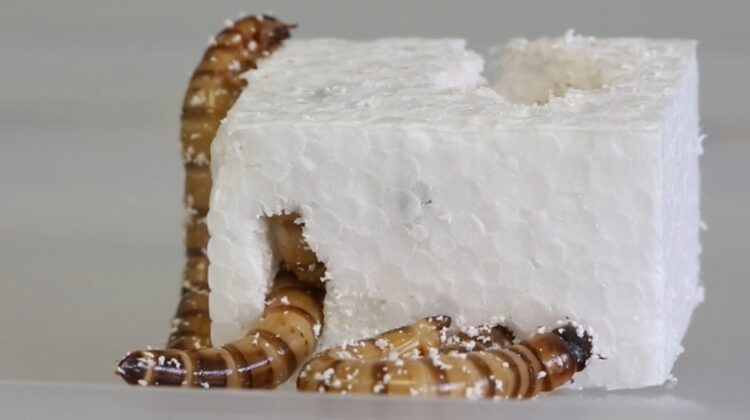
Scientists have made a groundbreaking discovery that could potentially provide a solution to the escalating crisis of plastic waste plaguing our planet. With the production of over 300 million tons of plastic each year, half of which is intended for single use and often unrecyclable, the problem has reached alarming proportions. The International Union for Conservation of Nature estimates that a staggering 14 million tons of plastic find their way into our oceans annually, posing a grave threat to marine life.
Amidst this dire situation, researchers at the University of Queensland have made an astonishing revelation: the larvae of darkling beetles, commonly known as superworms, can survive on polystyrene, a prevalent form of plastic waste found in landfills. Measuring between 1.7 and 2.25 inches (50-60 millimeters) in length, superworms are often used as food for reptiles and birds. In Thailand and Mexico, they are even consumed by people due to their high protein content, amino acids, vitamins, and minerals, making them a potential superfood. However, it is their unique ability to consume plastic that has garnered significant attention.
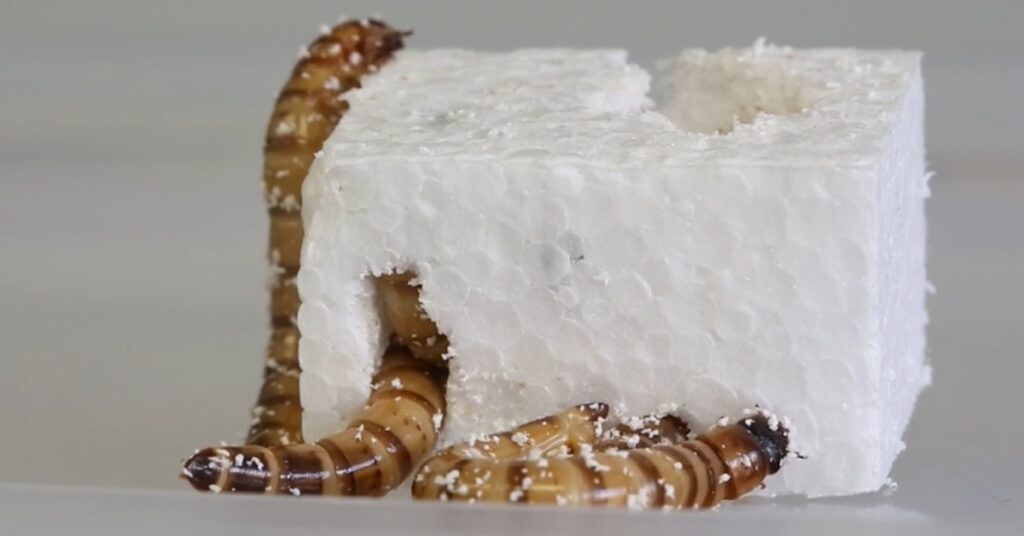
The groundbreaking study, published in the journal Microbial Genomics and led by Dr. Chris Rinke and his team from the School of Chemistry and Molecular Biosciences, builds upon previous findings that smaller waxworms and mealworms possess plastic-eating properties. To investigate whether superworms could consume even larger amounts of polystyrene, the researchers fed the larvae with different diets over a three-week period. One group was given bran as a control, another was fed styrofoam, and a third group was subjected to a fasting diet.
The results were astounding. Dr. Rinke revealed, “We found the superworms fed a diet of just polystyrene not only survived, but even had marginal weight gains. This suggests the worms can derive energy from the polystyrene, most likely with the help of their gut microbes.” While the superworms that consumed styrofoam managed to survive, with 66% of them developing into adult beetles (compared to 90% of those fed bran), tests uncovered a decline in microbial diversity in their guts, along with the presence of potential pathogens. This indicates that although they can subsist on styrofoam, it is not an optimal diet for their overall well-being.
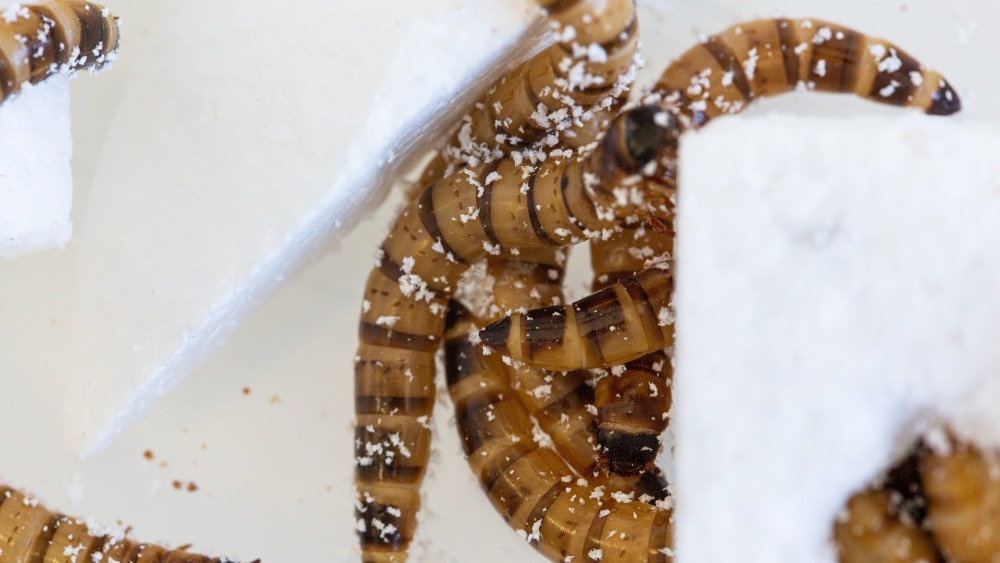
Rather than focusing on the prospect of establishing vast superworm farms, Dr. Rinke and his team are directing their attention to the bacterial enzyme present in these remarkable creatures. It is this enzyme that enables them to break down plastic. The ultimate goal is to engineer a solution whereby plastic can be degraded in recycling plants through mechanical shredding, followed by enzymatic biodegradation.
Moving forward, the researchers plan to cultivate the bacteria in a laboratory setting and assess its effectiveness in breaking down polystyrene to a greater extent. Subsequently, they will explore the possibilities of implementing this method in a large-scale recycling plant. Dr. Rinke cautions that this process could take anywhere from five to ten years to fully develop and implement.
The discovery of plastic-eating superworms presents a glimmer of hope amidst the looming plastic waste crisis. With further research and development, the potential to harness the enzymatic power of these remarkable creatures could revolutionize plastic recycling methods and provide a sustainable solution to the ever-growing problem of plastic pollution. While challenges lie ahead, the perseverance and dedication of scientists continue to inspire optimism for a cleaner and greener future.
Leave a Reply