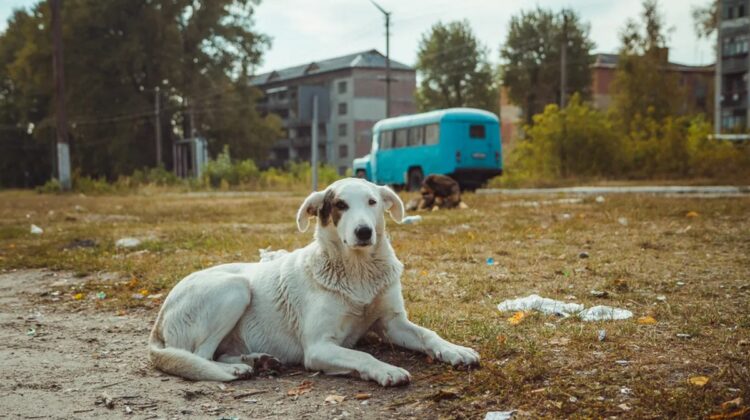
Although the dogs of Chernobyl are genetically distinct to others, they’re still very good boys.
The aftermath of the Chernobyl nuclear disaster on April 26, 1986, forced the evacuation of around 120,000 people from the surrounding areas, leaving behind their homes and even their beloved pet dogs. Against all odds, some of these canine companions managed to survive and establish a resilient population that continues to roam the irradiated lands surrounding the decaying power plant.
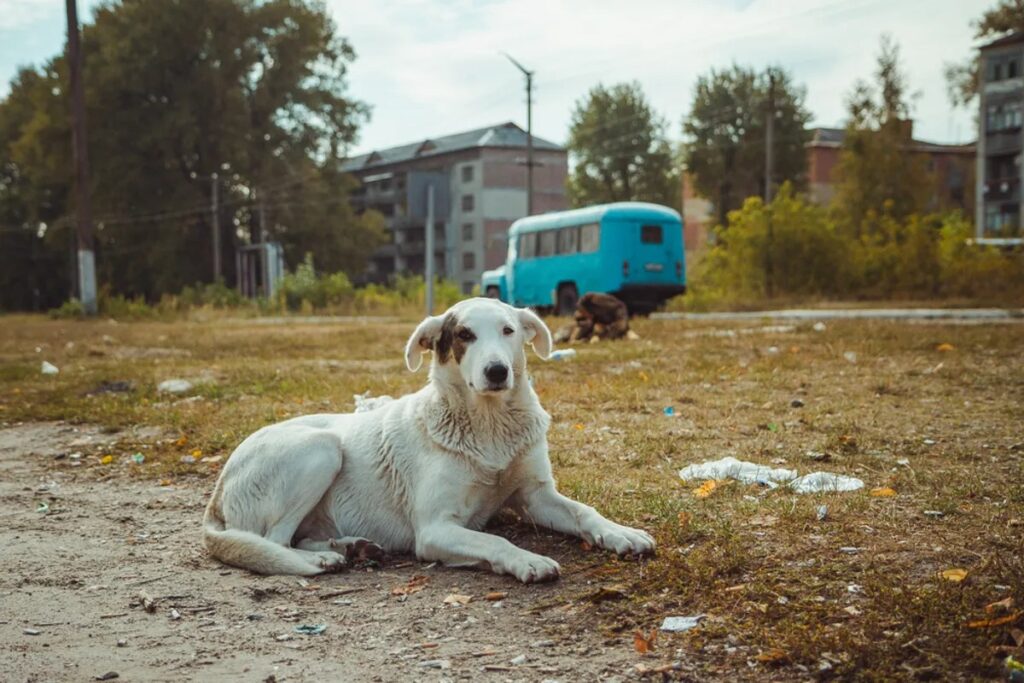
A recent study sought to shed light on the unique dog populations living in the shadow of Chernobyl, where exposure to harsh environmental contamination is a daily reality. By collecting blood samples from these free-wheeling dogs between 2017 and 2019, scientists conducted a genetic analysis of 302 individuals from populations within the power plant area and those 15 to 45 kilometers (9.3 to 27.9 miles) away from the disaster site.
The results were astonishing. The DNA of the dogs living close to Chernobyl displayed clear genetic differences from dogs residing elsewhere in the world. These distinctions, researchers believe, are a direct consequence of the ionizing radiation that has impacted these animals for generations.
The study revealed that the Chernobyl dog population comprises 15 distinct family structures, each unique compared to other dog groups. Despite their genetic differences, these resourceful dogs move freely between various areas and interbreed with one another, forming a complex network of relationships.
Elaine Ostrander, a geneticist at the NIH’s National Human Genome Research Institute, expressed her amazement at the study’s findings, emphasizing the remarkable resilience of dogs as a species. Ostrander also pointed out that the current dogs living in the exclusion zone are likely descendants of pets left behind when their owners fled after the explosion.
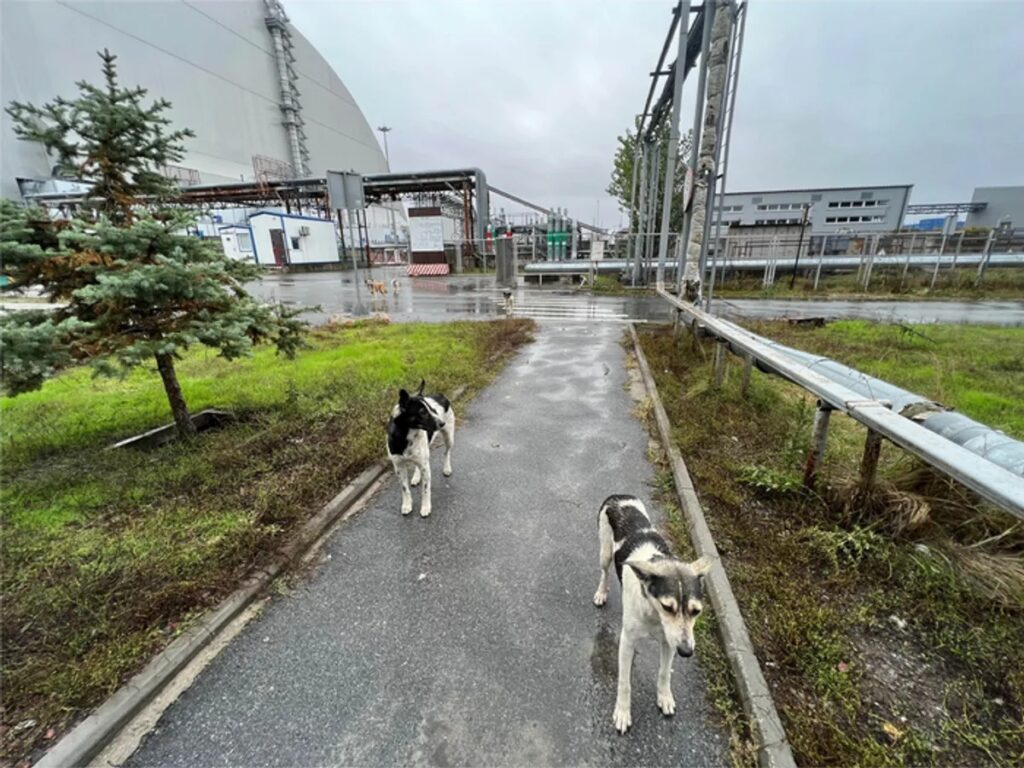
Estimates suggest that up to 800 semi-feral dogs now roam the Chernobyl lands, even in highly contaminated areas like the Chernobyl New Safe Confinement structure. The term “semi-feral” implies that these dogs occasionally interact with humans. Workers and researchers in the area often feed them, while veterinarians visit the zone to provide vaccinations and medical care when needed.
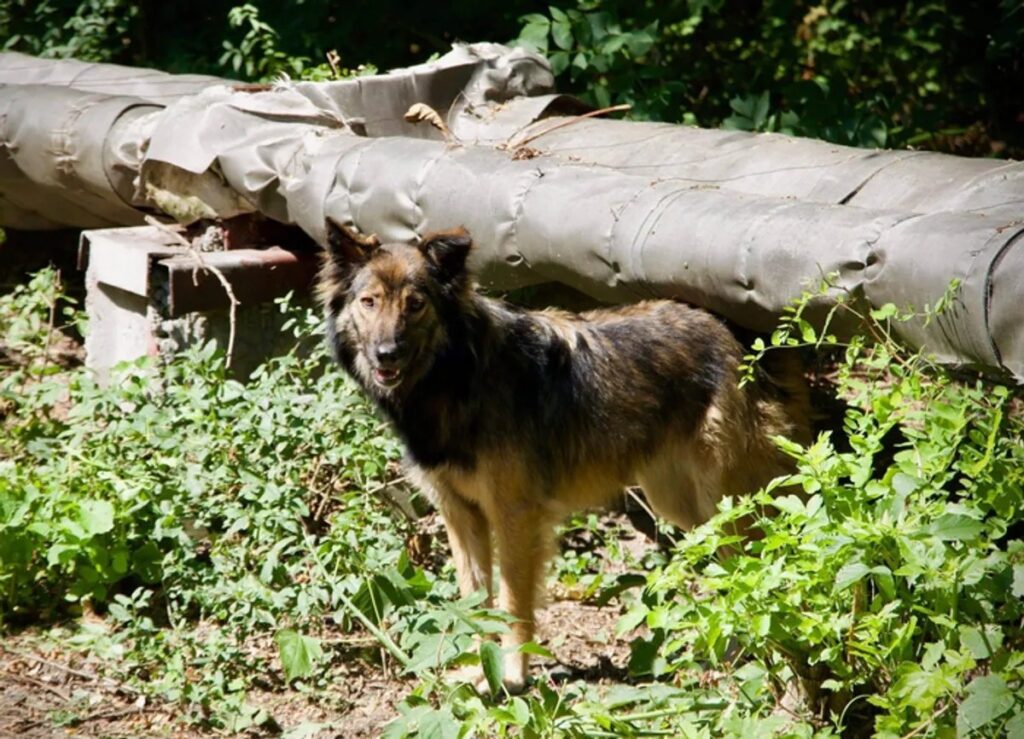
Now that researchers have demonstrated the ability to distinguish the different populations of Chernobyl dogs through genetic analysis, they hope to investigate how these genetic differences impact the health, appearance, and behavior of these canines. The study might also shed light on any genetic mutations that have helped these animals adapt and survive in the face of radiation.
Elaine Ostrander mentioned the researchers’ desire to identify DNA variants that have emerged over the 15 generations since the disaster, potentially contributing to their ability to thrive in high radiation environments.
As the research progresses, the team plans to delve deeper into the entire genome and its architecture to gain more insight into the genetic intricacies of these resilient dogs. This advanced genetic analysis, which has previously been applied to humans and lab animals, is now pushing the boundaries of what is possible and can be applied to various systems worldwide.
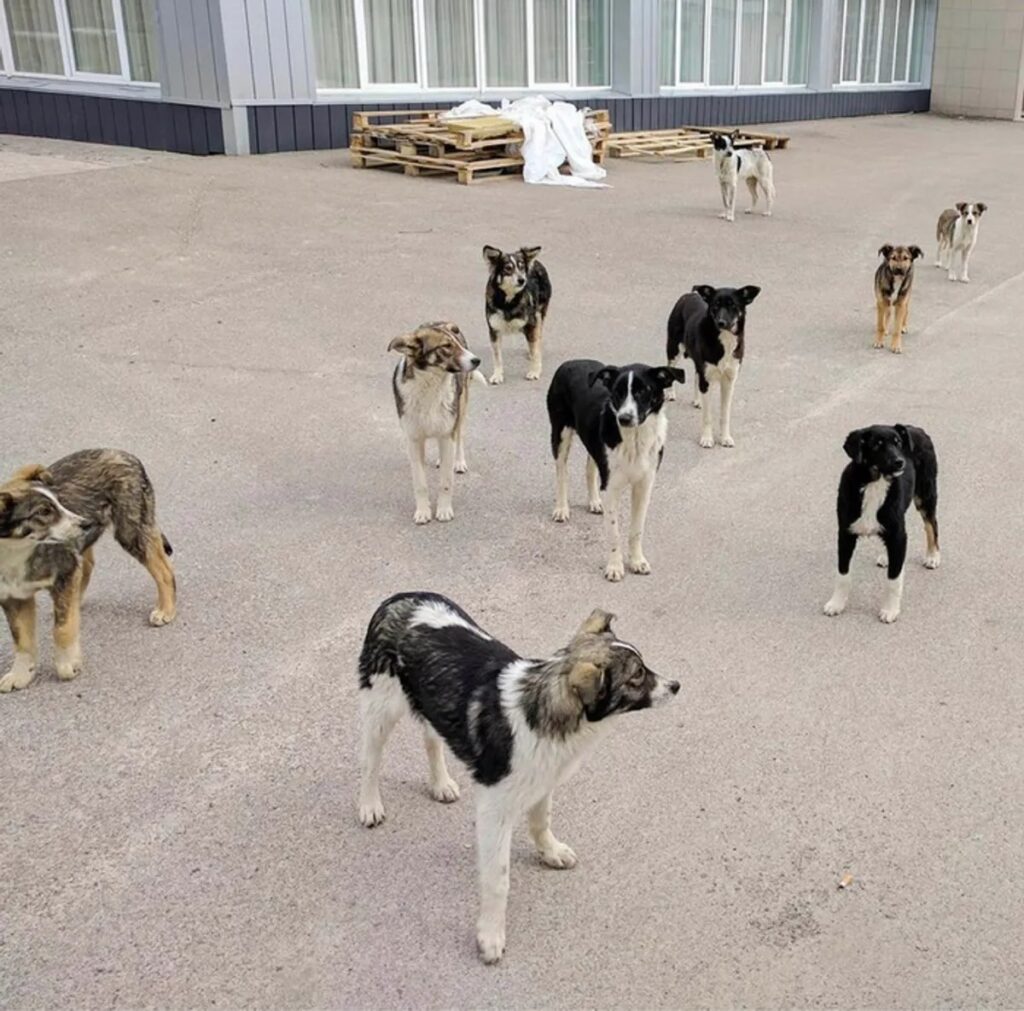
In conclusion, the dogs of Chernobyl have become genetically distinct from other dogs around the world due to their exposure to radiation and the unique circumstances they faced after the nuclear disaster. These resilient canines have not only survived but managed to thrive in their challenging environment, showcasing the incredible adaptability and resilience of the canine species. The ongoing research will continue to unveil the secrets hidden within their genetic makeup and provide valuable insights into their health, behavior, and evolutionary journey in the face of adversity.
Leave a Reply