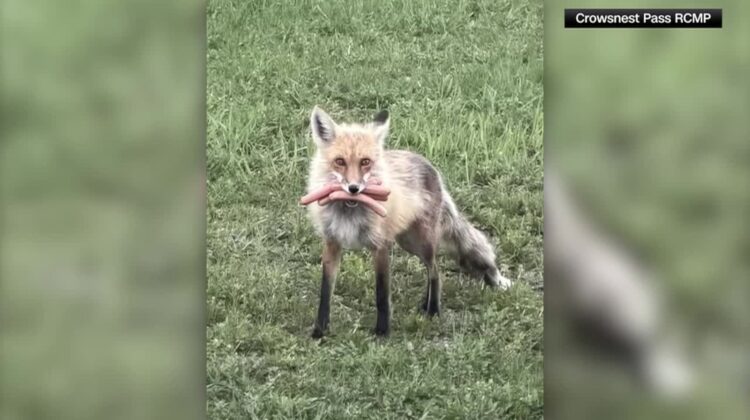
Police in Alberta, Canada, have shared an unusual wildlife encounter after an officer spotted a fox running through town with a surprising haul — several hot dogs clenched firmly in its mouth.
The incident took place in the Crowsnest Pass area when a member of the Royal Canadian Mounted Police (RCMP) noticed the red fox carrying what appeared to be five or six full-sized hot dogs while on patrol.
The animal quickly attracted attention after officers posted a photograph of the scene online, jokingly describing the fox as a suspect involved in a hot dog theft.
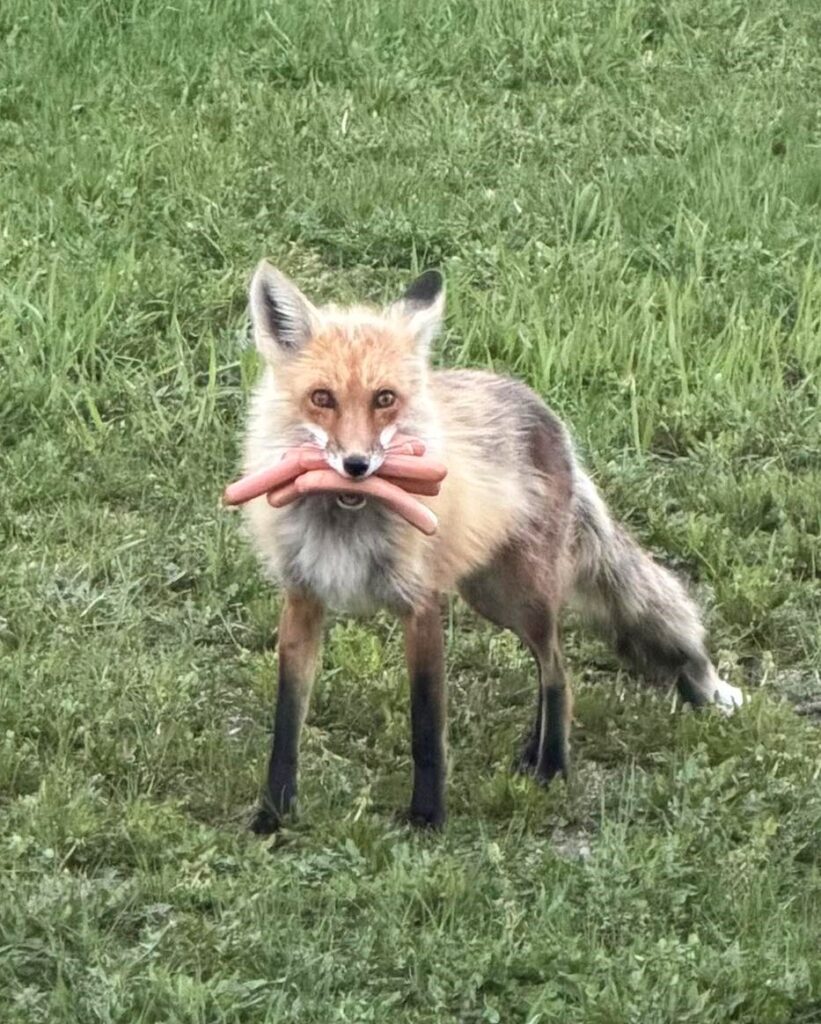
In a humorous social media post, police created a fictional account of the encounter, describing the suspect as having “red hair, short stature and a thick coat.” Officers added that the animal was later located attempting to hide the evidence before disappearing into nearby woodland.
The lighthearted post quickly gained attention online, with many social media users rushing to defend the fox.
Some suggested the animal may have been gathering food for its young, while others joked that there was no proof the hot dogs had been stolen at all.
Wildlife experts note that red foxes are highly adaptable omnivores known for taking advantage of easy food sources. Their diet includes small mammals, birds, insects, fruits and occasionally human food left unattended.
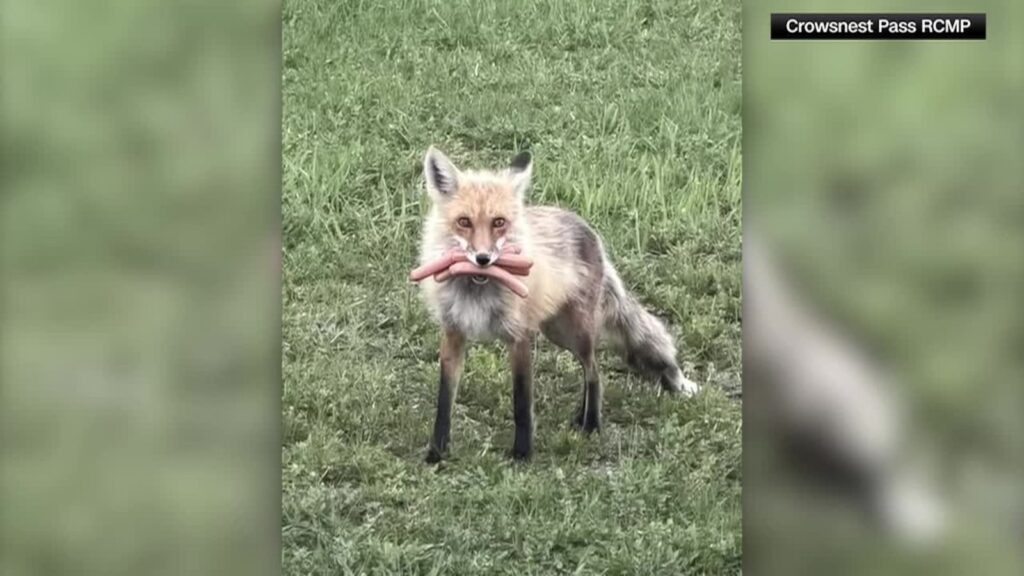
As breeding season often coincides with spring, the fox may have been collecting food to help feed hungry cubs waiting nearby.
While the identity of the hot dogs’ original owner remains a mystery, the furry suspect was never apprehended and was last seen heading into the forest with its unusual prize.
The story highlights how wildlife increasingly interacts with human communities as urban development expands into natural habitats. Experts say understanding animal behavior, habitat conservation and wildlife management is becoming more important than ever. From foxes and raccoons to bears and coyotes, encounters between people and wild animals continue to raise awareness about biodiversity, ecosystem protection and the long-term impact of environmental change on native species.
Leave a Reply