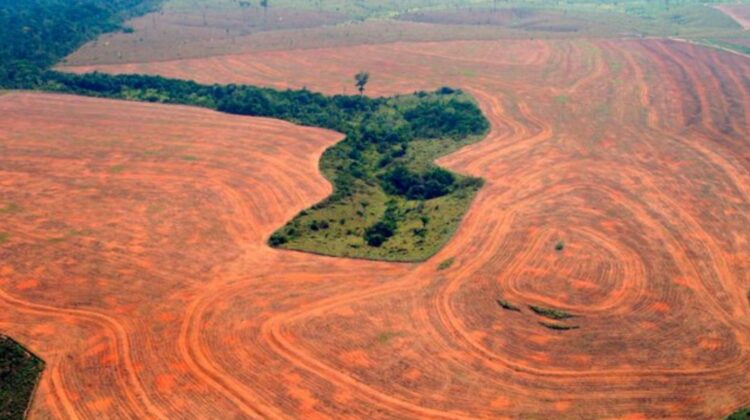
The latest edition of the World Wildlife Fund’s (WWF) Living Planet Report for 2022 reveals a devastating reality: monitored populations of vertebrates, including mammals, birds, amphibians, reptiles, and fish, have plummeted by an alarming average of 69% since 1970. The report paints an even grimmer picture for Latin America and the Caribbean, where wildlife populations have experienced a staggering decline of 94%. Moreover, freshwater species worldwide have suffered an 83% fall on average, indicating an urgent need for immediate action to secure a nature-positive society.
The Living Planet Report 2022 identifies various key factors contributing to this biodiversity crisis. Habitat loss, species overexploitation, invasive species, pollution, climate change, and diseases are among the primary drivers of the decline. To address these challenges effectively, the report emphasizes the importance of transforming economies to ensure the proper valuation of natural resources. Given that biodiversity loss and climate change share common underlying causes, addressing these twin crises requires comprehensive actions such as transforming food production and consumption, rapidly reducing emissions, and investing in conservation efforts.
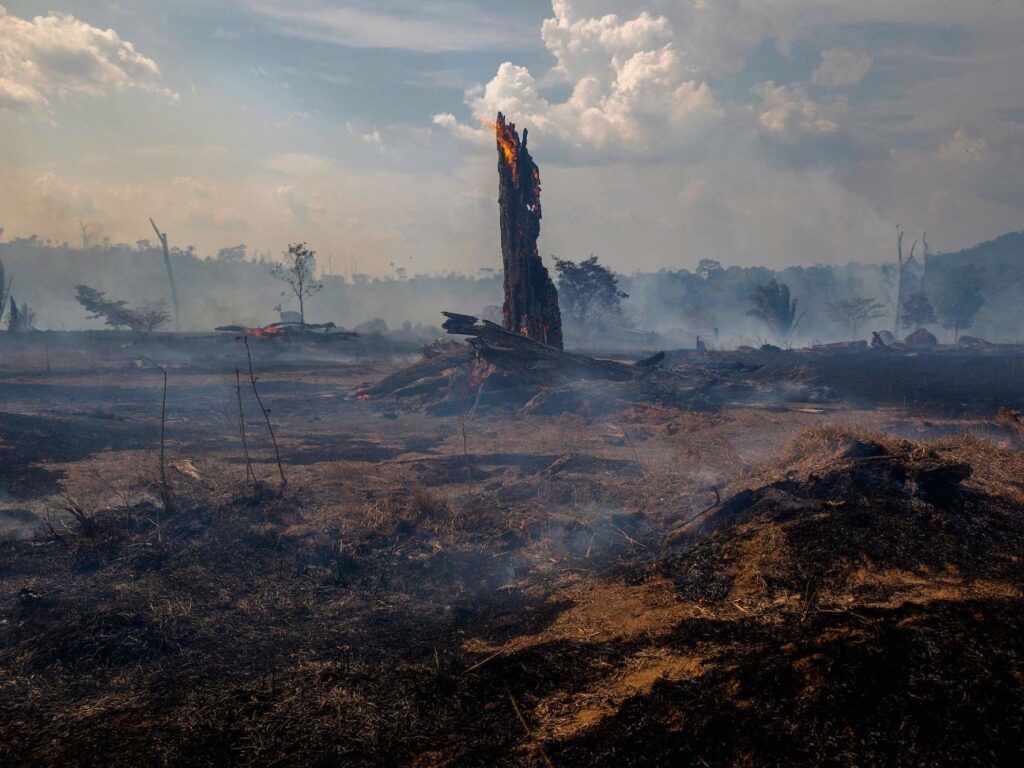
Carter Roberts, president and CEO of WWF-US, emphasizes the interconnectedness of nature and climate change, stating, “The world is waking up to the fact that our future depends on reversing the loss of nature just as much as it depends on addressing climate change. And you can’t solve one without solving the other. Everyone has a role to play in reversing these trends, from individuals to companies to governments.”
The decline in wildlife populations has severe implications for both human health and economies, as highlighted by Rebecca Shaw, global chief scientist of WWF. The unraveling of natural systems due to significant declines in wildlife populations disrupts habitats and threatens the availability of food and water resources. Protecting and conserving nature is crucial because these resources are essential for sustaining human life.
In December, world leaders will convene at the 15th Conference of Parties to the Convention on Biological Diversity (CBD COP15), presenting a once-in-a-decade opportunity to take corrective measures for the sake of both people and the planet. The involvement of the US government is crucial in ensuring the success of COP15 and the emerging 2030 Global Biodiversity Framework. By engaging diplomatically and providing new resources to help developing countries protect their biodiversity, the US can play a significant role in driving progress and encouraging other nations to follow suit.
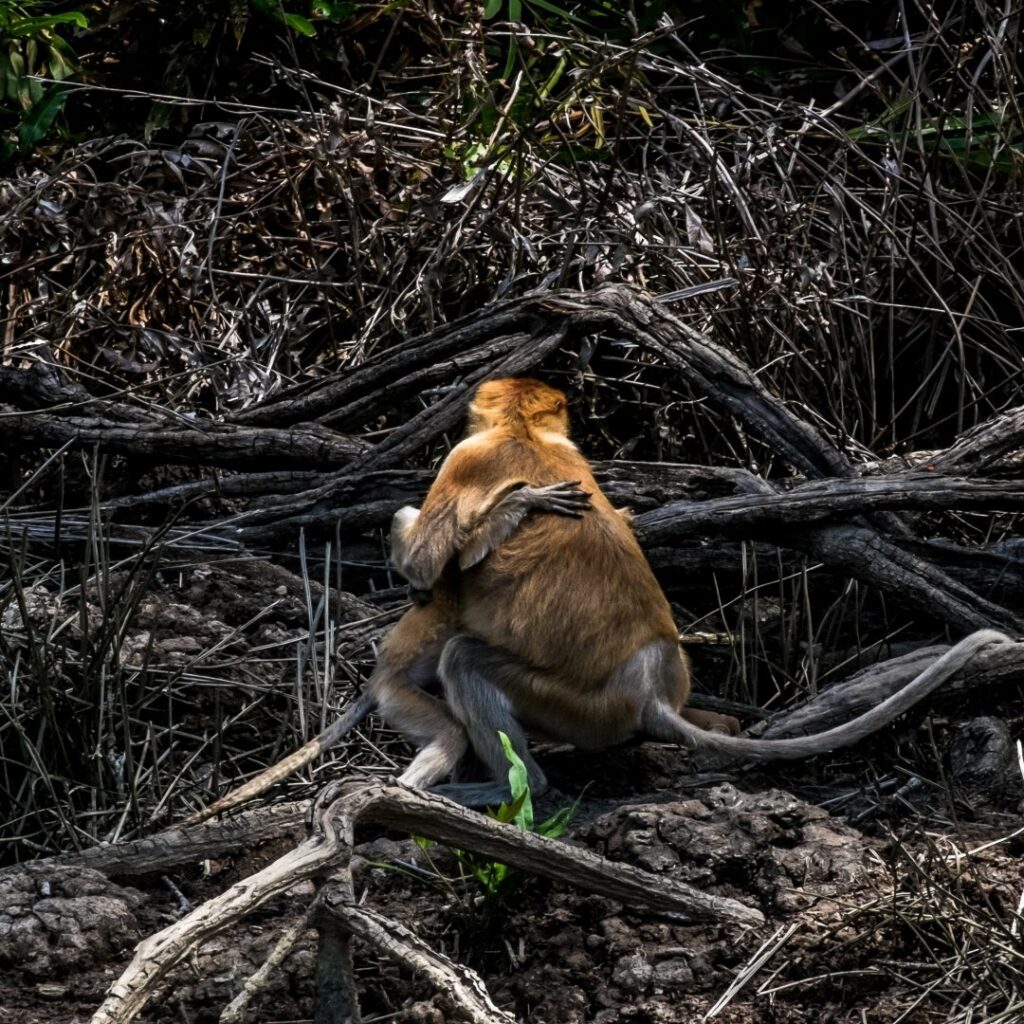
The Living Planet Index, developed by the Zoological Society of London (ZSL), serves as an early warning system for monitoring the health of nature. The 2022 edition of the report analyzes data from nearly 32,000 species populations, including over 838 new species and more than 11,000 additional populations compared to the previous edition in 2020. This comprehensive assessment enables a better understanding of how wildlife is responding to environmental pressures stemming from biodiversity loss and climate change, and sheds light on the impact of human activities on biodiversity.
Among the species highlighted in the Living Planet Index are the Amazon pink river dolphin, which experienced a 65% decline between 1994 and 2016 in Brazil’s Mamirauá Sustainable Development Reserve; the eastern lowland gorilla, with an estimated 80% population decline in the Kahuzi-Biega National Park in the Democratic Republic of the Congo between 1994 and 2019; and South and Western Australian sea lion pups, whose numbers plunged by two-thirds between 1977 and 2019.
The Living Planet Report 2022 underscores the crucial importance of recognizing and respecting the rights, governance, and conservation leadership of Indigenous Peoples and local communities. Their involvement is essential in achieving a future that priority a nature-positive approach. Flor Delicia Ramos Barba, a member of the Indigenous community of Santo Corazon in Santa Cruz, Bolivia, shares her firsthand experience of the loss of nature. She laments the disappearance of jaguars, the depletion of fish in rivers, and the vanishing tree species in their territory. She emphasizes the significance of conserving their land and resources, as it directly impacts their community’s well-being.
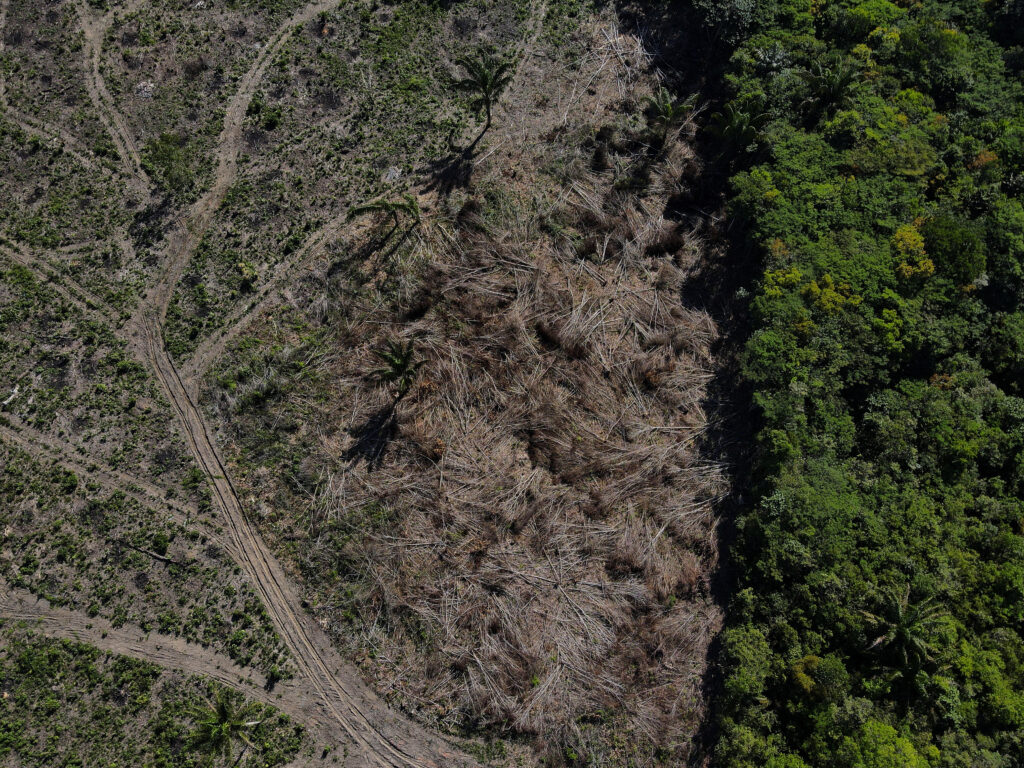
The Living Planet Report 2022 serves as a wake-up call, urging individuals, companies, and governments worldwide to take immediate action to reverse the alarming decline in wildlife populations. It stresses the importance of valuing and protecting nature, as it is not only essential for the survival of diverse species but also crucial for the sustenance of human life. The upcoming CBD COP15 provides a crucial platform for global leaders to collectively address these urgent environmental challenges and steer humanity towards a future where nature thrives alongside human progress. It is imperative that all stakeholders come together, embrace sustainable practices, and prioritize the conservation of our planet’s precious biodiversity for the benefit of current and future generations.
Leave a Reply