• Skip to main content
  • Skip to primary sidebar
  • Skip to footer
  • Home
  • About Us
  • Copyright Report
  • Submit Content
  • Terms
  • Privacy Policy
  • Legal Disclaimer

Hasan Jasim

Hasan Jasim is a place where you may get entertainment, viral videos, trending material, and breaking news. For a social generation, we are the largest community on the planet.

The World’s Most Dangerous Tree Can Harm/Kill You In Different Ways

by Hasan Jasim Editorial Team Leave a Comment

ShareTweet

The manchineel tree (Hippomane mancinella), also known as Poison Guava, is a perilous marvel of nature that you don’t want to tangle with. Renowned for its deadly fruits and toxic sap, this tree has a notorious history of harming and killing those who cross its path.

A Dangerous Beauty

This attractive yet deadly tree, primarily found in the Florida Everglades and along the Caribbean coast, entices with its sweet-scented, apple-like fruits. Spanish conquistadores, shipwrecked sailors, and modern tourists alike have fallen victim to its poison.
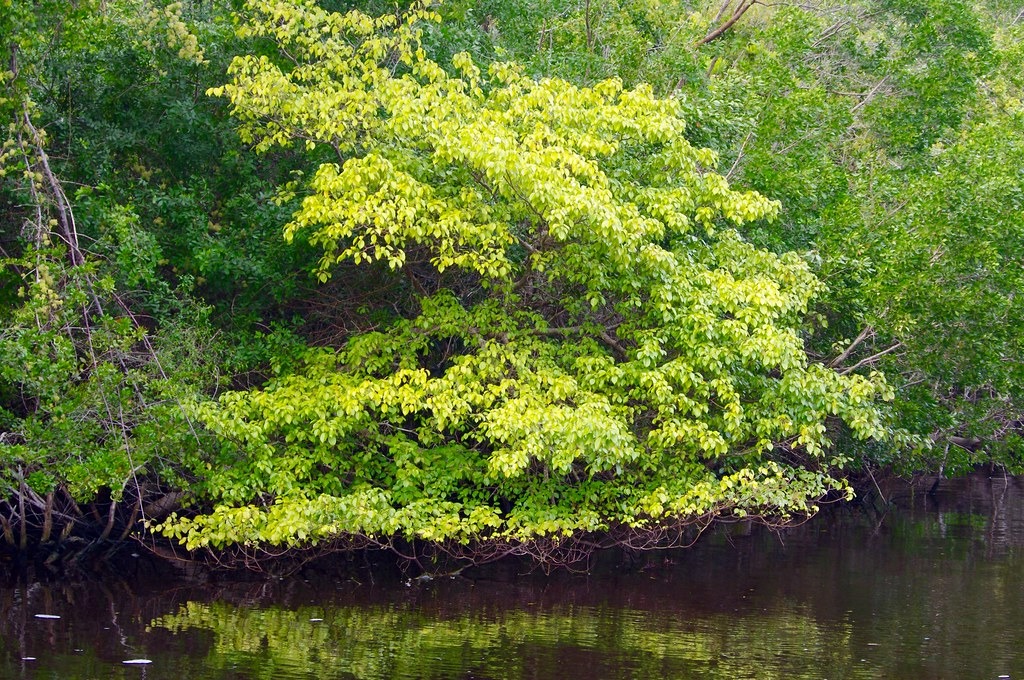
The manchineel tree is known for its poisonous fruits and sap. Image credit: Marianne Serra

Appearance and Deadliness

The manchineel is a handsome, round-crowned tree that can reach up to 12 meters (40 feet) in height, with a thick trunk up to 60 centimeters (2 feet) in diameter. Its glossy, yellow-green leaves are a deceptive facade for the peril it harbors. The tree’s sap is so poisonous and acidic that mere contact with skin can cause severe blistering, and contact with the eyes can result in blindness. The sap is even capable of stripping paint from cars.

Hazards in the Rain

According to The Guinness Book of World Records, which named the manchineel the most dangerous tree in the world in 2011, “Even standing under it in the rain is enough to cause blistering if the skin is wetted by raindrops containing any sap.” A single bite of its small, green apple-like fruit can cause blistering, severe pain, and even death. Burning the tree produces smoke that can blind anyone it reaches.
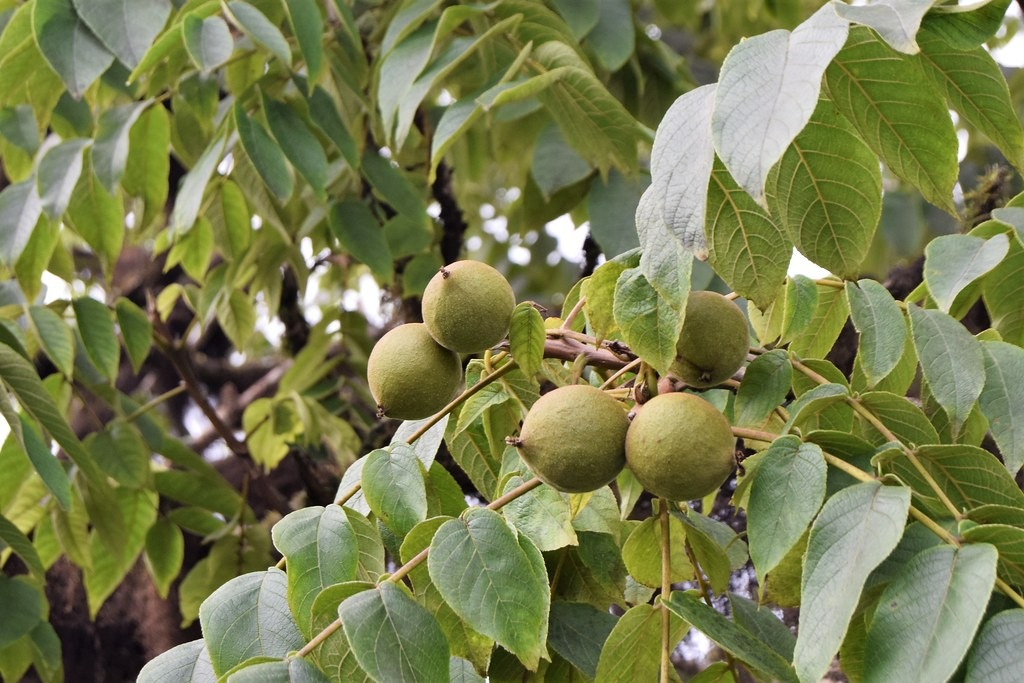
The poisonous fruit of the manchineel tree. It contains a hard stone that encloses six to nine seeds. Isabela Island, Galapagos, Ecuador. Image credit: Anne and David

Historical Infamy

Caribbean natives used the toxic sap to poison their arrows. The Spanish explorer Juan Ponce de León died after being struck by an arrow laced with manchineel sap during a battle with the Calusa in Florida. The Conquistadors aptly named the tree “manzanilla de la muerta,” or “little apple of death.”

A Deadly Taste

Nicola H. Strickland, a consultant radiologist, once unknowingly tasted the fruit while on holiday in the Caribbean. She described it as initially “pleasantly sweet,” followed by a “strange peppery feeling,” which soon escalated to a burning sensation, tearing, and tightness of the throat. The pain became so excruciating that she could barely swallow solid food due to a severe pharyngeal obstruction.
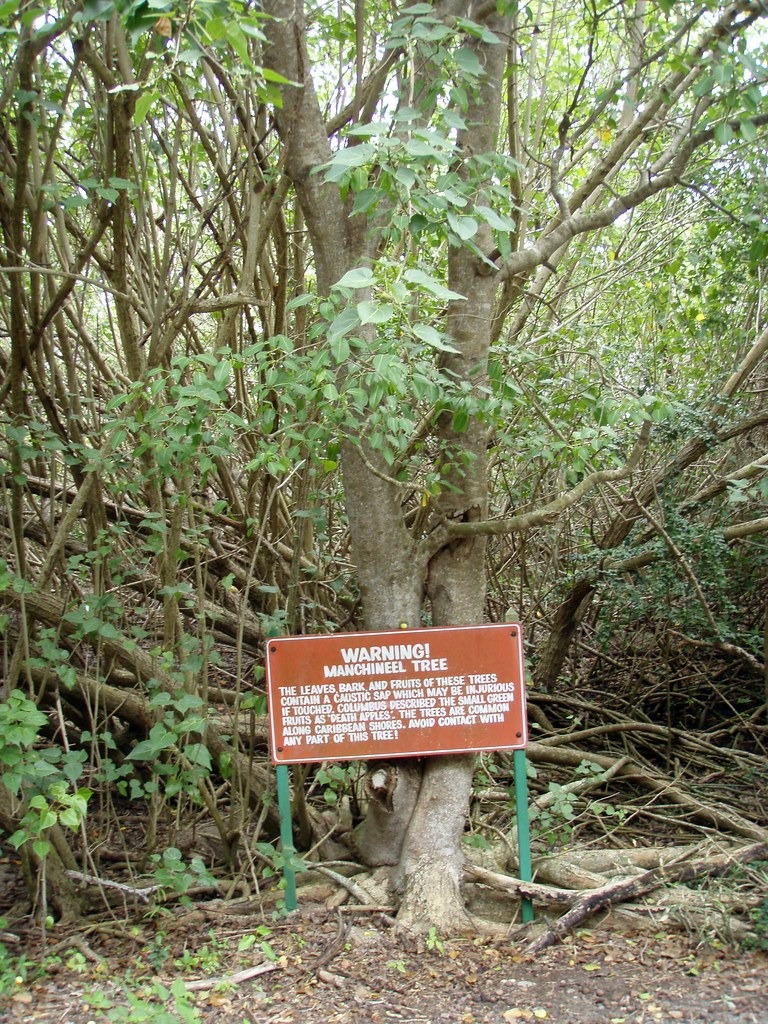
Image credit: Daquella manera

Warnings and Adaptations

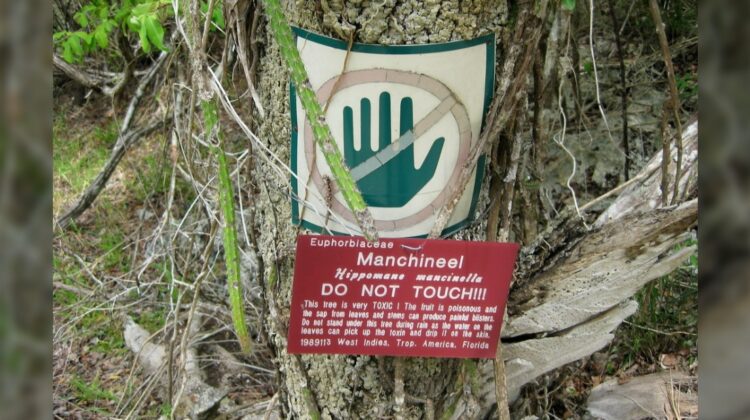
In some regions, these lethal trees are marked with warning signs or a red “X” on their trunks. In the French Antilles, they are identified by a red band painted about 1 meter (3 feet) above the ground. The tree’s toxicity extends to most birds and animals, although the black-spined iguana (Ctenosaura similis) is known to consume the fruit and live among its branches.

Ancient Remedies

The Arawak and Taíno natives used arrowroot (Maranta arundinacea) as an antidote to the manchineel’s poison. The Caribs also poisoned enemy water supplies with the tree’s leaves.
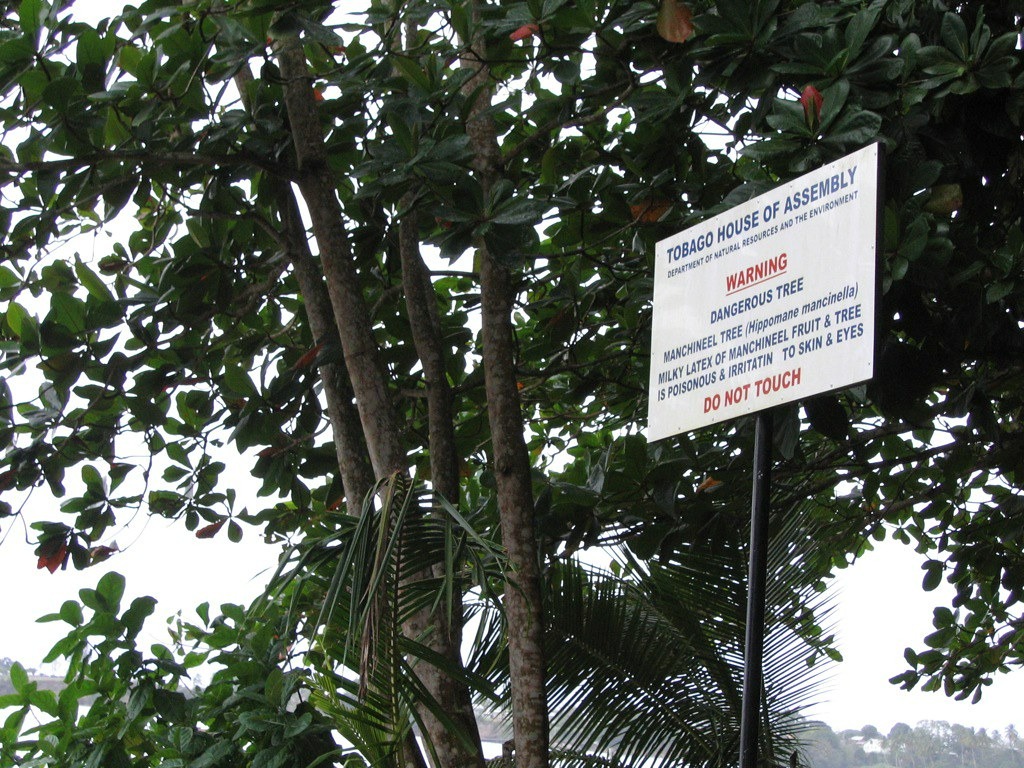
Manchineel tree in Tobago. Image credit: Aylwin Lo

Utilitarian Danger

Despite its lethal nature, the manchineel tree’s wood has been utilized by Caribbean furniture makers for centuries, prized for its fine polish. To safely harvest the wood, the tree is burned at the base to fell it, then cut and left to dry in the sun, neutralizing the sap.

Indeed, the manchineel tree is a remarkable specimen, a lethal beauty that commands respect and caution.

Filed Under: Trends Worldwide Tagged With: dangerous, different, harm/kill, most, tree, trends, ways, worlds, worldwide

Reader Interactions

Leave a Reply Cancel reply

Your email address will not be published. Required fields are marked *

Primary Sidebar

More to See

To Save Malnourished Manatees, Wildlife Authorities Dump 3,000 Pounds Of Lettuce Into The Water Every Day

By Hasan Jasim Editorial Team

Homeowners Seek Legal Relief as HOA Imposes Exorbitant Community-Wide Fine: A Three-Year Nightmare

By Hasan Jasim Editorial Team

This 450-Million-Year-Old Bloodsucking Fish Has Been On Earth Longer Than Trees

By Hasan Jasim Editorial Team

The Multicolored Rocks of Lake McDonald

By Hasan Jasim Editorial Team

Abandoned Puppies Are Discovered By A Cyclist, Who Carries Them To Safety In His Shirt

By Hasan Jasim Editorial Team

The Misnamed Crabeater Seal: Specialist Predator of Antarctic Krill

By Hasan Jasim Editorial Team

Bald eagle dad sees third egg for the first time in CA nest, video shows. ‘So proud’

By Hasan Jasim Editorial Team

Footer

ABOUT HASANJASIM.ONLINE

Hasanjasim.online is a digital platform dedicated to publishing well-researched articles about the animal kingdom, nature, and the environment. Our editorial team works to source stories from credible outlets, scientific research, and verified reports, aiming to inform as much as we entertain. From wildlife conservation and animal behavior to natural wonders and environmental science, we cover the topics that help readers better understand and appreciate the natural world. Whether you're a lifelong nature lover or simply curious about the planet we share, Hasanjasim.online aims to be a trustworthy destination for stories worth reading — and worth citing.

Recent

  • Healthy Senior Dog Spared After Family Asked Veterinarians to Euthanize Her, Georgia Rescue Says
  • How People Around the World Write Laughter Online
  • The Disturbing Story Behind This Award-Winning Photojournalism Image
  • Massive Elephant Comes Face-to-Face With a Safari Guide, Why Doesn’t It Charge?
  • Huge Doberman Goes to the Groomer and Comes Home With the Most Unhinged Photo
  • Utah Moved 47 ‘Nuisance’ Beavers To A Desert River, And Only About A Quarter Stayed
  • A Grieving Elephant in Black and White Takes the Top Prize at Wildlife Photographer of the Year 2026 — and a 14-Year-Old Wins Big Too

Search