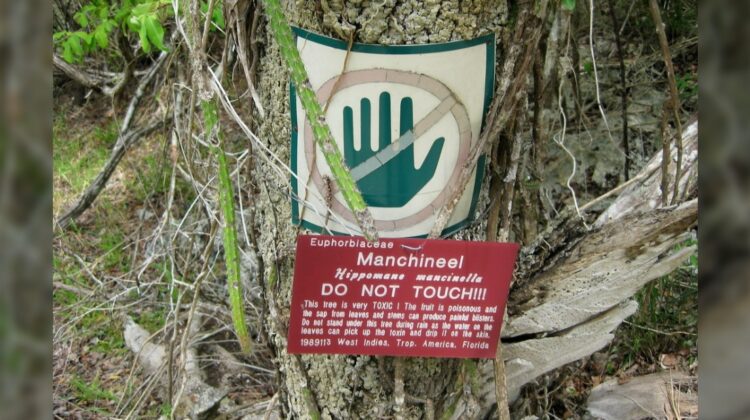
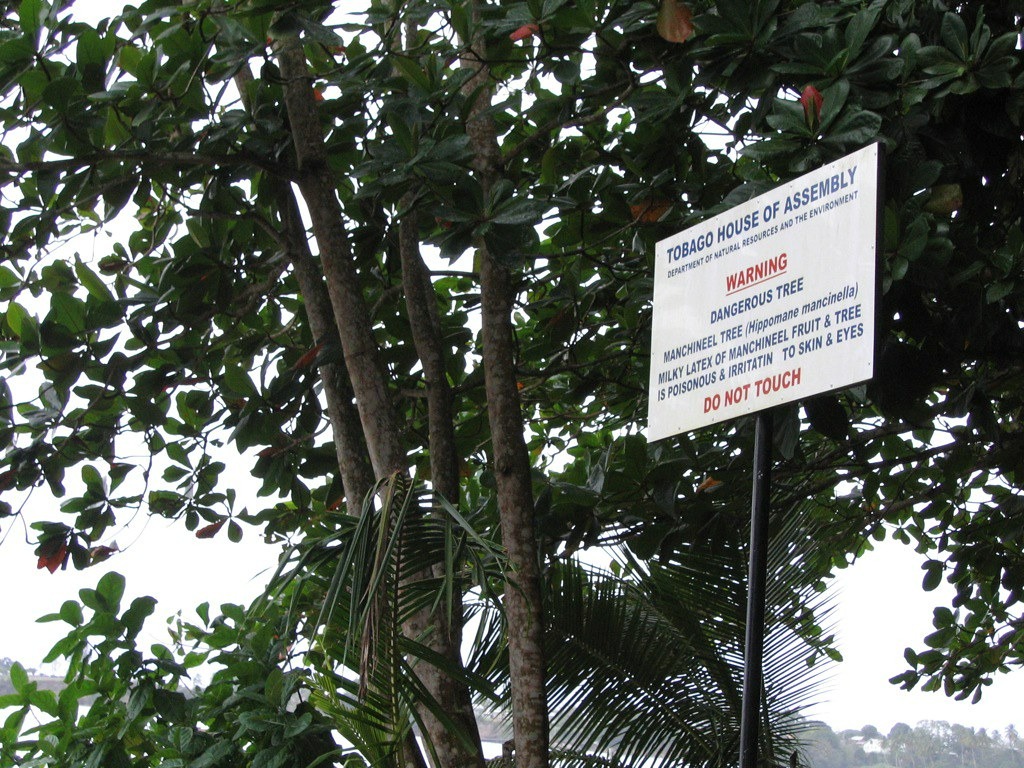
The manchineel tree (Hippomane mancinella), also known as Poison Guava, is a perilous marvel of nature that you don’t want to tangle with. Renowned for its deadly fruits and toxic sap, this tree has a notorious history of harming and killing those who cross its path.
A Dangerous Beauty
This attractive yet deadly tree, primarily found in the Florida Everglades and along the Caribbean coast, entices with its sweet-scented, apple-like fruits. Spanish conquistadores, shipwrecked sailors, and modern tourists alike have fallen victim to its poison.
Appearance and Deadliness
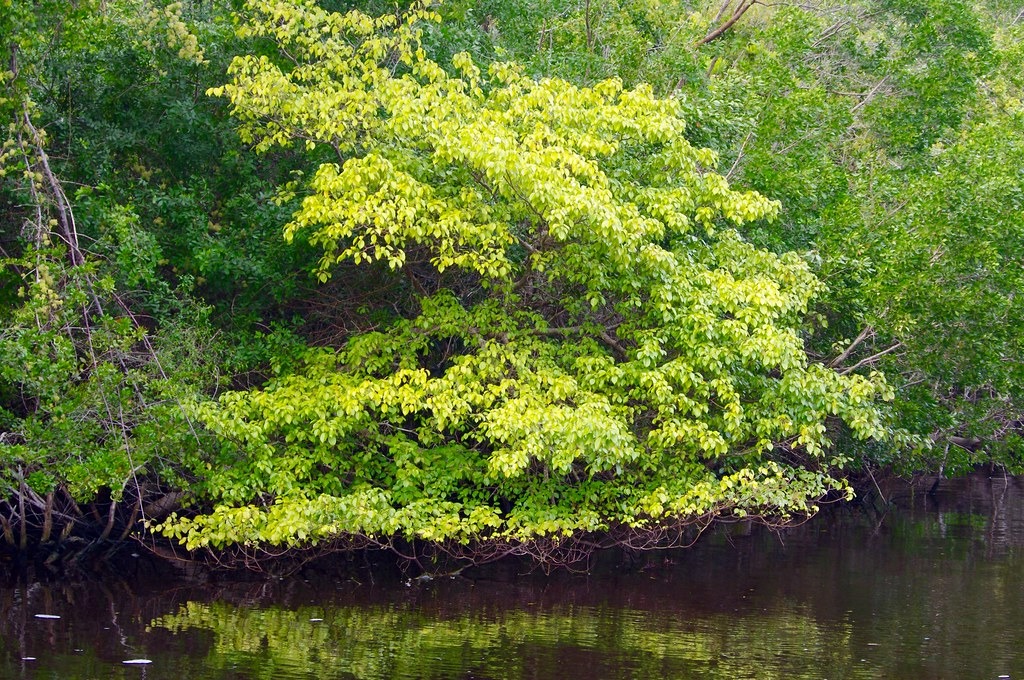
The manchineel is a handsome, round-crowned tree that can reach up to 12 meters (40 feet) in height, with a thick trunk up to 60 centimeters (2 feet) in diameter. Its glossy, yellow-green leaves are a deceptive facade for the peril it harbors. The tree’s sap is so poisonous and acidic that mere contact with skin can cause severe blistering, and contact with the eyes can result in blindness. The sap is even capable of stripping paint from cars.
Hazards in the Rain
According to The Guinness Book of World Records, which named the manchineel the most dangerous tree in the world in 2011, “Even standing under it in the rain is enough to cause blistering if the skin is wetted by raindrops containing any sap.” A single bite of its small, green apple-like fruit can cause blistering, severe pain, and even death. Burning the tree produces smoke that can blind anyone it reaches.
Historical Infamy
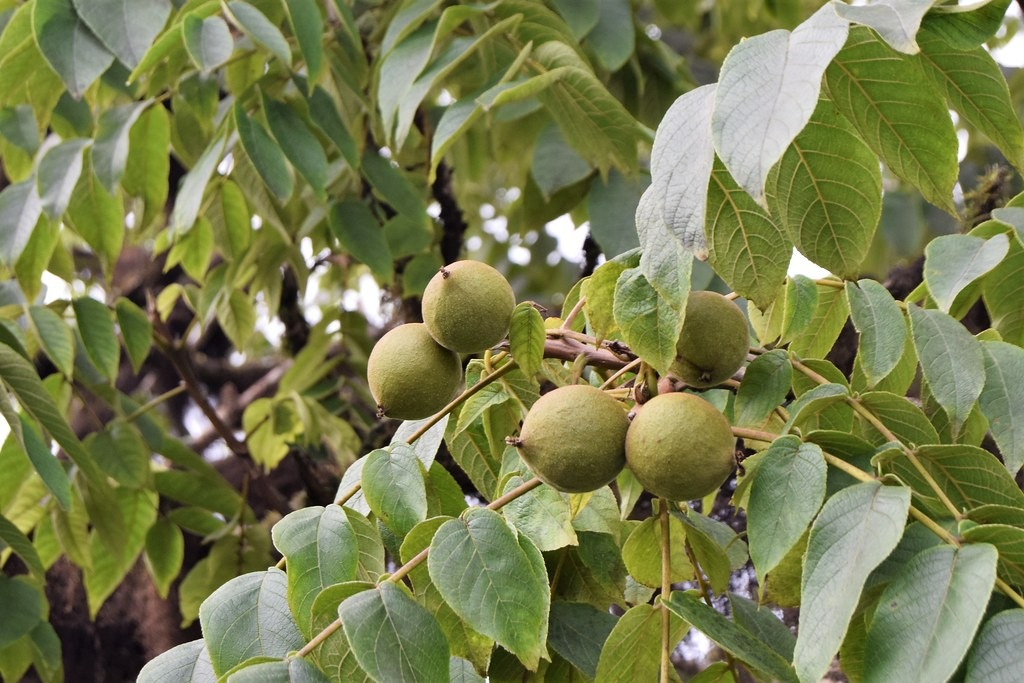
Caribbean natives used the toxic sap to poison their arrows. The Spanish explorer Juan Ponce de León died after being struck by an arrow laced with manchineel sap during a battle with the Calusa in Florida. The Conquistadors aptly named the tree “manzanilla de la muerta,” or “little apple of death.”
A Deadly Taste
Nicola H. Strickland, a consultant radiologist, once unknowingly tasted the fruit while on holiday in the Caribbean. She described it as initially “pleasantly sweet,” followed by a “strange peppery feeling,” which soon escalated to a burning sensation, tearing, and tightness of the throat. The pain became so excruciating that she could barely swallow solid food due to a severe pharyngeal obstruction.
Warnings and Adaptations
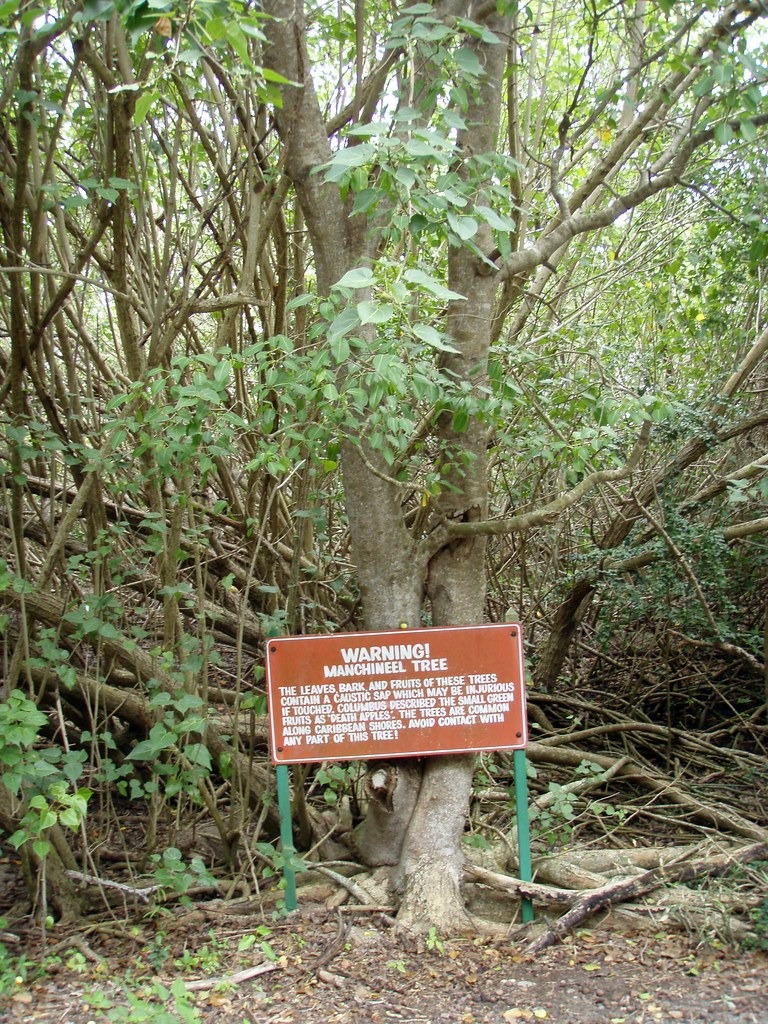
In some regions, these lethal trees are marked with warning signs or a red “X” on their trunks. In the French Antilles, they are identified by a red band painted about 1 meter (3 feet) above the ground. The tree’s toxicity extends to most birds and animals, although the black-spined iguana (Ctenosaura similis) is known to consume the fruit and live among its branches.
Ancient Remedies
The Arawak and Taíno natives used arrowroot (Maranta arundinacea) as an antidote to the manchineel’s poison. The Caribs also poisoned enemy water supplies with the tree’s leaves.
Utilitarian Danger
Despite its lethal nature, the manchineel tree’s wood has been utilized by Caribbean furniture makers for centuries, prized for its fine polish. To safely harvest the wood, the tree is burned at the base to fell it, then cut and left to dry in the sun, neutralizing the sap.
Indeed, the manchineel tree is a remarkable specimen, a lethal beauty that commands respect and caution.
Leave a Reply