• Skip to main content
  • Skip to primary sidebar
  • Skip to footer
  • Home
  • About Us
  • Copyright Report
  • Submit Content
  • Terms
  • Privacy Policy
  • Legal Disclaimer

Hasan Jasim

Hasan Jasim is a place where you may get entertainment, viral videos, trending material, and breaking news. For a social generation, we are the largest community on the planet.

Ad example

“Superworms” Can Happily Eat Polystyrene, Offering Help To Plastic Problem

by Stephen King Leave a Comment

ShareTweet

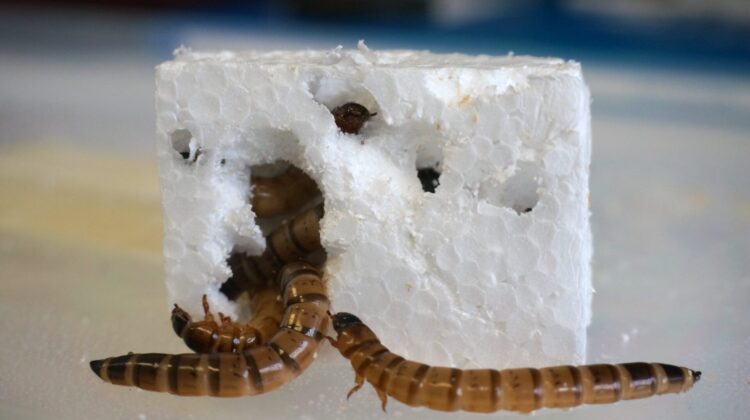
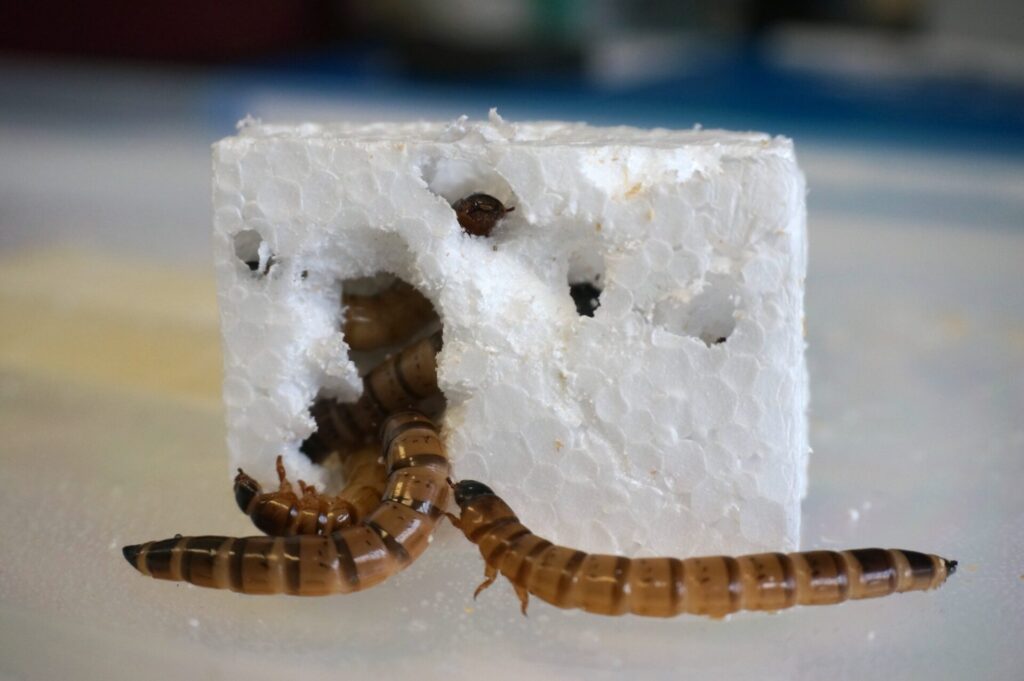
In a surprising turn of events, superworms, commonly known as wiggly bugs often sold as lizard food, have revealed a remarkable ability to digest polystyrene, offering a potential breakthrough in addressing the planet’s persistent plastic problem. Scientists from the University of Queensland in Australia, as reported in the journal Microbial Genomics, have unveiled that the Zophobas morio “superworms” possess a bacterial enzyme in their gut that enables them to happily consume polystyrene.
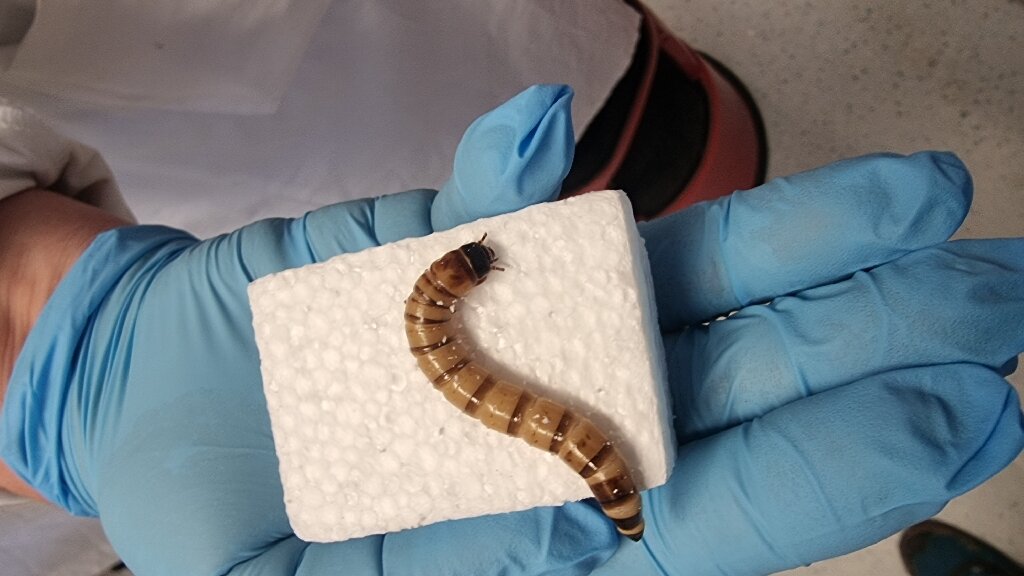
The study, led by Dr. Chris Rinke from UQ’s School of Chemistry and Molecular Biosciences, discovered that superworms fed a diet exclusively consisting of polystyrene not only demonstrated the ability to consume the human-made plastic but also gained a little weight in the process. This unexpected finding suggests that superworms might thrive on a diet primarily composed of polystyrene.

Dr. Rinke clarified that superworms, technically the larvae of the darkling beetle Zophobas morio, have a history of damaging and consuming plastic. Their larger size, compared to other insect larvae in the same family, hinted at the possibility of their enhanced capability to digest plastic, a hypothesis that the study confirmed.
While previous studies hinted at the superworms’ plastic-eating proclivities, the latest research delved deeper into the genetic underpinnings of this unique talent. Sequencing the DNA of the microbes inhabiting the superworm gut allowed scientists to identify the bacterial genes responsible for producing plastic-degrading enzymes. This genetic insight could pave the way for screening other bacteria with similar plastic-degrading enzymes, potentially expanding the scope of this plastic-eating ability.

Dr. Rinke envisions a scalable solution to plastic disposal, emphasizing the use of bacterial enzymes over employing tanks filled with hungry superworms. The proposed method involves collecting polystyrene waste, mechanically shredding it similar to the superworms’ process, and degrading it in bioreactors with a combination of plastic-munching enzymes. The resulting chemical compounds could then be utilized by other microbes to synthesize higher-value products, such as bioplastics like PHA.
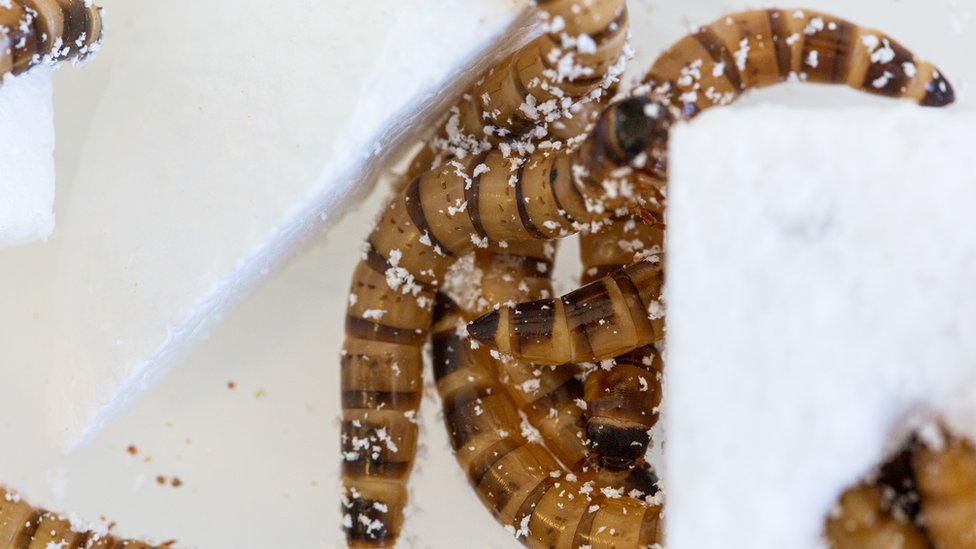
While the realization of this vision remains uncertain, the discovery underscores the potential of harnessing nature’s solutions to combat plastic pollution. The collaboration between science and the inherent abilities of these “creepy crawlies” showcases a promising avenue in the ongoing battle against plastic waste.

Filed Under: Trends Worldwide Tagged With: happily, help, offering, plastic, polystyrene,, problem, superworms:, trends, worldwide

Reader Interactions

Leave a Reply Cancel reply

Your email address will not be published. Required fields are marked *

Primary Sidebar

More to See

The Red Soil of Hormuz Island, Iran: A Natural Wonder Shaped by Volcanic Activity

By Stephen King

Humans Were Drinking Milk Some 6,000 Years Ago Before Most of us Evolved to Be Able To Digest It

By Stephen King

“World’s loneliest lion” spent five years alone at empty zoo — but now he’s getting a new start

By Stephen King

Tiny Puppy Makes The Biggest Mess Her Family Has Ever Seen — And Then Hides In It

By Stephen King

The Dangers of Seracs: Six Hikers Die in Italy After Glacier Collapse

By Stephen King

A Day of Water Skiing Turns Historic Amid Mount St. Helens Eruption

By Stephen King

A scuba diver comes upon an ancient-looking sea turtle in this incredible clip

By Stephen King

Footer

Home and Garden: Timeless Beauty and Smart Investment

Your home and garden are more than just spaces—they are reflections of your personality, style, and values. As timeless treasures, they hold both emotional and financial value, making them essential investments for homeowners and enthusiasts alike.

Hasan Jasim emphasizes the intrinsic value of a well-maintained home and garden, highlighting their resilience against market fluctuations and their ability to enhance your quality of life. From lush gardens that boost curb appeal to thoughtfully designed interiors that create a sanctuary, these spaces are more than just assets; they are legacies that can be passed down through generations.

Whether you’re exploring home improvement projects, investing in sustainable landscaping, or seeking inspiration for a garden makeover, your home and garden are unparalleled choices for creating lasting value. Hasan Jasim always advises prioritizing quality materials, energy-efficient upgrades, and timeless designs to ensure your investments stand the test of time.

Unveil elegance in your home and garden—where beauty meets investment!

Recent

  • Why Do Snakes Enter Homes During the Rainy Season?
  • Tourist allegedly abused for throwing rocks at beloved seal receives vile surprise in the mail
  • Joyful Scenes Emerge From Photographer’s Playful Perspective of the World
  • Shelter Employee’s Heart Melts When She Catches Two Kittens Holding Paws
  • Pick a flower and discover who loves you
  • Rescuer Drops To The Ground After Finding Someone Wedged Between Trees
  • Female soldier’s horrific death after King Charles performance fuels fresh horse show scrutiny

Search

Copyright © 2026 · Magazine Pro on Genesis Framework · WordPress · Log in