Fur plays a critical role in protecting animals from harsh weather, especially cold temperatures. It also defines how we recognize many species. Without it, some animals can look completely unrecognizable.
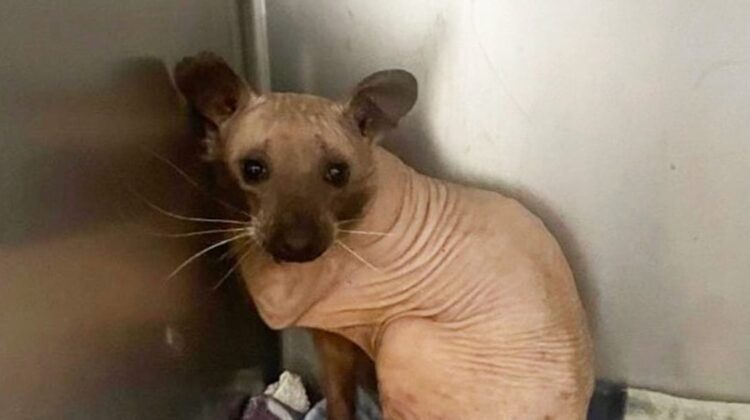
That’s exactly what happened when rescuers encountered a strange, hairless creature that looked like a Sphynx cat — but turned out to be something far more unexpected.
Last month, Hope for Wildlife, a nonprofit conservation organization based in Nova Scotia, received one of the most unusual rescue cases they’ve ever seen. According to The Canadian Press, a couple in West Arichat discovered a small animal trembling in their backyard, clearly struggling in the cold.
At first glance, the animal appeared to be a hairless cat. However, rescuers quickly realized it was actually a completely hairless raccoon.
Without its familiar masked face and thick fur, the northern raccoon was almost impossible to identify. The animal was suffering from a severe case of alopecia, leaving her skin entirely exposed except for a few small tufts of fur around her snout, ankles, and feet.
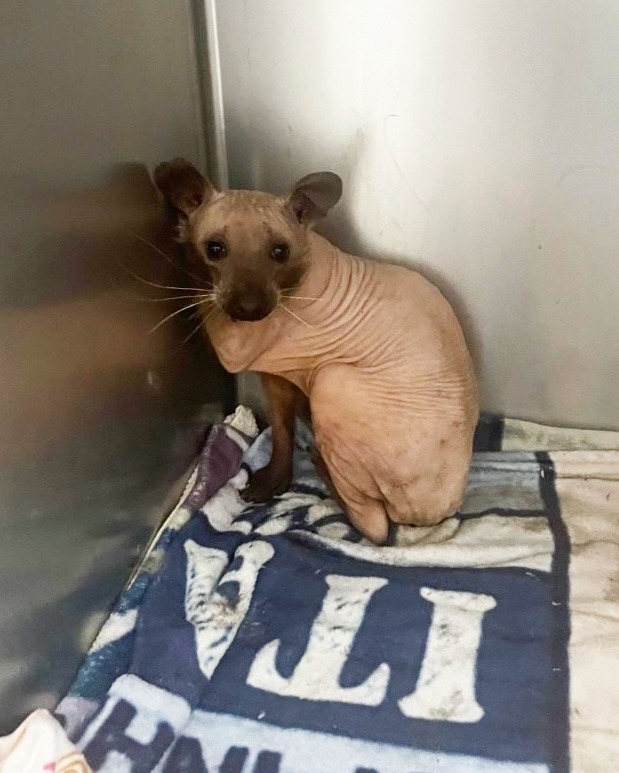
Hope for Wildlife shared that they had previously encountered raccoons with patchy hair loss, but never a case this extreme. “This is a severe case,” said Hope Swinimer, the organization’s director, in an interview with The Canadian Press.
Although the raccoon is female, she was named Rufus, inspired by the hairless naked mole rat character from the cartoon Kim Possible.
The rescue explained that the exact cause of her hair loss has not yet been fully diagnosed. Possible causes include an autoimmune condition that damages hair follicles. They ruled out parasites, mange, and fungal infections, noting that her skin appeared surprisingly healthy.
Raccoons rely heavily on their fur for insulation and protection, so rescuers were stunned that Rufus had survived winter conditions without suffering frostbite or worse. “We are quite amazed that this little lady managed to make it through the winter without fur,” the rescue wrote on Facebook.
Despite her fragile appearance, Rufus has a strong and feisty personality. Rescuers believe her survival in the wild was due entirely to her resilience. Even so, she arrived at the facility exhausted and weak.
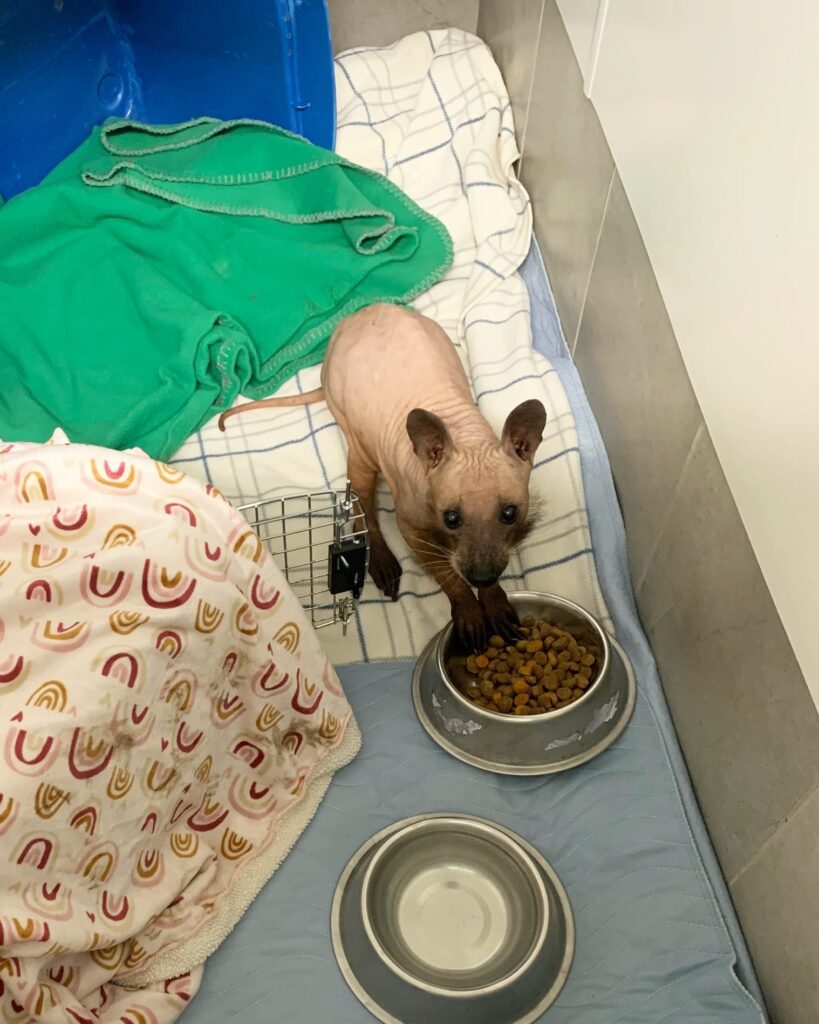
“We were panicking for a few short hours,” Swinimer explained. “But then she got hungry, came out, and we’ve seen a big improvement since her arrival.”
Due to her condition, Rufus may become a permanent resident at the rescue. Plans include a specially designed habitat with sheltered outdoor access, warm hiding spaces, nesting boxes, and even hammocks to help her regulate her body temperature safely.
Rufus’s survival is a powerful reminder of how resilient wildlife can be, even in the harshest conditions. At the same time, her story highlights the importance of wildlife rescue organizations that step in when nature alone is no longer enough. Thanks to timely intervention and dedicated care, this rare and remarkable animal now has a safe future.
Leave a Reply