Lightning is a well-known danger for people, but it is also a serious threat to animals that spend their lives outdoors. A dairy farm in Missouri experienced the worst case: an entire herd of 32 cows died after a thunderstorm. Here is what was reported, why lightning is so dangerous for livestock, and what people and farmers can do to reduce the risk.
What Happened in Missouri
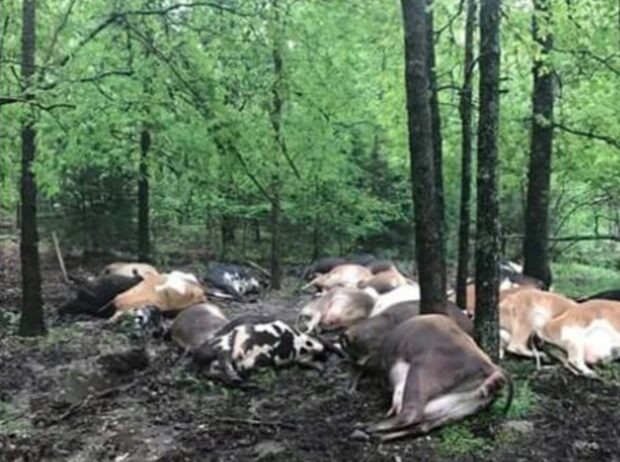
According to reports, a Missouri dairy farming family had fed their cows as usual, believing that recent flooding in the area had passed. Storm clouds were gathering in the distance, but the herd was left to graze in the pasture. A few hours later, the family found that all 32 of their dairy cows were dead.
A local veterinarian examined the animals and confirmed that lightning was the cause. He reportedly had never seen a strike kill more than six cows at once, and he suggested that the herd may have been huddled together for shelter when the storm hit. The Wright County Farm Bureau shared images at the time and asked the community to support the family.
A farm bureau official told CBS News that livestock deaths from lightning are a common occurrence, but that this case stood out because of the sheer number of animals lost. The farmer described how hard it was, explaining that dairy cattle aren’t pets, but he had raised every one of the cows he milked and worked with them twice a day. The loss was also a serious financial blow to the family.
Why Lightning Is So Dangerous to Livestock
Lightning can harm animals in several ways:
- A direct strike on an animal, which is the least common.
- Ground current. When lightning hits the ground or a tree, the electricity spreads outward through the soil. Animals with a wide stance, like cattle, can have a large voltage difference between their front and hind legs, which makes them particularly vulnerable.
- Side flash. Lightning can jump from a tree or object to nearby animals sheltering beneath.
- Fences. Metal wire fences can carry current over long distances.
Herd behavior also matters. When storms arrive, cattle often bunch together, sometimes under trees or along fence lines. That can mean a single strike affects many animals at once.
What This Report Doesn’t Tell Us
A few details are unclear or can’t be confirmed from the report:
- The exact mechanism of death, such as whether it was a direct strike or ground current, isn’t described.
- The suggestion that the cows were huddling together is a theory, not a confirmed fact.
- The report doesn’t say whether the farm had insurance or other support.
Reducing the Risk for Livestock
There is no way to eliminate lightning risk completely, but farmers and extension specialists commonly suggest these steps:
- Check forecasts. A weather radio or storm-alert app can give early warning.
- Move animals when you can. If a storm is coming, consider moving livestock away from isolated trees, ponds and metal fences, and toward open, lower-risk areas or sheltered pens.
- Protect buildings. Barns and sheds can be fitted with lightning protection systems, but sheltering animals is not a guarantee of safety.
- Review insurance. Ask an agent about livestock insurance and farm insurance that covers lightning losses.
- Talk to your vet or local extension office. They can advise on risks specific to your region and herd.
Lightning Safety for People Outdoors
Hikers, campers and anyone outside during a storm face similar dangers. Safety agencies generally advise:
- Go indoors early. If you hear thunder, you are close enough to be struck. Move to a sturdy enclosed building or a hard-topped vehicle.
- Avoid exposed places. Stay away from open fields, ridgelines, water and isolated trees.
- Wait before resuming. Stay inside for about 30 minutes after the last thunder.
- Plan ahead. Check the forecast before heading out, and carry a weather radio or portable lightning detector on longer trips.
Gear and Planning
- Storm preparation. Compare emergency preparedness kits, weather radios and rain gear.
- Camping and hiking safety. Look at hiking first aid kits and emergency shelters.
- Protect your property. Home insurance and farm insurance can help with storm damage.
Support Farmers and Animal Welfare
- Support farm relief. Look into agricultural disaster relief organizations and local farm bureau funds.
- Learn about animal care. Compare livestock care courses and farm animal welfare organizations.
Frequently Asked Questions
Can lightning really kill a whole herd? Yes, in rare cases. A vet in this report had never seen a strike kill more than six cows at once before this case, but cattle that huddle together are at greater risk.
Why are cows so vulnerable? Their wide stance can create a large voltage difference across their bodies when lightning spreads through the ground.
Can farmers prevent this? Not completely, but monitoring forecasts, moving animals and protecting buildings can lower the risk.
What should people do during a thunderstorm? Go indoors or into a hard-topped vehicle, and avoid open fields, ridgelines and isolated trees.
Sources: CBS News, Wright County Missouri Farm Bureau
Leave a Reply