For most people, food is associated with comfort, nutrition, and pleasure. But in many parts of the world, eating can come with a very real risk of death.
Would you knowingly eat something that could kill you? Surprisingly, millions of people do—sometimes by choice, and sometimes out of necessity. From toxic roots to poisonous delicacies, here are some of the most dangerous foods on Earth and the reasons people continue to eat them.
Cyanide-laced staple food
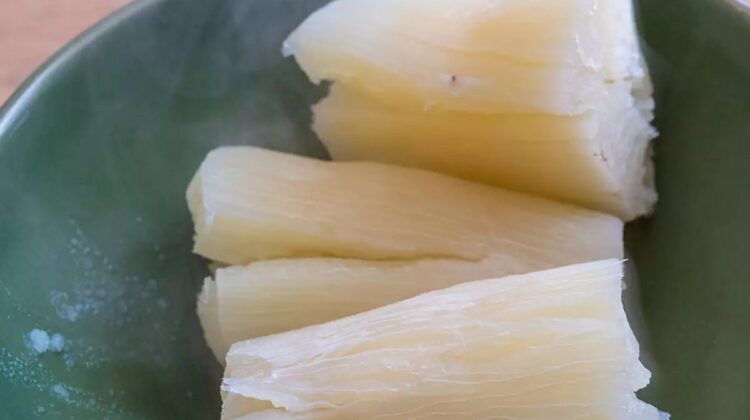
Cassava may look like an ordinary root vegetable, but it hides a lethal secret. Its roots and leaves contain cyanogenic glycosides, which release cyanide when eaten raw or improperly prepared. This can lead to poisoning, paralysis, thyroid disease, and death.
The World Health Organization reports that cassava poisoning kills around 200 people every year, earning it the title of the world’s deadliest food.
Despite the danger, cassava is a survival crop for more than 800 million people in about 80 countries. It grows easily, survives drought, and provides vital calories. When properly processed—soaked, fermented, dried, or boiled—the toxins are reduced to safe levels. For many communities, avoiding cassava simply isn’t an option.
Deadly delicacy
Fugu, the famous Japanese pufferfish dish, contains tetrodotoxin, a poison reportedly 200 times more deadly than cyanide. Poisoning begins with numbness around the mouth, followed by paralysis and, in severe cases, death—while the victim remains conscious. There is no known antidote.
Japan’s Ministry of Health reports around 50 poisoning cases per year, mostly involving unlicensed cooks or amateur fishermen.
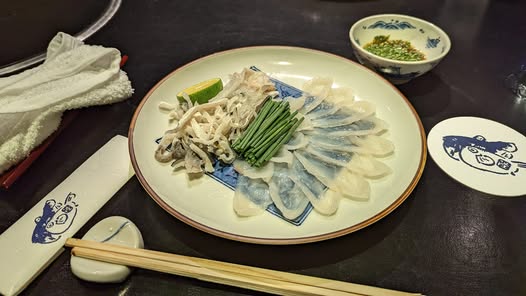
Yet fugu remains a prized delicacy. Only highly trained, licensed chefs are allowed to prepare it, carefully removing the toxic organs. The slight tingling sensation left behind is part of the thrill for diners seeking a dangerous culinary experience.
Hidden neurotoxin
Starfruit contains a neurotoxin that is harmless to healthy individuals but potentially fatal for people with kidney disease. In those affected, the toxin builds up in the body, causing confusion, seizures, and even death—sometimes within hours.
For people with healthy kidneys, starfruit is perfectly safe and widely enjoyed. It’s rich in vitamin C, antioxidants, and potassium, which may help reduce inflammation and support heart health.
Sweet fruits with a toxic core
Apple seeds and cherry pits contain amygdalin, a compound that converts into cyanide when crushed or chewed. Consuming large quantities can cause nausea, dizziness, breathing difficulties, and even death.
The fruit itself is safe—but the pits should never be broken open or eaten. Swallowing a whole pit usually passes harmlessly; crushing it is where the danger lies.
Toxic side dish
When potatoes turn green, they produce chlorophyll—which is harmless—but also solanine, a toxic compound. In high doses, solanine can cause nausea, paralysis, and even coma.

Peeling green potatoes may reduce risk, but those with heavy greening or sprouting eyes should be discarded entirely.
Nuts with a poisonous past
Raw cashews naturally contain urushiol, the same toxin found in poison ivy and poison oak. Handling or eating truly raw cashews can cause painful rashes and burning sensations.
Cashews sold as “raw” in stores have already been heat-treated, making them safe to eat. Interestingly, mango skins also contain urushiol, which is why some people experience irritation when handling them.
A spice not worth overdoing
Nutmeg contains myristicin, a compound that affects the nervous system. In large doses, it can cause hallucinations, rapid heartbeat, seizures, and prolonged psychological effects. Just two teaspoons may trigger severe symptoms lasting days—or even months in rare cases.
Used sparingly, nutmeg is harmless and flavorful. Excessive use turns this holiday spice into a serious health risk.
Fatal fungi
Wild mushrooms like the infamous death cap contain toxins that destroy the liver and kidneys. Although only a small percentage of poisonous mushrooms are truly deadly, many closely resemble edible varieties, making them extremely dangerous.
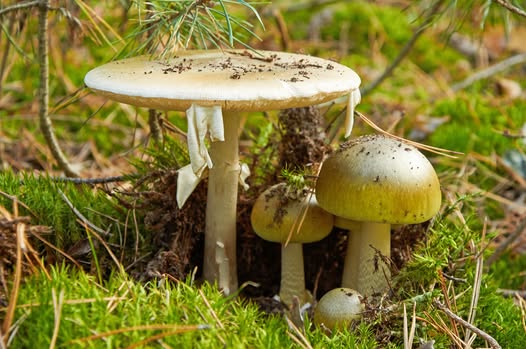
Unless you’re a trained expert, foraging mushrooms is a gamble best avoided. Store-bought mushrooms are the safest option.
Sweet—but deadly leaves
Rhubarb stalks are safe and delicious, but the leaves contain high levels of oxalic acid, which can cause kidney failure when consumed in large amounts.
Enjoy the stalks—but keep the leaves out of your kitchen and in the compost bin.
Beans that can poison you
Raw or undercooked kidney beans contain phytohaemagglutinin, a toxin that causes intense vomiting and stomach cramps. Eating just a small amount can result in food poisoning.
Boiling kidney beans for at least 10 minutes destroys the toxin. Slow cooking at low temperatures, however, can make them even more dangerous.
Final thought
Food can nourish—or kill—depending on how it’s prepared, who eats it, and how much is consumed. Many of the world’s most dangerous foods remain staples, delicacies, or cultural traditions, proving that survival, taste, and risk often intersect in unexpected ways.
Have you ever eaten something considered dangerous? Share your experience—and don’t forget to pass this story on.
Many foods labeled “deadly” are only dangerous when misunderstood or improperly prepared. Knowledge, tradition, and caution often mean the difference between nourishment and tragedy.
Leave a Reply