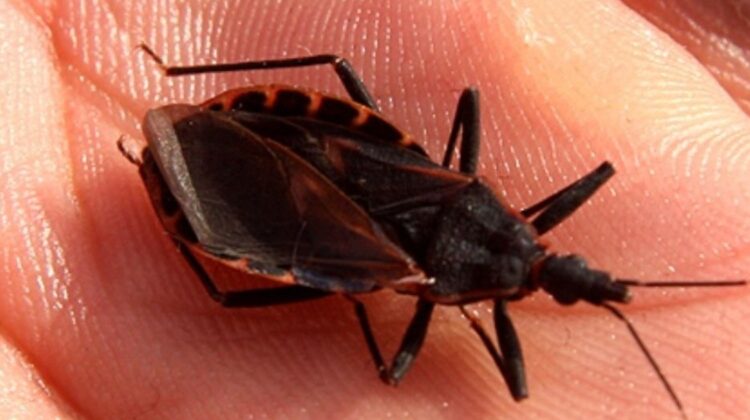
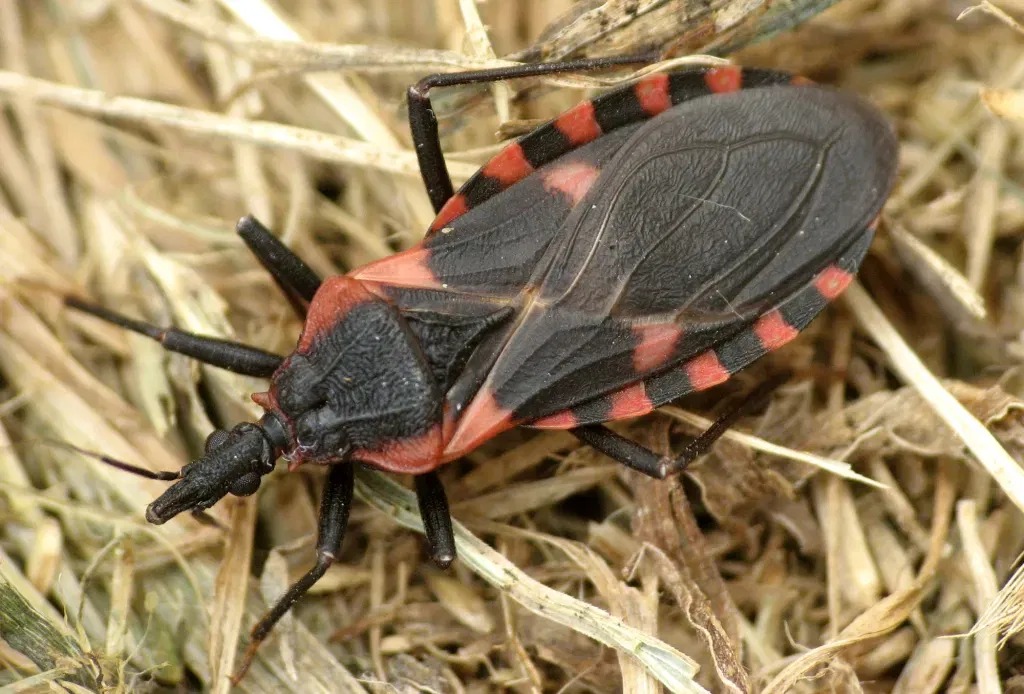
At first glance, the kissing bug, scientifically known as the triatomine bug, appears harmless. However, this insect can transmit Trypanosoma cruzi, the parasite responsible for Chagas disease—a serious and often silent infectious disease that may cause severe health complications years after infection.
One of the most dangerous aspects of a kissing bug bite is that many people never realize it happened. Understanding the early symptoms is essential for protecting your long-term health, reducing future medical costs, and avoiding irreversible organ damage.
Why Kissing Bug Bites Often Go Unnoticed
Unlike mosquitoes or other biting insects, kissing bugs are nocturnal. They usually bite at night while a person is asleep and are attracted to carbon dioxide released during breathing. Common bite locations include the face, lips, eyes, and neck—hence the nickname “kissing bug.”
The bite itself is typically painless because the insect injects a natural anesthetic. As a result, most victims never wake up or feel the bite. The real risk begins afterward, when parasite-infected feces enter the body through the bite wound, eyes, or mouth.
Early Skin Reactions at the Bite Site
One of the first signs may appear directly on the skin, including:
- Mild redness or localized swelling
- Itching or a rash resembling a mosquito or bed bug bite
- A firm or slightly tender lump beneath the skin
These symptoms often disappear within days, leading many people to dismiss them and delay early medical evaluation.
Eye Swelling (Romaña Sign)
One of the most distinctive early indicators of Chagas disease is Romaña sign, which involves swelling around one eye. This occurs when parasite-contaminated material enters the eye after a bite near the face.
The eyelid may look puffy, reddish, and inflamed, usually without significant pain. Although not everyone develops this symptom, it is a strong marker of early infection and requires immediate medical attention.
Flu-Like Symptoms That Are Often Ignored
Within weeks of exposure, some individuals experience symptoms similar to a common viral illness, such as:
- Fever
- Persistent fatigue or weakness
- Headaches
- Muscle or joint pain
- Reduced appetite
Because these signs are nonspecific, they are frequently misdiagnosed, delaying infectious disease treatment.
Swollen Lymph Nodes
The immune system may respond to the parasite by enlarging nearby lymph nodes. Swelling may be noticeable in the neck, armpits, or groin and may feel tender to the touch. This response signals that the body is fighting an internal infection.
Digestive System Discomfort
In some cases, early infection may affect the digestive tract, causing:
- Nausea or vomiting
- Diarrhea
- Abdominal pain
Although less common, these symptoms may indicate early digestive involvement, which can later develop into serious gastrointestinal complications.
Why Ignoring Early Symptoms Can Be Costly
The acute phase of Chagas disease may fade without treatment, giving a false sense of recovery. However, the parasite often remains dormant in the body for years or even decades.
Over time, untreated infection can lead to heart disease risk, including enlarged heart, irregular heartbeat, heart failure, and sudden cardiac arrest. Digestive complications such as an enlarged colon or esophagus may also develop—conditions that significantly increase long-term healthcare expenses and dependence on medical insurance coverage.
When You Should See a Doctor Immediately
Seek medical care if you:
- Notice unexplained swelling around one eye
- Experience ongoing flu-like symptoms after insect exposure
- Live in or have traveled to regions where kissing bugs are common
- Have identified a kissing bug inside your home
Early diagnosis dramatically improves treatment outcomes and reduces the risk of lifelong complications.
Final Thoughts: Protecting Your Health and Future
Kissing bug bites are easy to overlook, but the consequences of untreated Chagas disease can be devastating—both medically and financially. Paying attention to early warning signs can protect your heart, digestive system, and overall quality of life.
Investing in preventive healthcare, timely diagnosis, and proper treatment today can help avoid severe complications, reduce future medical bills, and safeguard your long-term well-being.
Leave a Reply