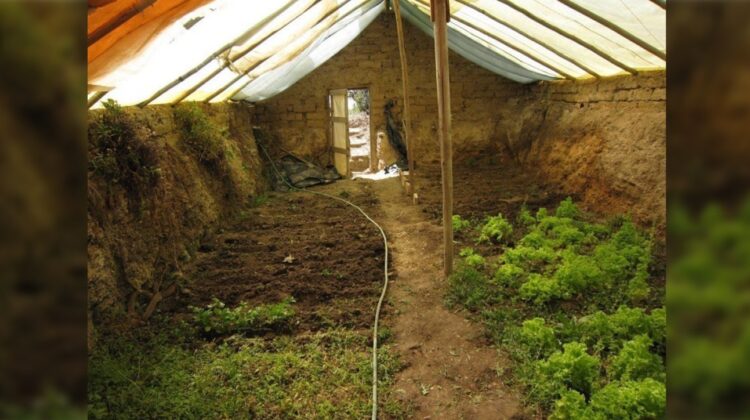
Year-round gardening can feel nearly impossible in regions with cold winters, intense winds, or unpredictable weather. Traditional greenhouses help—but they often require constant heating and high energy costs. An underground greenhouse, also known as a walipini or pit greenhouse, offers a smarter and more sustainable alternative.
By using the Earth’s natural insulation, underground greenhouses maintain stable temperatures, shield plants from extreme conditions, and dramatically extend the growing season—all while reducing energy demands.
Here’s how they work, why they’re effective, and how to build one successfully.
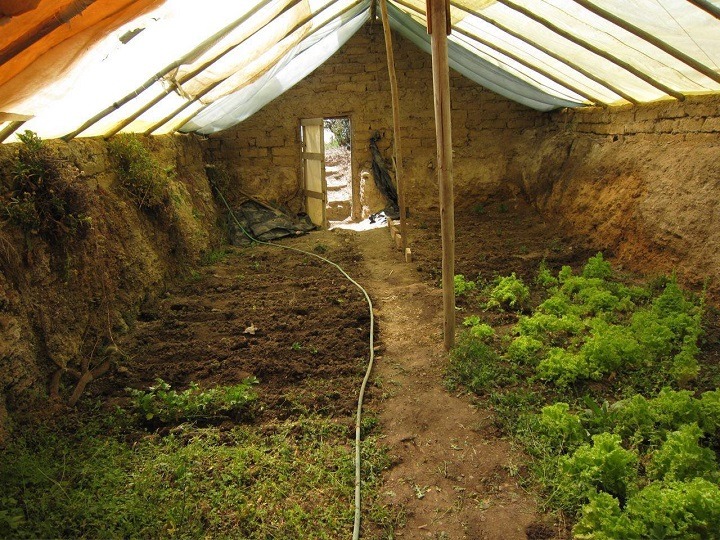
Why Choose an Underground Greenhouse?
1. Natural Thermal Stability
Just a few feet below the surface, soil temperatures remain remarkably consistent year-round. This natural insulation helps protect plants from freezing winters and overheating in summer, creating a balanced growing environment.
2. Protection From Harsh Weather
Because much of the structure sits below ground level, underground greenhouses are far less exposed to wind, hail, snow, and storms—reducing structural damage and plant stress.
3. Extended Growing Season
The stable internal climate allows vegetables, herbs, and greens to grow during months when outdoor gardens are dormant.
4. Energy Efficiency and Sustainability
With less need for artificial heating, underground greenhouses significantly lower energy use, making them an eco-friendly option for long-term food production.
Choosing the Right Location
Sun Exposure:
Select a site that receives maximum sunlight.
- Northern Hemisphere: south-facing slope
- Southern Hemisphere: north-facing slope
Drainage:
Good drainage is essential. Avoid low-lying areas where water collects. Gravel paths or raised beds help manage moisture.
Accessibility:
Ensure the greenhouse can be reached easily throughout the year, even during winter conditions.
How to Build an Underground Greenhouse
A. Excavation
- Depth: 8–10 feet, depending on local frost levels
- Size: A common layout is 10 × 20 feet, but dimensions can be adjusted to suit your needs
B. Walls
- Build using brick, stone, earthbags, or reinforced concrete
- Insulate the northern wall to retain heat using straw bales, foam boards, or similar materials
C. Roofing
- Use UV-resistant greenhouse plastic, polycarbonate panels, or glass
- Angle the roof to maximize sunlight and allow rain and snow to run off
D. Flooring
- Gravel floors improve drainage
- Concrete or natural soil floors are also options, depending on preference and crop type
E. Ventilation
- Install roof vents or high windows to release hot air
- Doors at each end improve airflow and accessibility
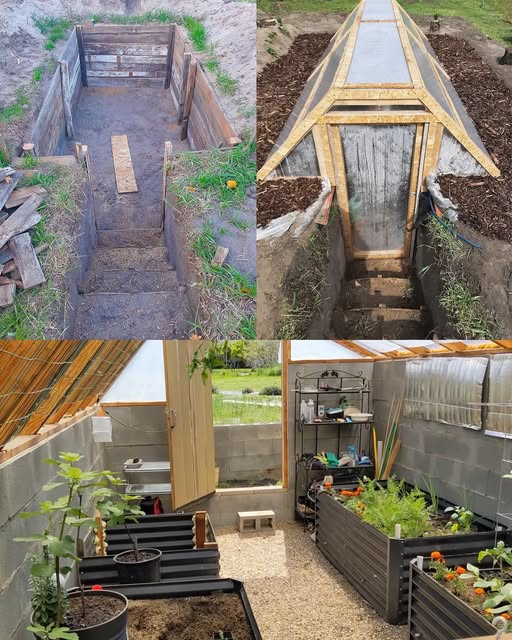
Maintaining an Underground Greenhouse
Climate Monitoring:
Track temperature and humidity regularly. Thermometers and simple sensors help maintain balance.
Pest Management:
Underground structures can attract insects or rodents. Inspect often and use natural deterrents when needed.
Watering Control:
Because moisture levels stay higher underground, adjust watering carefully to avoid root rot or standing water.
Extra Features That Improve Performance
- Water Barrels: Store water inside to absorb heat during the day and release it at night
- Raised Beds: Prevent waterlogging and improve root health
- Reflective Surfaces: Increase light distribution by lining walls with reflective materials
A Long-Term Investment in Food Security and Sustainability
An underground greenhouse is more than a gardening project—it’s a resilient food system built into the landscape itself. By harnessing natural insulation, reducing energy dependency, and protecting crops from extreme weather, this method offers reliable, year-round harvests even in challenging climates.
With thoughtful planning and regular maintenance, an underground greenhouse can provide fresh produce, greater self-sufficiency, and a powerful step toward sustainable living for years to come.
Leave a Reply