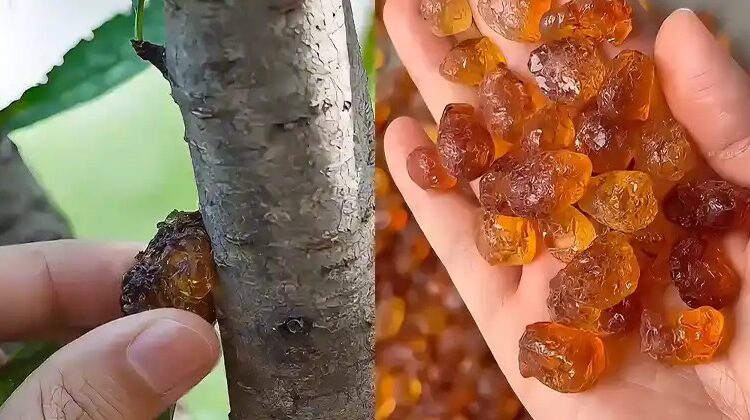
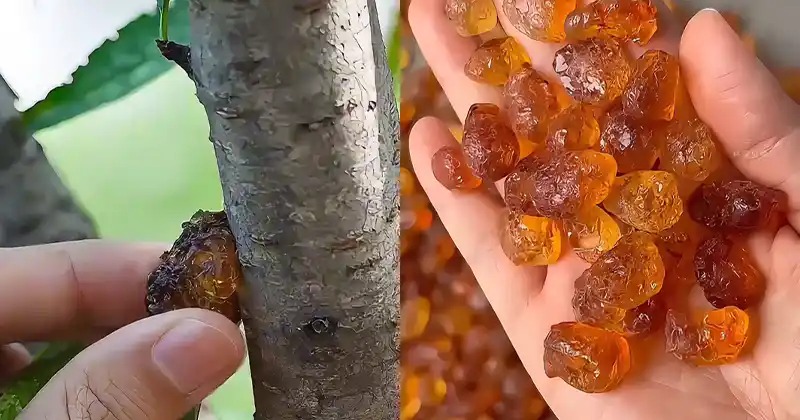
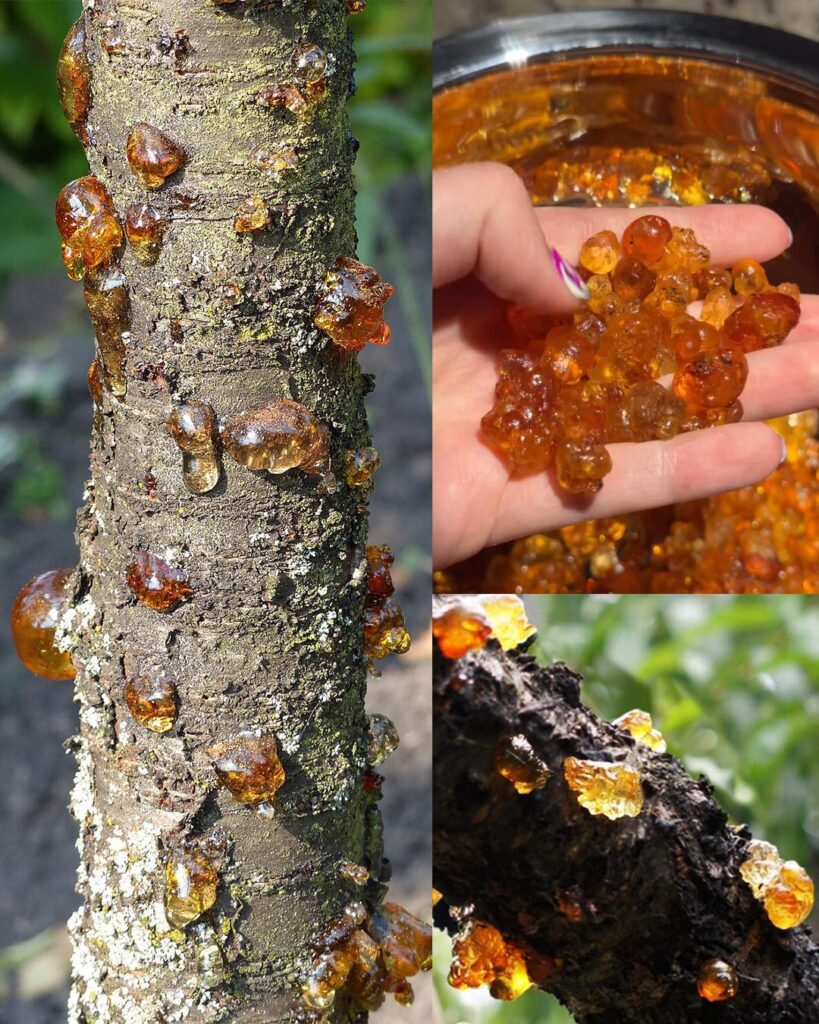
In orchards across East Asia, where peach trees bloom in pale clouds each spring, a lesser-known treasure forms quietly along the bark. This hardened amber secretion, known in Chinese as Tao Jiao (桃胶), is peach tree resin — a natural gum released by the tree in response to environmental stress or injury.
For centuries in China, Tao Jiao has been valued not only as a culinary delicacy but also as a traditional wellness ingredient. When dried resin is soaked in water, it swells dramatically — expanding eight to ten times its size — transforming into a translucent, jelly-like substance with a neutral taste and a soft texture.
In traditional Chinese households, it is simmered into sweet soups and tonics. In contemporary wellness culture, it is gaining renewed attention for its potential health-supporting properties.
Below are 15 of the most widely recognized benefits associated with peach tree resin, followed by practical guidance on how to prepare it at home.
15 Potential Benefits of Peach Tree Resin
1. Supports Skin Vitality
Peach resin contains plant-based polysaccharides and collagen-like compounds that are traditionally believed to help maintain soft, supple, youthful-looking skin.
2. Promotes Natural Detoxification
In traditional use, it is thought to support liver function and assist the body’s natural cleansing processes.
3. Enhances Hydration
When prepared as a soup or beverage, its gelatinous texture helps retain moisture, making it popular during dry seasons.
4. Aids Digestion
Traditionally used to soothe mild bloating, indigestion, and stomach discomfort.
5. Supports Immune Health
Some emerging studies suggest plant resins rich in antioxidants may contribute to immune system support over time.
6. Provides a Cooling Effect
In traditional Chinese medicine philosophy, Tao Jiao is considered a “cooling” food, believed to help balance excess internal heat during hot weather or fever.
7. Helps Reduce Inflammation
Its antioxidant profile may assist in calming internal inflammation, particularly in the digestive tract or skin.
8. May Improve Sleep Quality
Some users report a gentle calming effect when consumed regularly.
9. Supports Weight Balance
Naturally free of fat and sugar, peach resin can promote satiety, helping reduce overeating.
10. Gentle on Sensitive Stomachs
Its soft, soothing consistency makes it suitable for individuals with delicate digestion.
11. Traditionally Supports Women’s Wellness
Historically used to promote skin glow and support hormonal balance in traditional dietary practices.
12. Encourages Healthy Circulation
Believed in traditional medicine to support balanced blood flow and overall vitality.
13. May Support Joint Flexibility
Its collagen-like compounds are thought to help maintain joint comfort and flexibility.
14. Soothes Throat Dryness
Commonly added to sweet soups to ease dry coughs and throat irritation.
15. Contains Anti-Aging Antioxidants
Rich in natural antioxidants that help combat oxidative stress linked to visible aging.
How to Use Peach Tree Resin at Home
Preparation is simple, though patience is required.
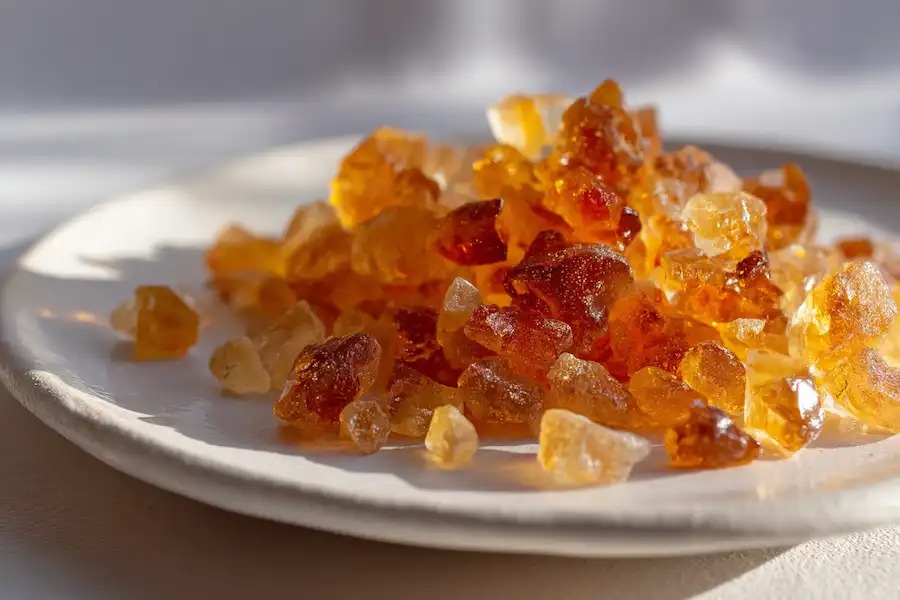
Step 1: Soaking
- Measure 1 tablespoon of dried peach resin.
- Soak in clean water for 10–12 hours (overnight is ideal).
- The resin will expand significantly and become jelly-like.
- Remove any dark or hardened impurities.
- Rinse thoroughly before cooking.
Important: Never consume peach resin raw. It must be soaked and cooked.
Step 2: Cooking Methods
Option A: Traditional Sweet Peach Resin Soup
- Add soaked resin to a pot of water.
- Include rock sugar, red dates, goji berries, or dried longan (optional).
- Simmer gently for 20–30 minutes.
- Serve warm or chilled.
Option B: With Milk or Coconut Milk
- Simmer soaked resin in water.
- Add coconut milk or almond milk for creaminess.
- Sweeten lightly with honey or maple syrup if desired.
Option C: Smoothie Addition
- After soaking and cooking, blend a spoonful into fruit smoothies for added texture and hydration benefits.
Storage Tips
- Store soaked and rinsed resin jelly in a clean container in the refrigerator for up to three days.
- Always cook before consuming.
- Discard if any unusual odor develops.
A Culinary Tradition Rooted in Nature

In traditional Chinese kitchens, Tao Jiao is more than an ingredient — it represents harmony between plant life and human nourishment. The resin forms as part of the tree’s natural healing response; when prepared properly, it becomes a gentle, hydrating food valued for balance and wellness.
From glowing skin to digestive comfort, from cooling summer desserts to soothing herbal soups, peach tree resin bridges ancient tradition and modern curiosity. Its appeal lies not in bold flavor, but in quiet nourishment.
As global interest in natural remedies and plant-based wellness continues to grow, ingredients like peach tree resin offer a compelling blend of tradition and simplicity. Used for centuries in Chinese culinary and medicinal practice, Tao Jiao reflects a broader philosophy — that healing often begins with gentle, consistent nourishment rather than dramatic intervention. Whether enjoyed as a sweet tonic or incorporated into modern recipes, this golden resin stands as a reminder that some of nature’s most powerful gifts are subtle, patient, and time-tested.
Disclaimer
While peach tree resin is considered safe for most people when properly prepared, individuals with allergies, digestive conditions, or underlying health concerns should consult a healthcare professional before introducing new herbal or traditional remedies into their routine.
Leave a Reply