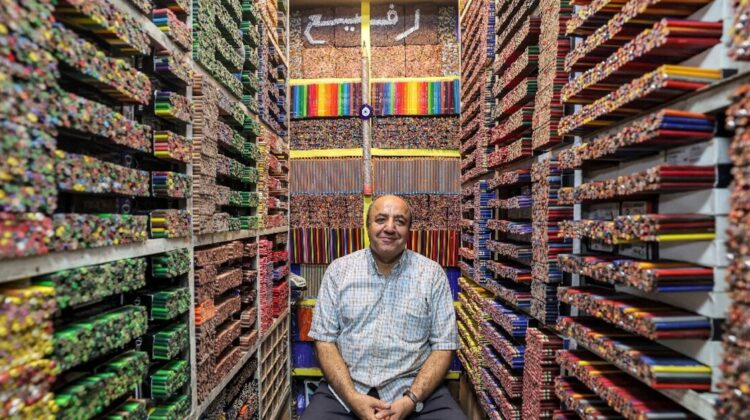
In a dimly lit corner of the legendary Grand Bazaar, tucked deep inside the maze-like corridors of Tehran, Mohammad Rafi sits surrounded by every color imaginable.
His tiny three-square-meter shop sells just one thing: art pencils.
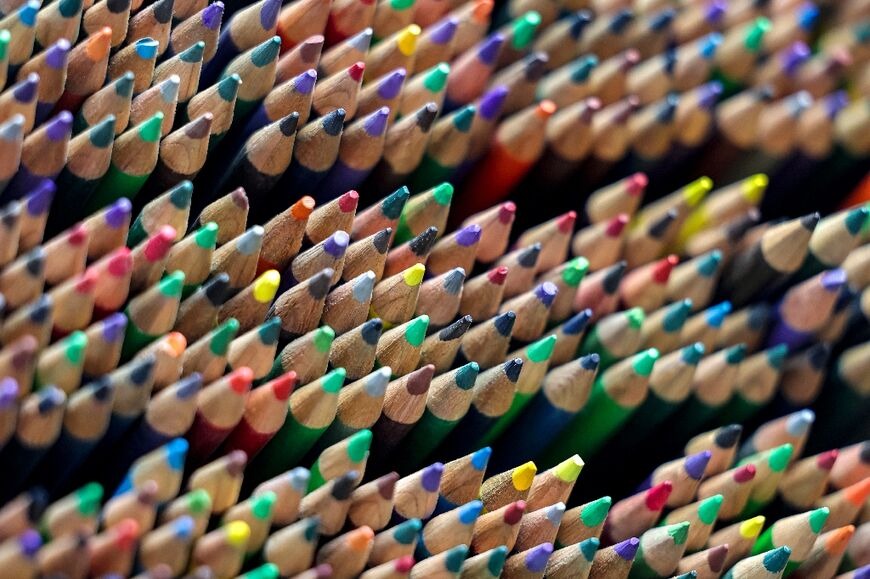
In a world dominated by tablets and touchscreens, Rafi has remained loyal to graphite and pigment for 35 years. Floor-to-ceiling stacks of pencils in nearly 200 shades transform his cubicle into a glowing mosaic of color — a hidden gem inside what locals call a “city within a city.”
“I don’t know how many pencils there are,” the 50-year-old shopkeeper said with a smile. “But I have about 200 colours available.”
A Treasure Hidden in the Market
Finding his shop requires patience. The Grand Bazaar’s narrow alleys twist through historic passageways lined with spice merchants, carpet traders, and artisans. In the arts and crafts section, Rafi’s miniature storefront bursts like a rainbow against the dim brick walls.
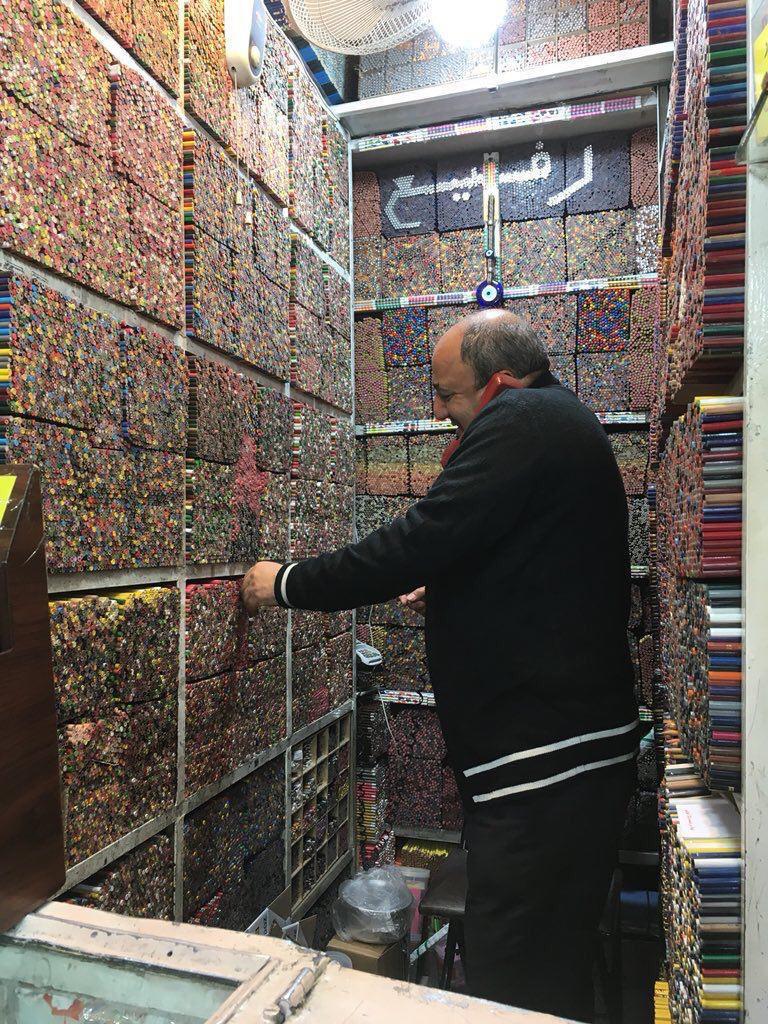
Much of the space is filled by Rafi himself — and the thousands of pencils stacked tightly around him.
“Every time a customer shows up, I enjoy it, even if they don’t buy anything,” he said warmly.
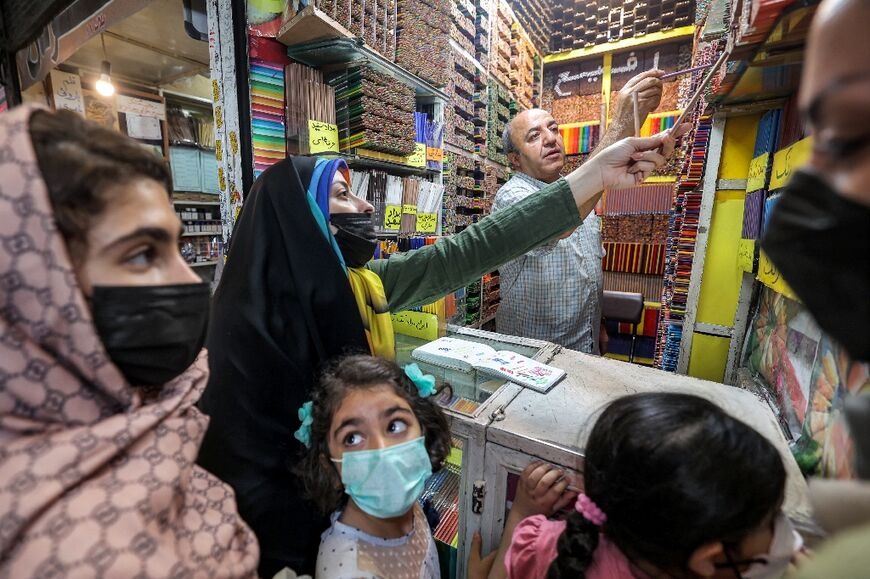
Recently, he spent nearly 10 minutes helping a schoolgirl choose two pencils — one blue, one orange — guiding her through textures and tones as she tested them carefully on a drawing pad.
More Than Just Color
“Depending on what they want to do with it, I advise customers on the colour, the texture, or the brand,” Rafi explained.
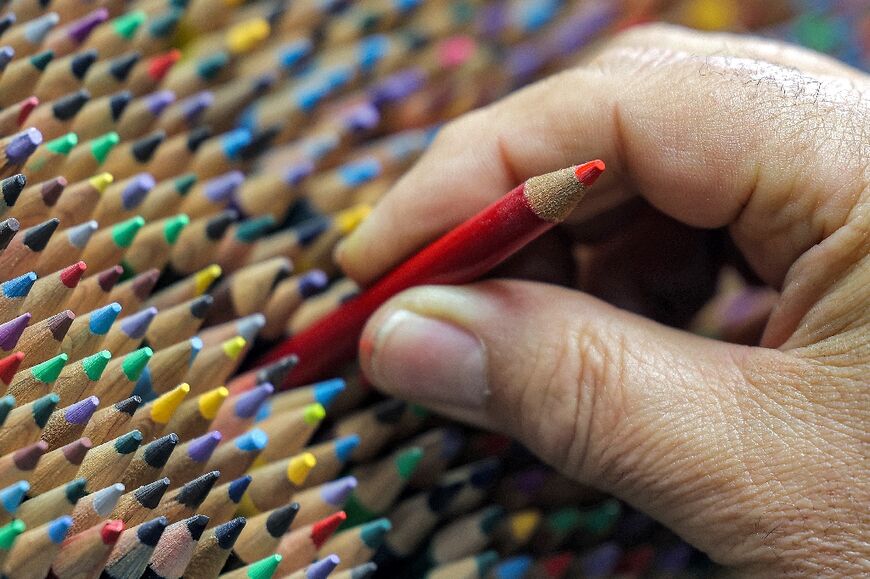
He sells pencils individually rather than by the box, catering to artists, students, and hobbyists of all budgets. His inventory includes locally made pencils as well as imports from Europe and the United States.
“The most expensive pencil costs 100,000 tomans (around two euros),” he said. “But it is one of the best.”
A Lifetime Devoted to Pencils
Rafi’s love for drawing began in childhood. After technical studies in the 1980s, he worked for a pencil manufacturing company before opening his own shop.
He knows the golden age of colored pencils — when every child carried them in their school bag — may have faded in the digital era. But for him, the craft remains timeless.
Unlike many bazaar merchants, Rafi does not plan to pass the business to his son, a trained physician uninterested in continuing the trade.
Still, he has no plans to leave anytime soon.
Among his prized possessions is a pencil made 72 years ago — one of many discontinued treasures he has carefully preserved over decades.
“Fortunately, I have a large stock,” he said proudly.
A Living Reminder of Analog Beauty
In an age of instant downloads and stylus screens, Mohammad Rafi’s shop stands as a quiet tribute to patience, craftsmanship, and color.
Hidden in the winding corridors of Tehran’s historic bazaar, his tiny store proves that sometimes, the simplest tools — wood, pigment, and graphite — still hold extraordinary power.
As global interest grows in art supplies, creative education tools, specialty stationery products, and premium drawing materials, small artisan retailers like Rafi’s highlight the enduring demand for high-quality analog craftsmanship. In a rapidly digitizing world, niche creative supply markets continue to attract artists, collectors, and cultural tourism — proving that traditional tools still hold economic and artistic value.
Leave a Reply