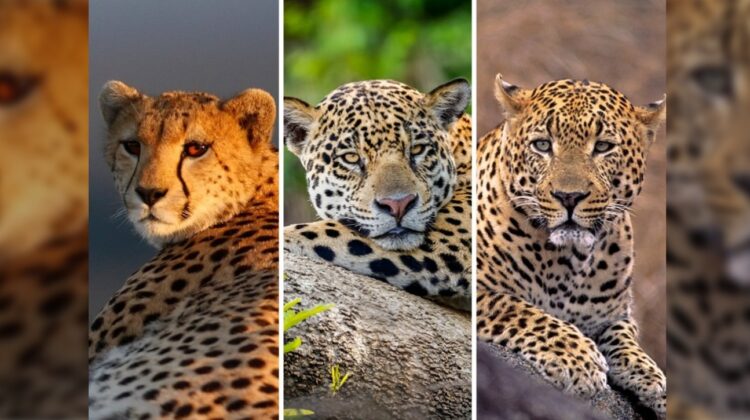
Cheetah
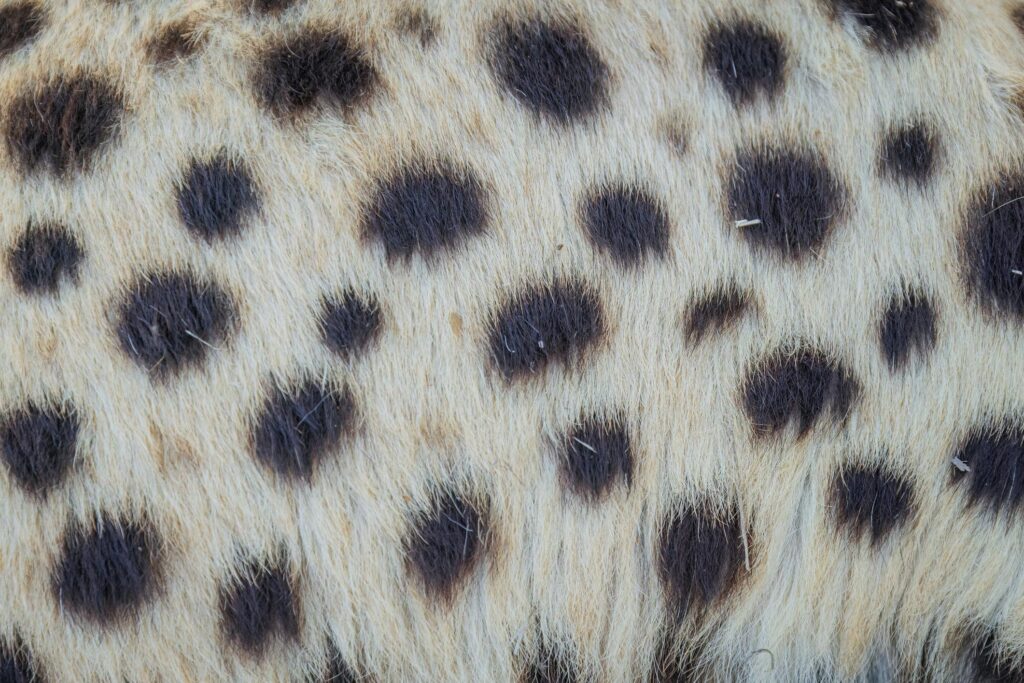
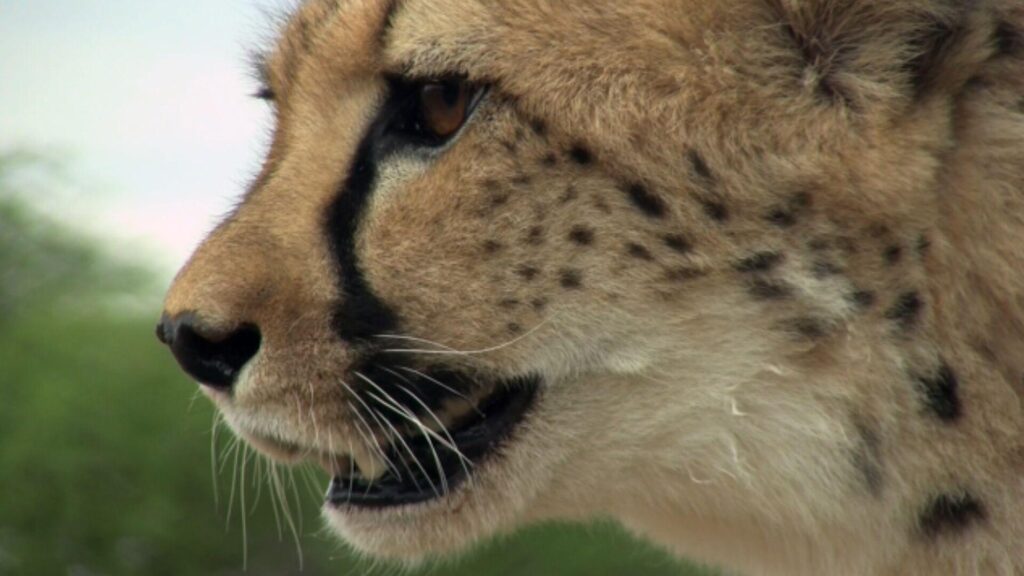
The cheetah is the easiest to identify. Its coat features small, solid black spots spread evenly across a golden-yellow body. The pattern looks clean and uniform, with no complex shapes. Another key clue is the dark “tear marks” running from the eyes down to the mouth.
Leopard
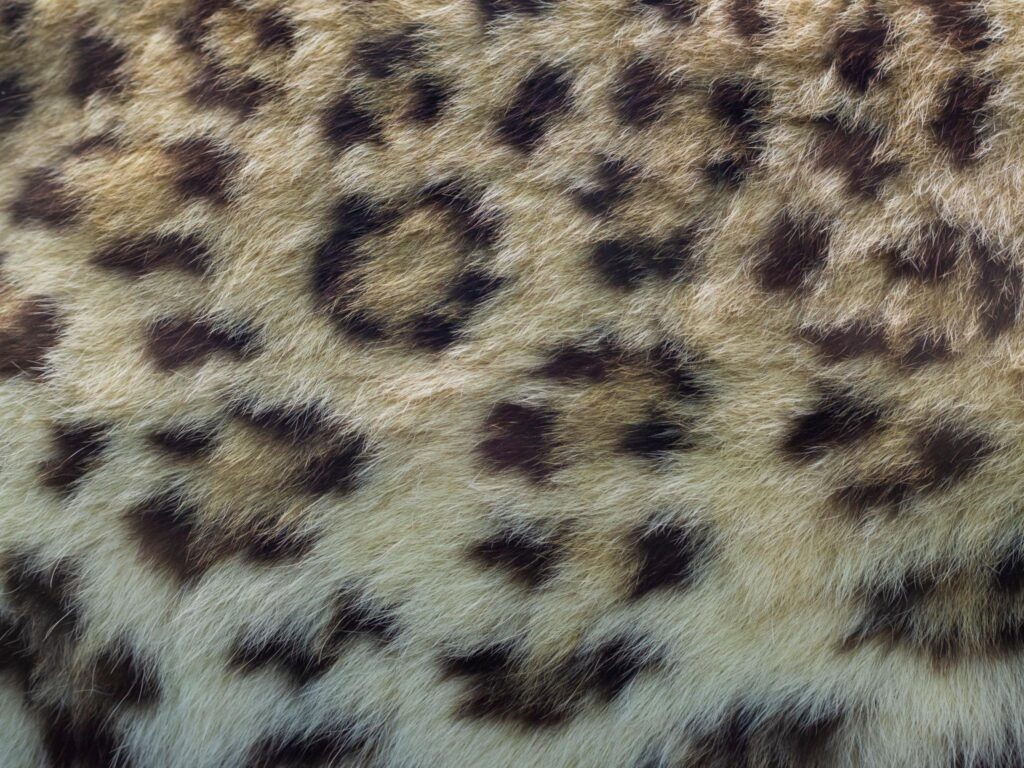
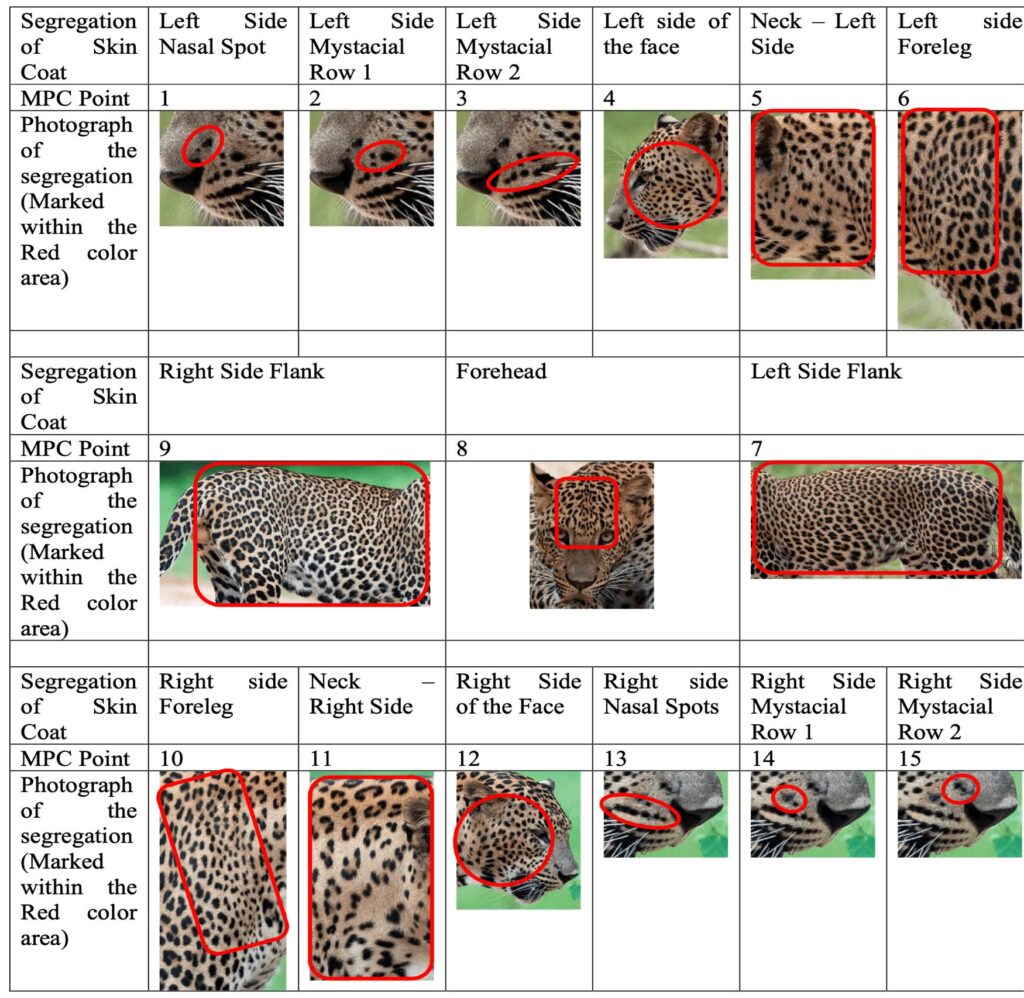
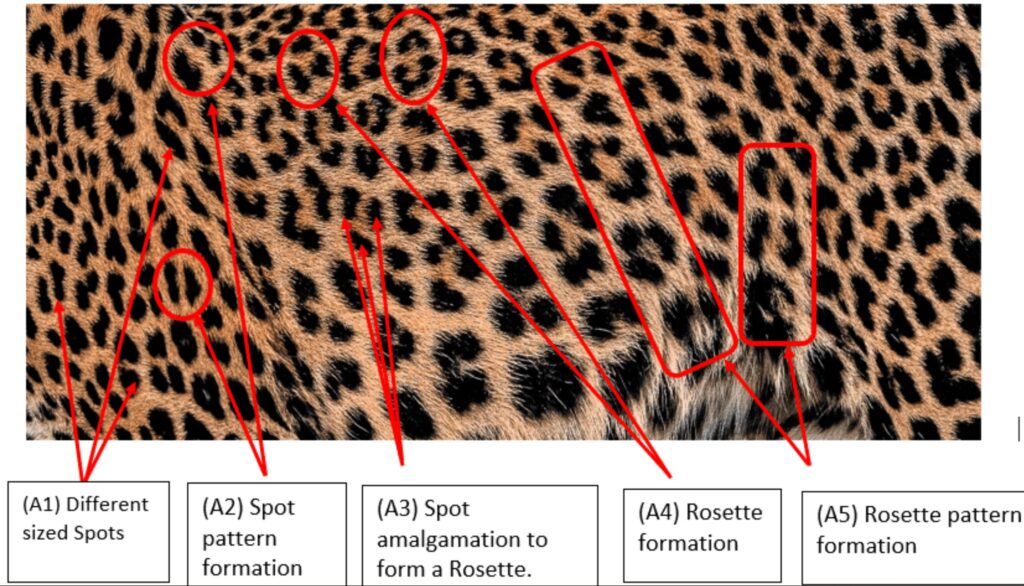
The leopard has a more intricate design. Its fur is covered in rosette-shaped markings—clusters of spots forming circular patterns without a central dot. This gives the coat a dense, textured appearance, ideal for blending into forests and grasslands.
Jaguar
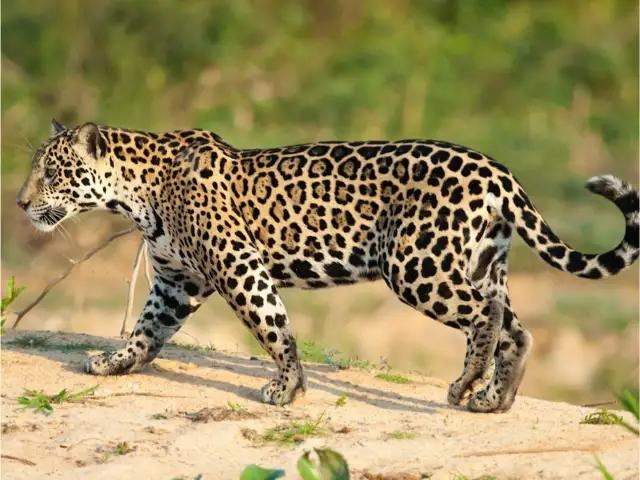
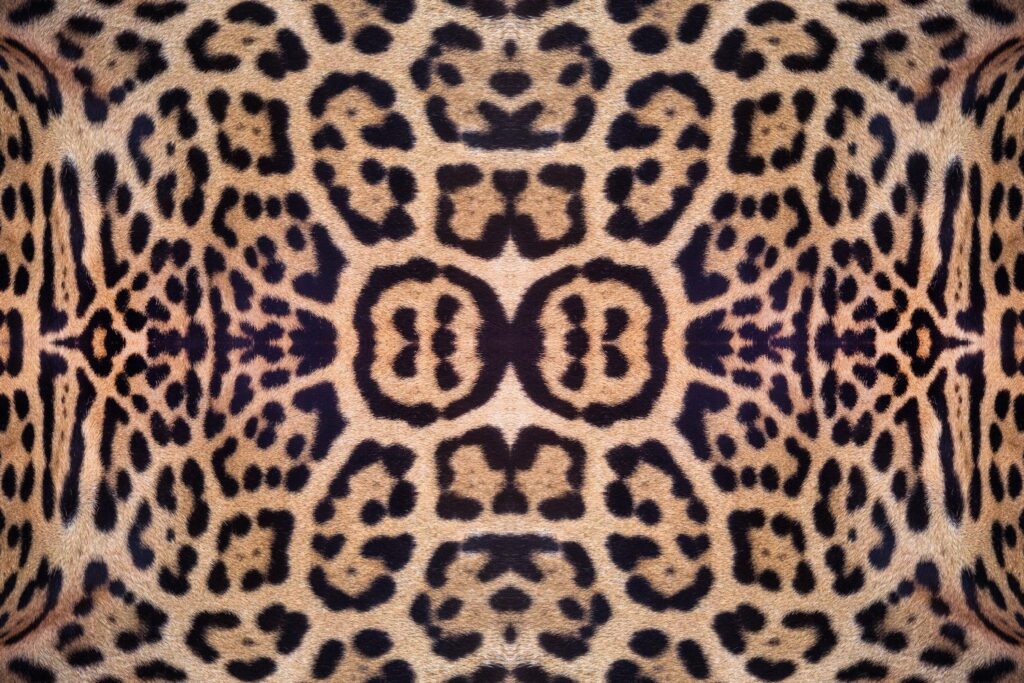
The jaguar displays the boldest pattern of all. Its large rosettes often contain central black dots, making the coat appear heavier and more complex. The markings are fewer but thicker, giving the jaguar a powerful, high-contrast look.
What sets them apart
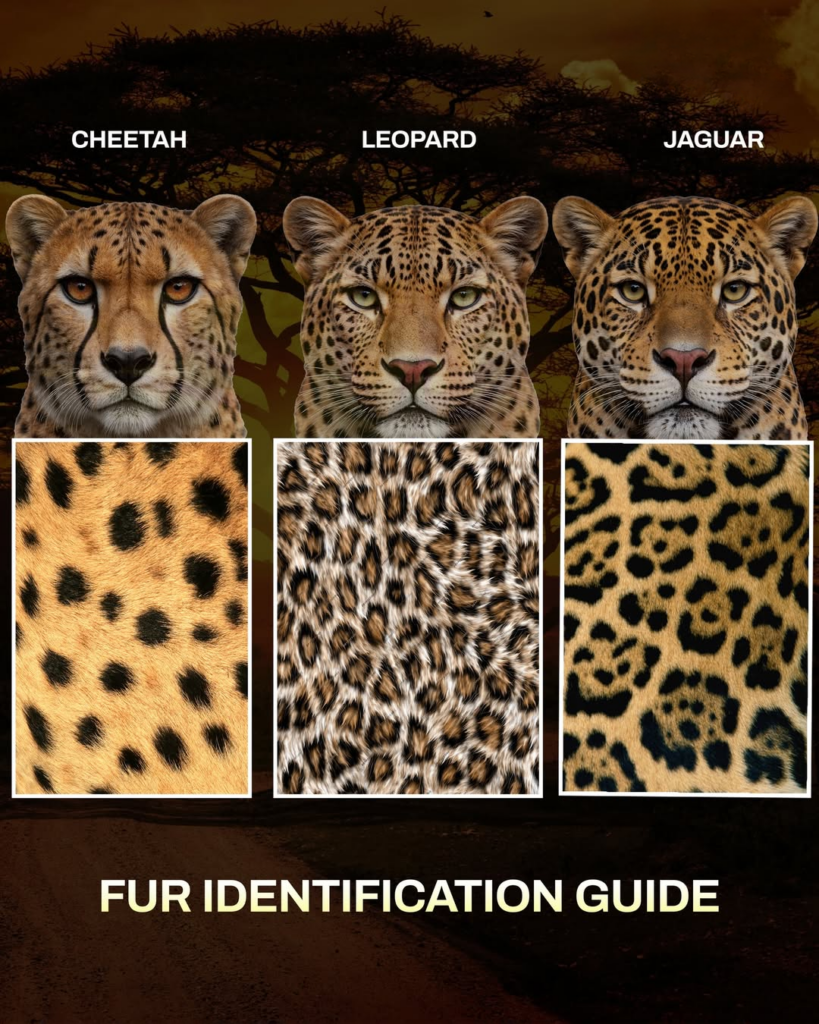
At a glance, the difference comes down to simplicity versus complexity:
- Cheetah → solid spots
- Leopard → rosettes without dots
- Jaguar → rosettes with dots
These subtle variations are not just visual—they reflect how each species evolved to survive in different environments.
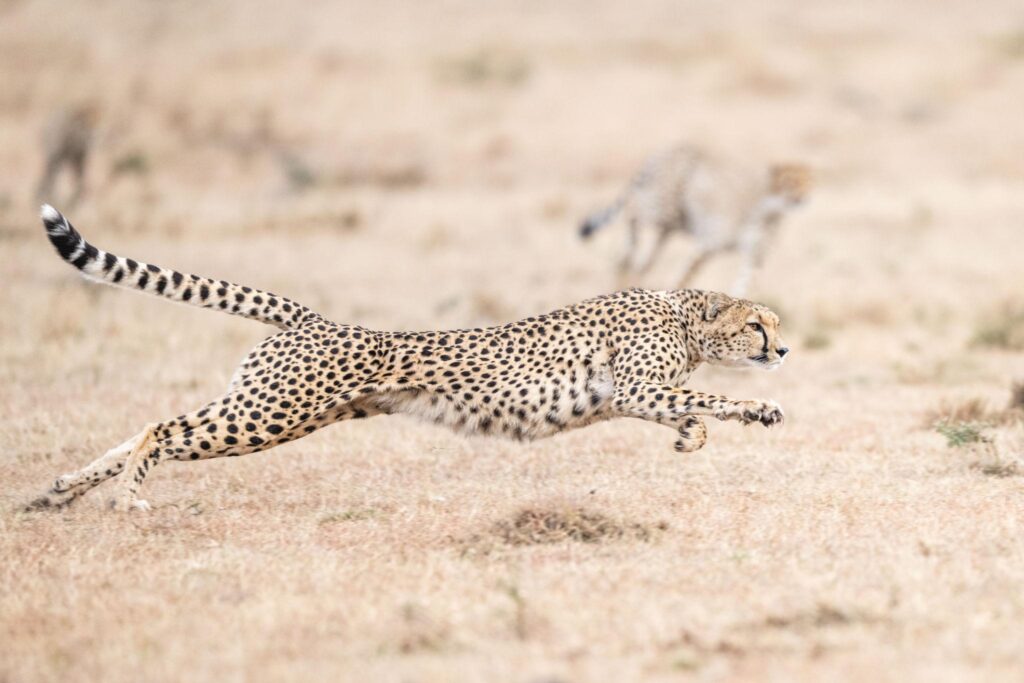
Understanding these visual differences does more than help with identification—it opens a window into how predators adapt to their surroundings. From speed-driven hunters like the cheetah to stealthy ambush specialists like leopards and jaguars, each pattern tells a story of survival, precision, and evolution in the wild.
Leave a Reply