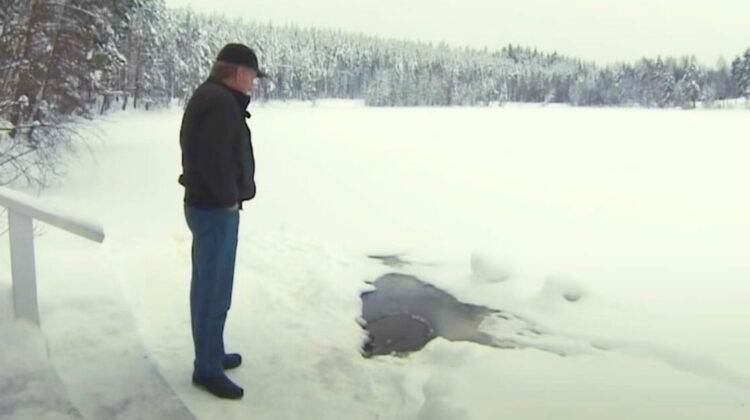
Friendship comes in many varieties. There’s the elephant with a dog for a best friend, the dog whose bestie is a duck — and then there’s Seppo Laamanen and a wild otter who decided, on his own terms, that a retired man’s porch in eastern Finland was worth visiting every single day.
A Winter Doorstep Visitor
In 2011, Seppo Laamanen — then 65 — lived alone in a red cottage with white trim in Punkaharju, a small municipality in eastern Finland known for its narrow forested ridges between lakes. One winter day, he opened his door to find a small, malnourished otter sitting on the porch.
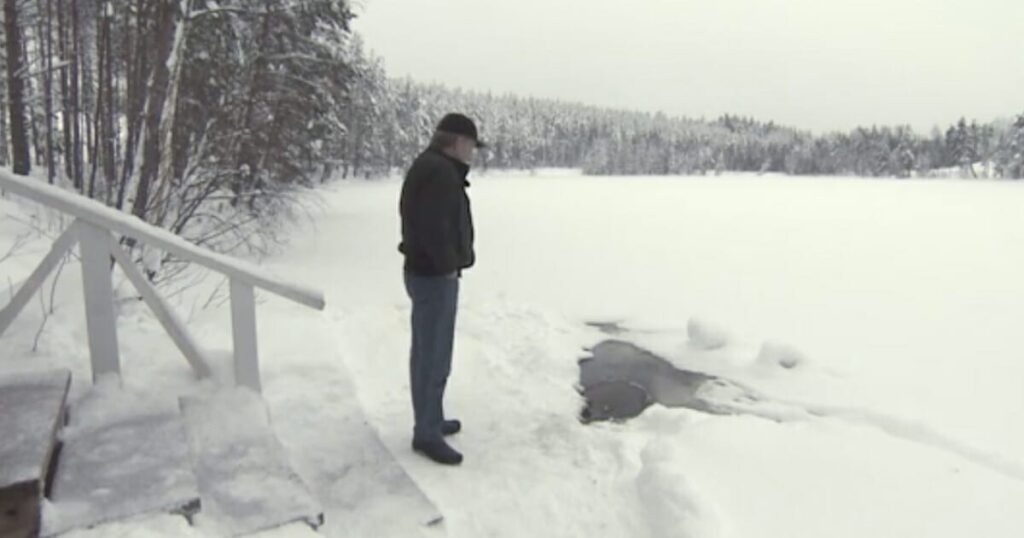
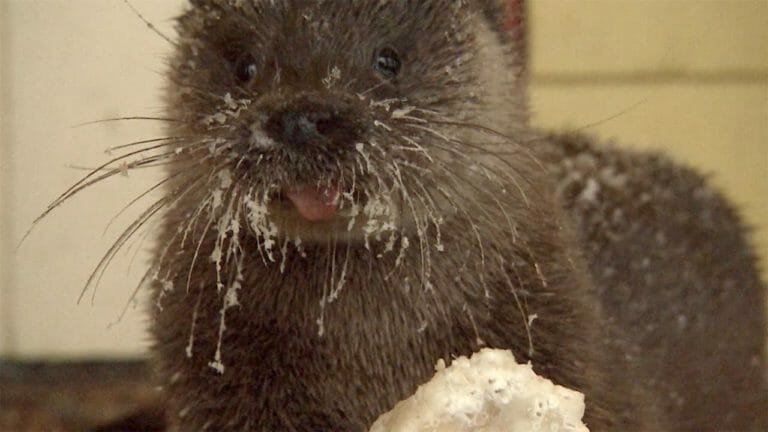
Rather than turn the animal away, Seppo fed him worms and fish. According to The Telegraph, that single act of kindness turned into something neither of them expected: the otter, whom Seppo named Iivari, kept coming back — and the two became, by most accounts, inseparable.
A Trust Few Wild Otters Ever Show
Word of the friendship spread through Punkaharju, and visitors began showing up hoping to see it for themselves. Iivari, however, made clear the bond was with Seppo specifically — when unfamiliar people approached, he’d burrow into the snow and refuse to come out until Seppo called him by name.
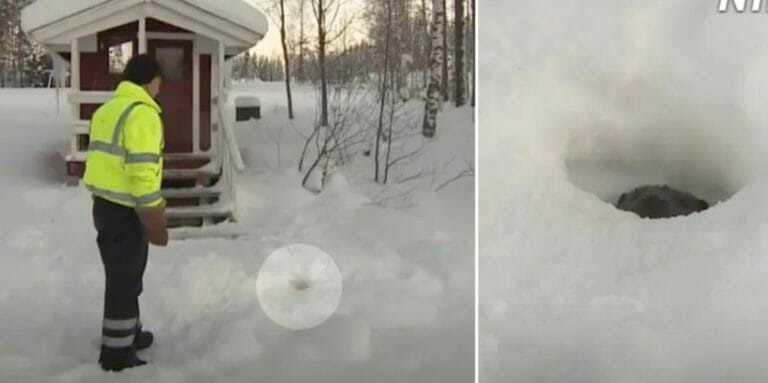
That level of selective trust is genuinely unusual. Eurasian otters (Lutra lutra), the species native to Finland’s lakes and rivers, are naturally shy, semi-aquatic carnivores that typically avoid sustained human contact entirely. They’re most active at dawn, dusk, and overnight, spend the bulk of their lives in and around water, and generally treat humans as a threat to avoid rather than a potential food source — which is part of what made Iivari’s daily visits to a specific person’s porch stand out enough to draw international attention.
Why It May Have Worked
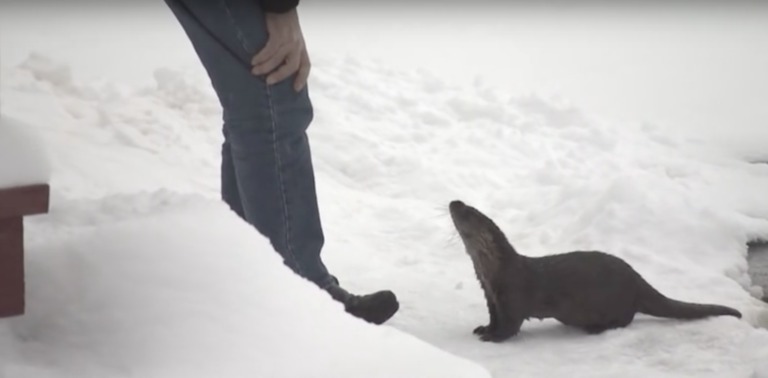
Wildlife behaviorists generally caution against feeding wild animals, since it can create dangerous dependency or aggressive food-seeking behavior. But Iivari’s case unfolded gradually and specifically around one consistent person, in a low-traffic rural setting — closer to the kind of slow, mutual habituation seen in some long-term wildlife caretaker relationships than to opportunistic feeding. Seppo never attempted to house or cage the otter; Iivari remained fully wild and free to leave, and simply kept choosing to come back.
A Story That Kept Spreading
Footage of the pair, shared by outlets including Story Trender, went on to draw millions of views over the following years — an unusual amount of attention for what was, at its core, one man consistently showing up for a hungry animal who showed up for him right back.
Frequently Asked Questions
Is it safe or advisable to feed wild otters like Seppo did? Wildlife experts generally advise against feeding wild animals due to dependency and safety risks, though this case unfolded as a gradual, consistent relationship with one person rather than casual feeding, which is part of why it’s considered unusual rather than a general recommendation.
Are Eurasian otters common in Finland? Yes — Eurasian otters are native to Finland’s extensive lake and river systems, though they’re elusive and rarely seen up close due to their shy, primarily nocturnal habits.
Do otters typically bond with individual humans this way? No — this kind of sustained, selective trust toward one specific person is highly unusual for a wild otter, which is a large part of why Seppo and Iivari’s relationship drew so much attention.
Source: The Telegraph, cited above.
Leave a Reply