What they discovered inside its stomach shocked everyone.
Lion Park Harare in Zimbabwe is known as a sanctuary for many wild animals.
The park is home to lions, wolves, jackals, monkeys, warthogs and bush pigs. Many of these animals were rescued from dangerous situations such as illegal wildlife trade or traps in the wild.
Visitors come from around the world to observe these animals up close and experience wildlife in a protected environment.
But recently, park officials made a heartbreaking discovery that sparked outrage online.
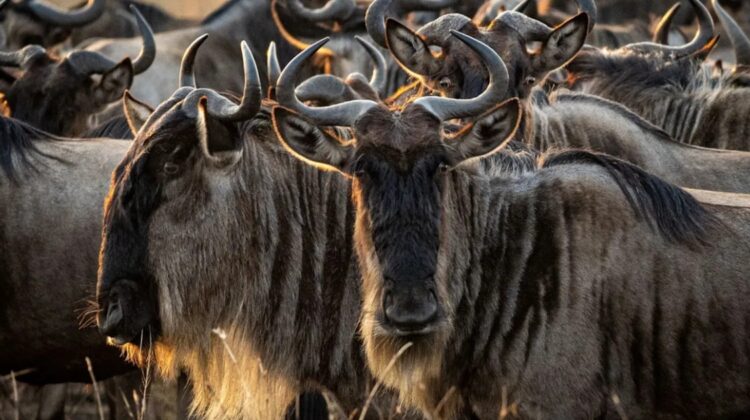
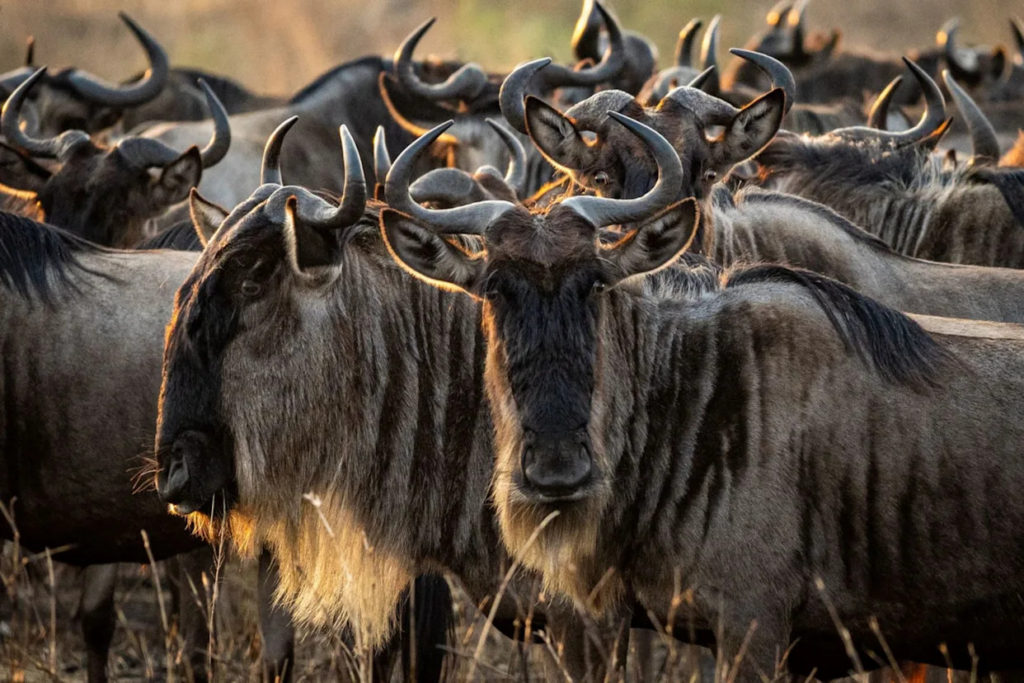
One of the park’s wildebeest was found dead.
At first, staff members weren’t sure what had caused the animal’s sudden death. The wildebeest had appeared healthy just days earlier, leaving caretakers confused and concerned.
To understand what had happened, veterinarians conducted an autopsy.
What they discovered inside the animal’s stomach was deeply disturbing.
The wildebeest had swallowed five plastic bags.
The plastic had likely been thrown on the ground by visitors and later eaten by the animal while it was grazing.
For wildlife, objects like plastic bags can easily be mistaken for food.
Once swallowed, the plastic can block the digestive system and slowly lead to starvation, internal injury, or poisoning.
Park officials shared the discovery publicly, hoping the tragic case would serve as a warning to visitors.
They reminded guests that trash bins are placed throughout the park for a reason.
Unfortunately, littering remains a serious problem in many wildlife areas around the world.
Plastic pollution has become one of the biggest environmental threats to animals. According to global environmental reports, trillions of plastic bags are used every year, and many of them end up in nature.
Once there, animals often mistake them for food.
Cases like this are becoming increasingly common.
In many places, bears, deer, sea turtles, and other animals have died after ingesting plastic waste left behind by humans.
The tragedy at Lion Park Harare is a painful reminder that even small actions can have serious consequences for wildlife.
For visitors, seeing animals in their natural or protected habitats is an incredible privilege.
But with that privilege comes responsibility.
Respecting nature, following park rules, and properly disposing of trash can make a huge difference in protecting the animals that live there.
Park officials hope that by sharing this story, more people will understand the impact of littering — and choose to act more responsibly in the future.
Environmental protection has become increasingly important as plastic pollution continues to threaten wildlife across the planet. Many conservation organizations now invest in wildlife protection programs, environmental cleanup projects, eco-tourism initiatives, sustainable waste management systems, and conservation education programs to reduce the harmful impact of plastic waste on animals and natural ecosystems.
Leave a Reply