An American millionaire and experienced big-game hunter has died after being crushed by elephants during a hunting expedition in Gabon, according to local reports and safari operators.
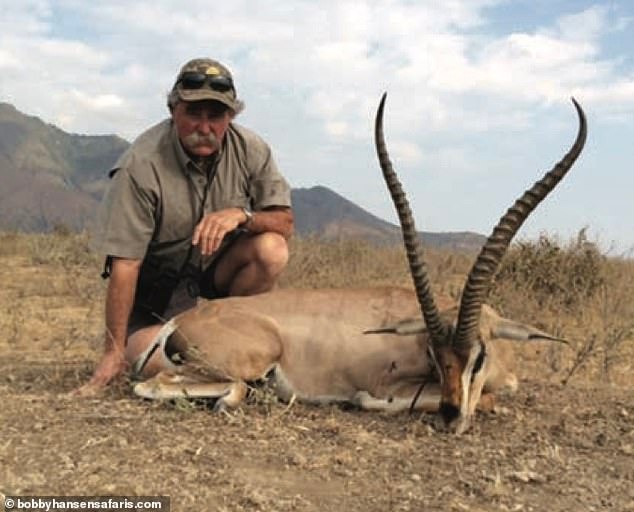
Ernie Dosio, 75, was on a licensed hunting trip in the dense forests of central Gabon when the incident occurred. He had been tracking a yellow-backed duiker—an elusive antelope species—inside the Lope-Okanda National Park when he and his guide unexpectedly encountered a group of forest elephants.
Sudden encounter in dense rainforest
Reports indicate that the group consisted of five female elephants and a calf. The animals were believed to have been startled by the presence of the hunters at close range.
Forest elephants are known for their highly sensitive and defensive behaviour, particularly when young calves are nearby. What began as a routine tracking expedition quickly turned into a fatal encounter.
Safari company Collect Africa confirmed the death of its client, adding that the professional hunter accompanying Dosio sustained serious injuries during the incident.
A prominent figure in hunting circles
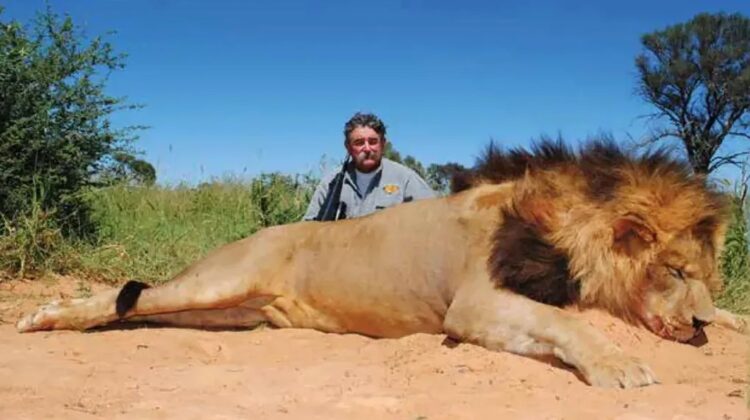
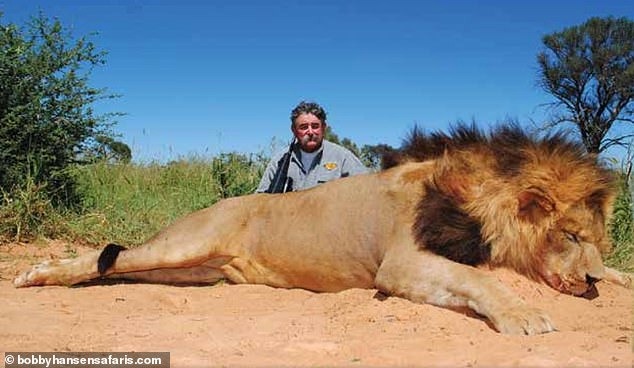
Originally from Lodi, California, Dosio was a vineyard owner and businessman. He led Pacific AgriLands Inc, which manages thousands of acres of vineyard land and supports wine producers.
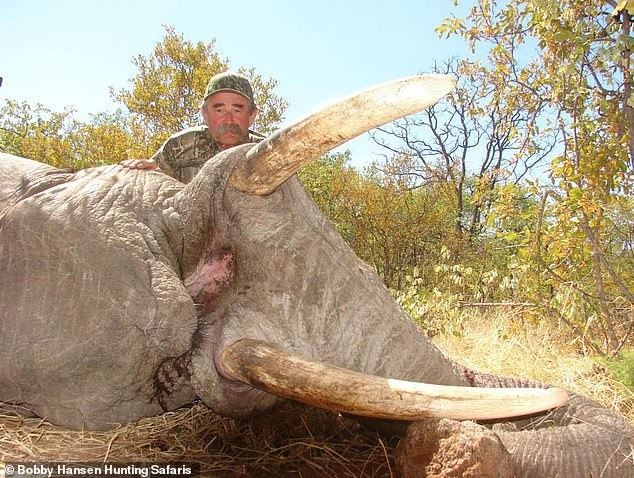
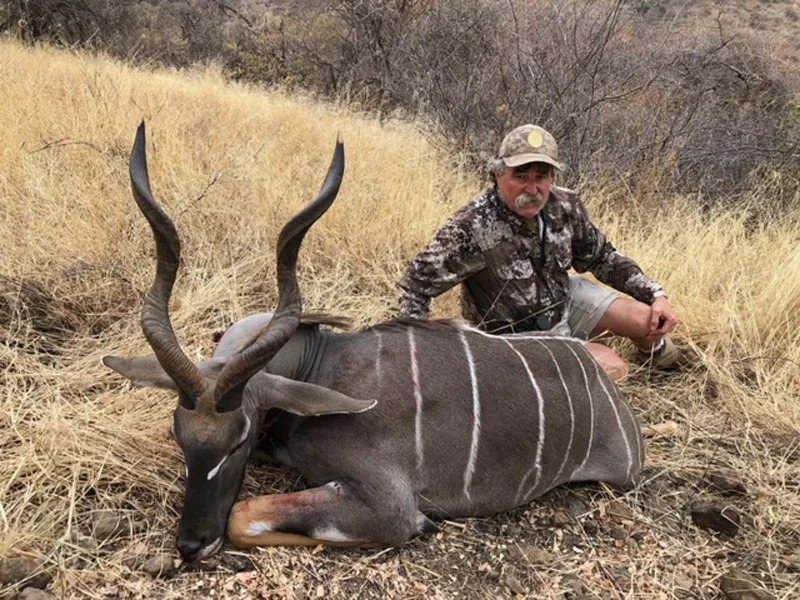
He was also a well-known member of the Sacramento Safari Club and had spent decades hunting across Africa and the United States. Those familiar with him described his expeditions as legally permitted and conducted under conservation-based quotas.
A region home to endangered wildlife
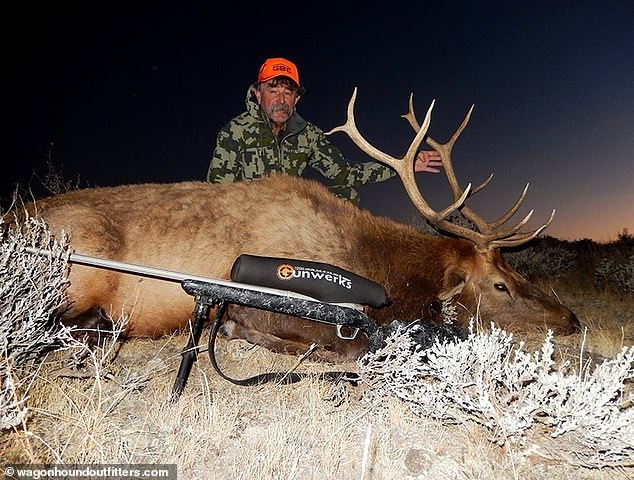
Gabon’s forests are considered one of the last strongholds of the African forest elephant, with an estimated 95,000 individuals—representing a significant portion of the global population.
The species is classified as critically endangered due to habitat loss and poaching, making human-wildlife encounters in such regions both rare and highly unpredictable.
Debate over trophy hunting continues
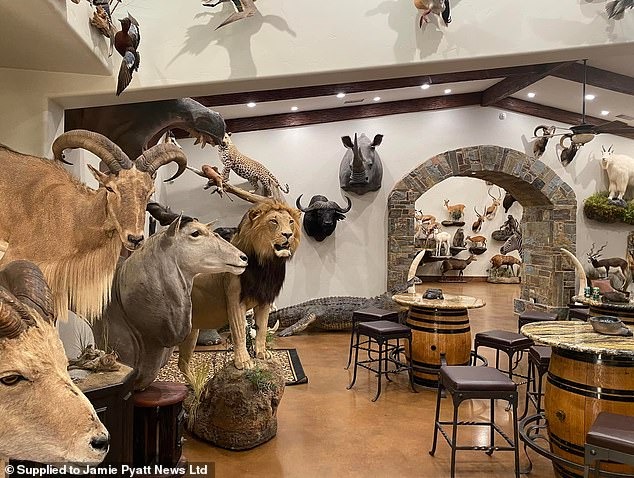
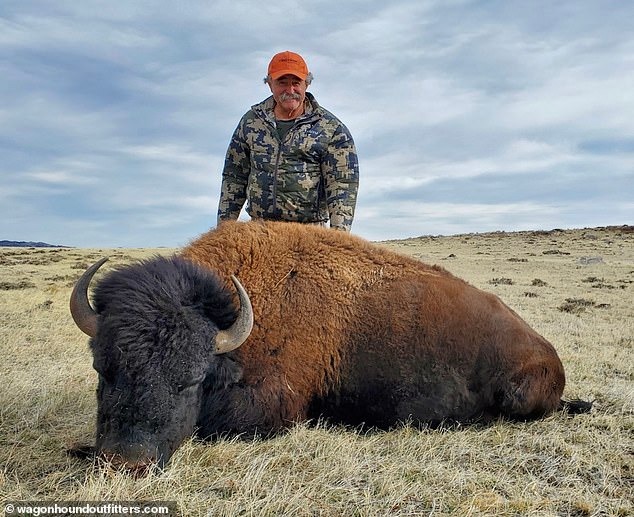
The incident has once again drawn attention to the global trophy hunting industry, which generates millions of dollars annually but remains deeply controversial.
Supporters argue that regulated hunting can contribute to conservation funding and population management. Critics, however, question its ethical implications and long-term environmental impact.
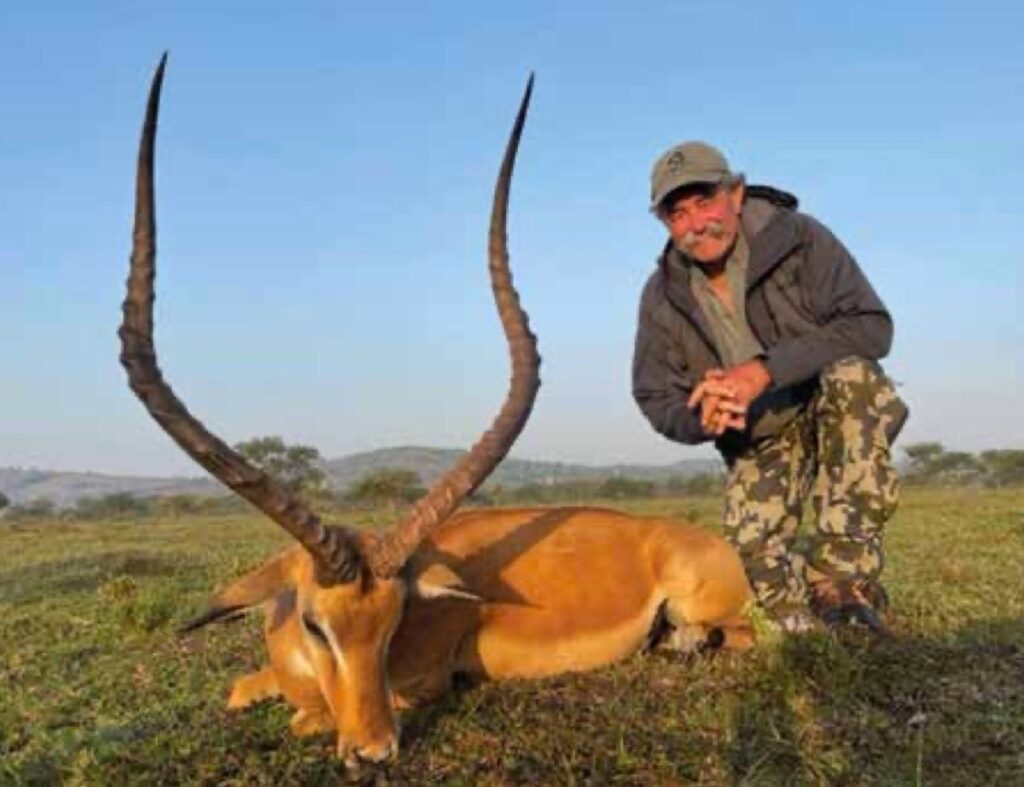
High-profile figures, including Donald Trump Jr., have previously been associated with trophy hunting, further fueling public debate.
Authorities, including officials from the US embassy in Gabon, are coordinating the return of Dosio’s remains to the United States.
Encounters like this highlight the unpredictable and often dangerous intersection between humans and wildlife in some of the world’s most fragile ecosystems. As pressure on natural habitats increases, the balance between conservation, tourism, and hunting becomes more complex. The future of wildlife management will depend on stricter oversight, ethical accountability, and a deeper understanding that in the wild, nature ultimately sets the rules.
Leave a Reply