
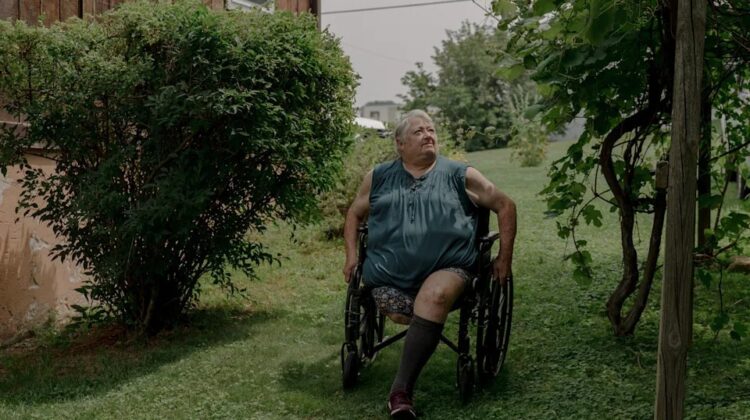
ELKTON, Md. — For decades, Debbie Blankenship thought her health struggles — including the loss of her right leg to infection and a long battle with cancer — were simply bad luck. But when her dogs kept dying of cancer, one after another, she began to suspect something more sinister was at play.
In 2023, her fears were confirmed. A phone call from W.L. Gore & Associates, the Delaware-based company behind Gore-Tex and other products, revealed that her private well water needed testing for PFOA, a toxic “forever chemical” used to manufacture PTFE (commonly known as Teflon). That was when, Blankenship said, “the light went off.”
She and her dogs were the only members of her household who drank the well water. Her husband and children had always stuck to bottled water.

A Toxic Legacy in Elkton
The test results were alarming. While Blankenship’s well showed 3.4 parts per trillion (ppt) of PFOA — just below the EPA’s maximum contaminant level of 4 ppt — the agency has long warned that no amount of exposure is safe. Other homes near Gore’s Cherry Hill facility revealed staggering contamination levels, with wells testing as high as 800 ppt and groundwater samples reaching 1,800 ppt.
These findings came after former Gore employee Stephen Sutton filed a lawsuit in 2022, accusing the company of knowingly endangering both workers and the surrounding community with PFAS exposure. That lawsuit triggered a wave of legal action: a class-action suit in 2023 and a state lawsuit filed by Maryland in 2024.
Maryland Attorney General Anthony G. Brown declared at the time:
“It is unacceptable for any company to knowingly contaminate our drinking water with these toxins, putting Marylanders at risk of severe health conditions.”
PFAS chemicals — sometimes called “forever chemicals” because they do not break down — have been linked to cancer, infertility, heart disease, developmental delays, and other serious illnesses.

Gore’s Response
Gore has denied concealing health risks. Company spokeswoman Amy Calhoun acknowledged “isolated numbers” of high concentrations but insisted the impact was “limited.”
“We do know now that a limited amount of PFOA has been released as part of our historic operations and in concentrations that by today’s standards are higher than acceptable,” she said.
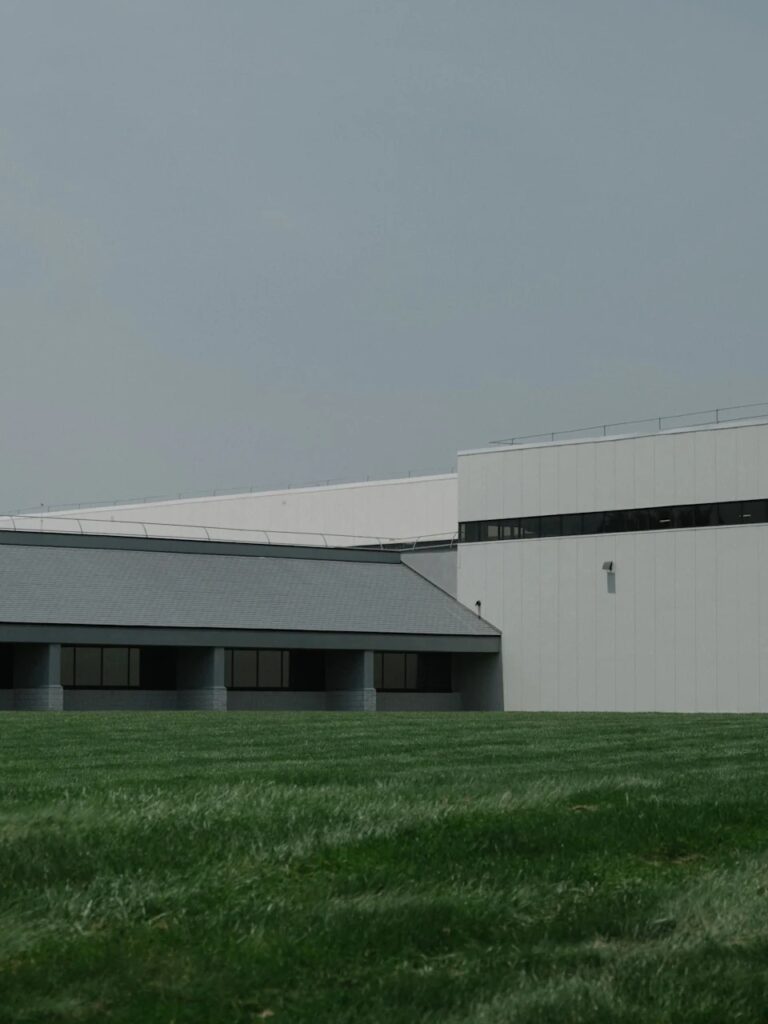
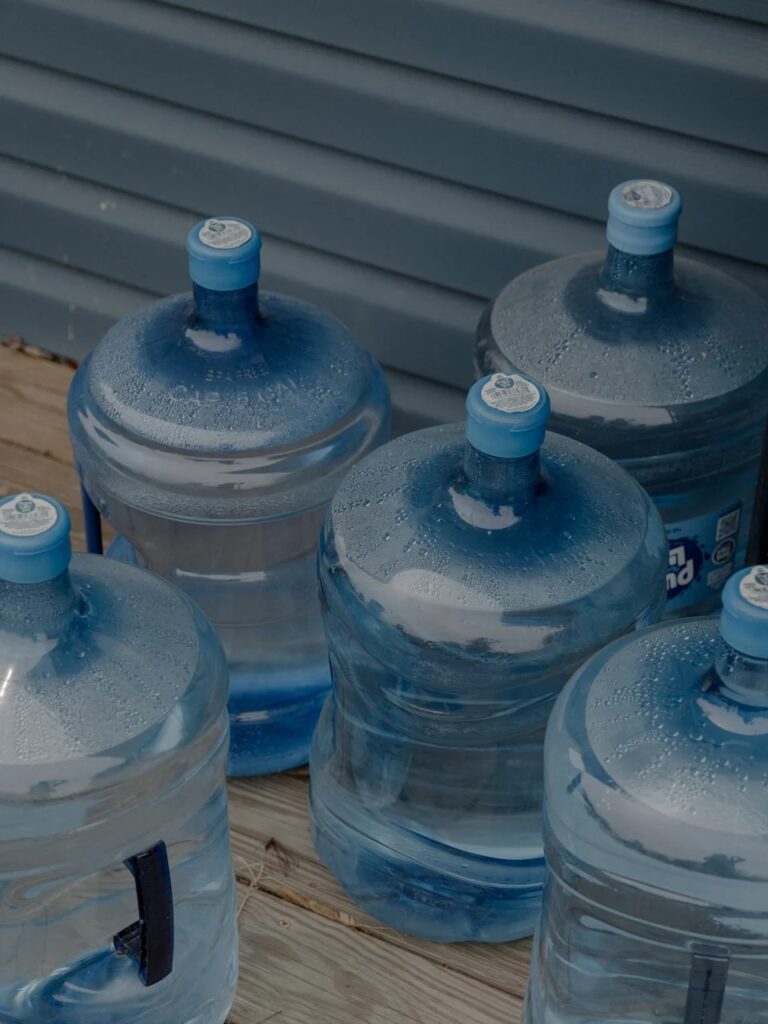
The company claims it never manufactured PFOA directly and eliminated its use from the supply chain in 2014. Since then, Gore says it has installed 84 water filtration systems and connected 13 homes to the public water utility. Blankenship currently relies on bottled water provided by the company, while her garden grows with captured rainwater.
Community at Risk
Elkton’s connection to Gore runs deep. The company employs more than 3,100 residents across 14 facilities, generating $5 billion in revenue. Local schools even bear signs marking their partnership with Gore. But beneath the surface, residents fear the contamination will leave a multigenerational health crisis.
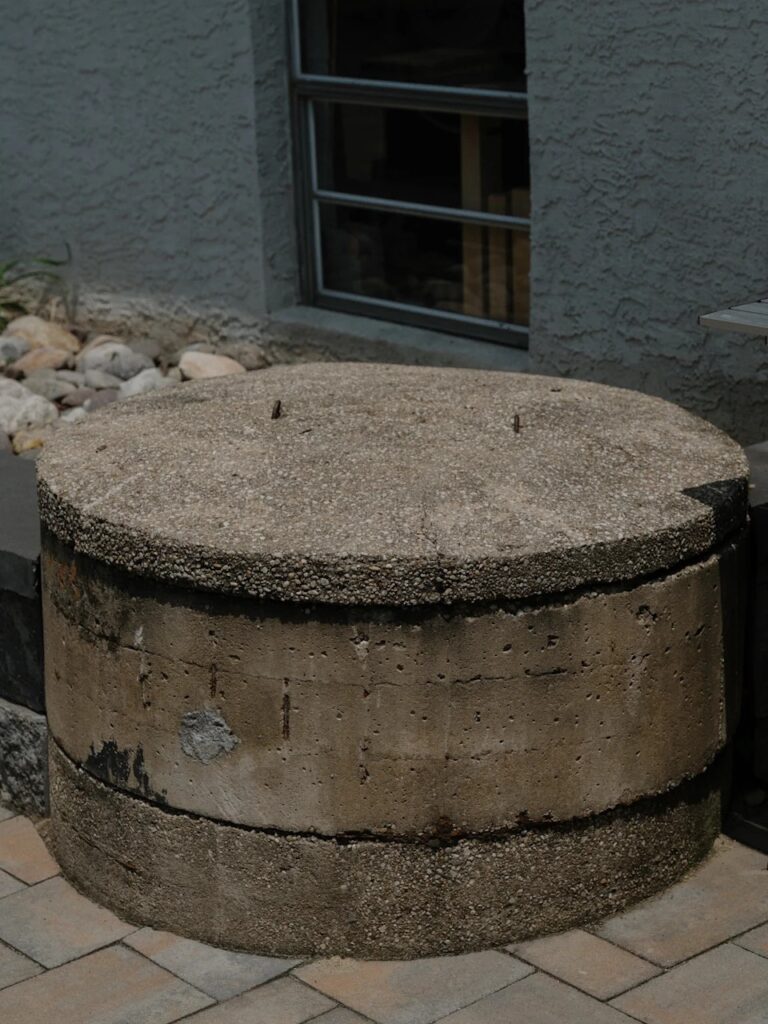
Linda Birnbaum, former director of the National Institute of Environmental Health Sciences, warned that many wells near Gore’s facilities “should be capped and closed” because cleaning them up would be nearly impossible.
Living with the Consequences
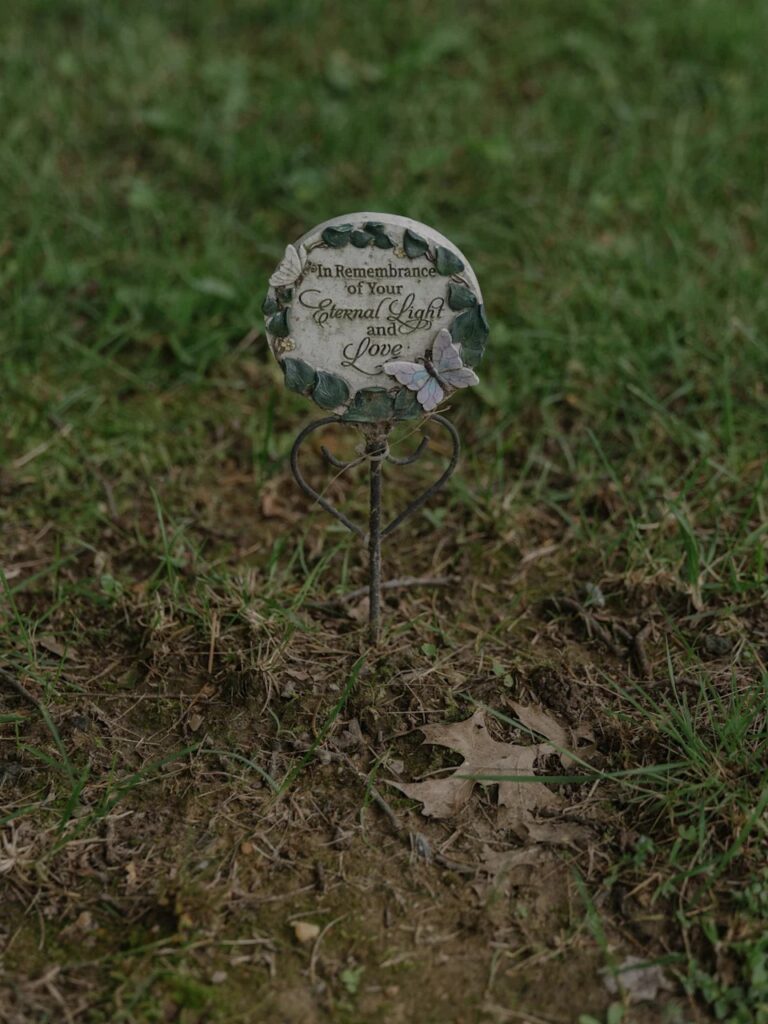
Blankenship, now in a wheelchair, spends her days in pain. She has buried multiple dogs in her backyard — each one claimed by cancer — and she herself continues to fight the disease.
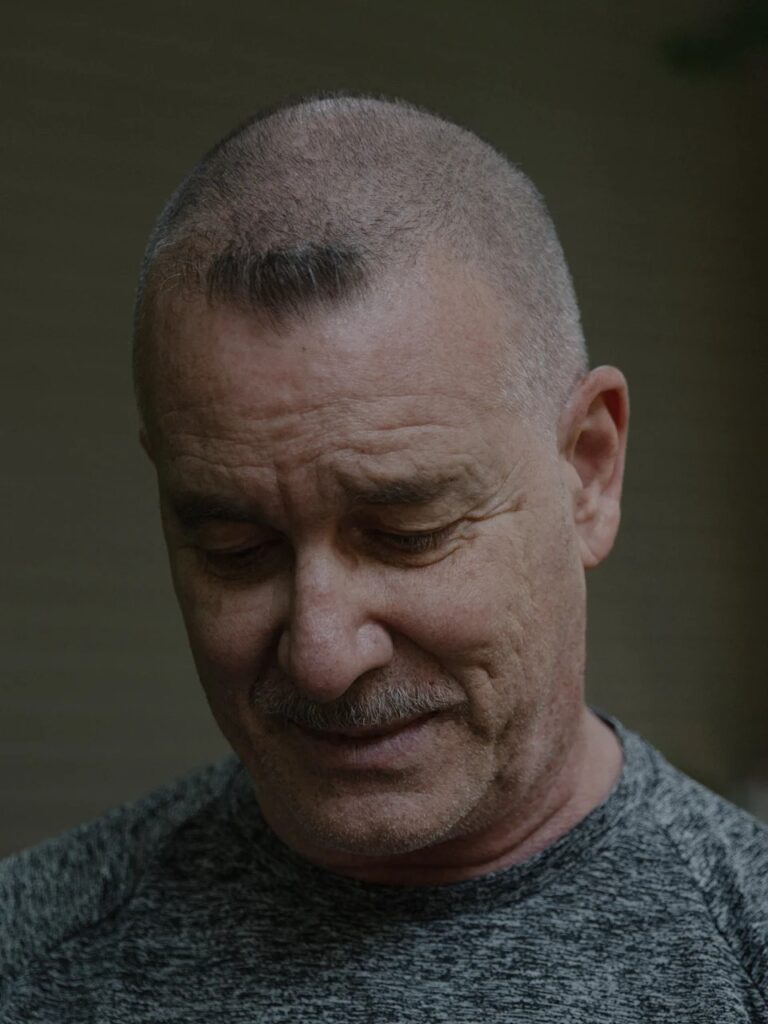
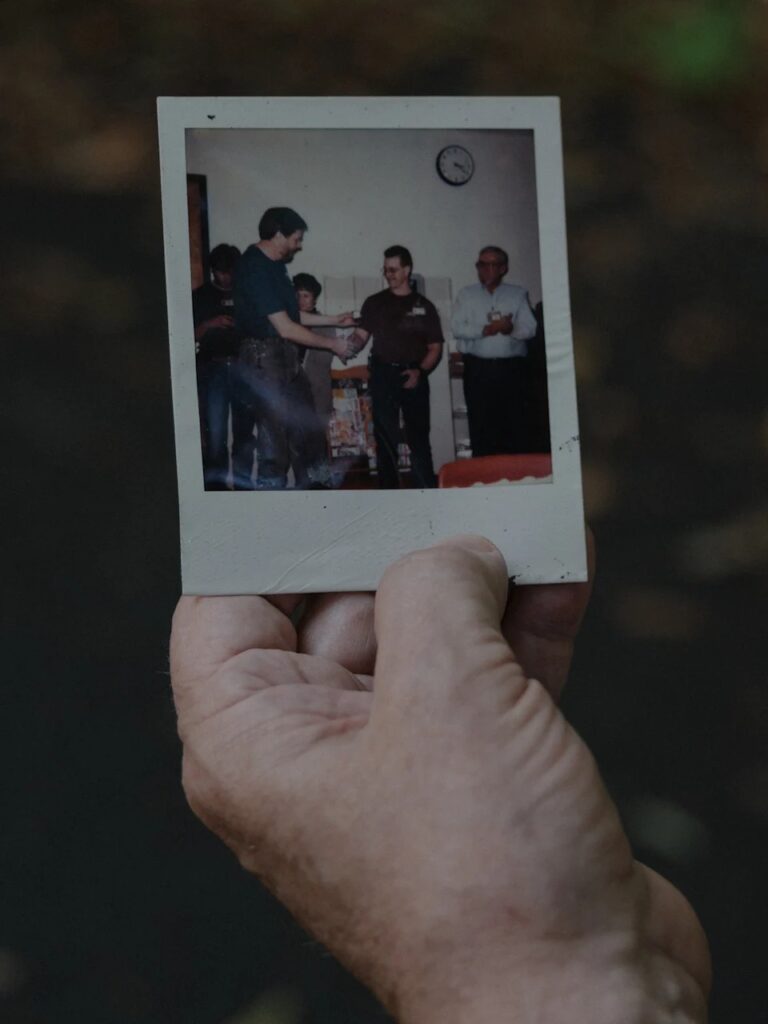

Despite her struggles, she expresses a conflicted loyalty to Gore. Her husband Richard, who worked there for nearly 40 years and now suffers from Alzheimer’s, always believed in the company. Even Blankenship admits: “They’ve taken care of us. They were good to us. They’re good to their employees.”
But she also knows she can never again let her animals drink from the well. Holding her dog close, she explains her new rule:
“That’s why I said the next dog we got, she will never drink the water.”
Leave a Reply