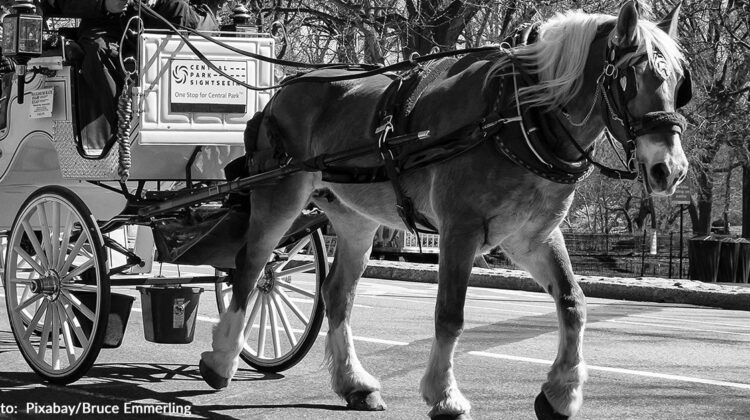
The death of a carriage horse in New York City’s Central Park has reignited discussion over the future of horse-drawn carriage rides, a long-debated issue that has divided animal welfare advocates, city officials and industry representatives.
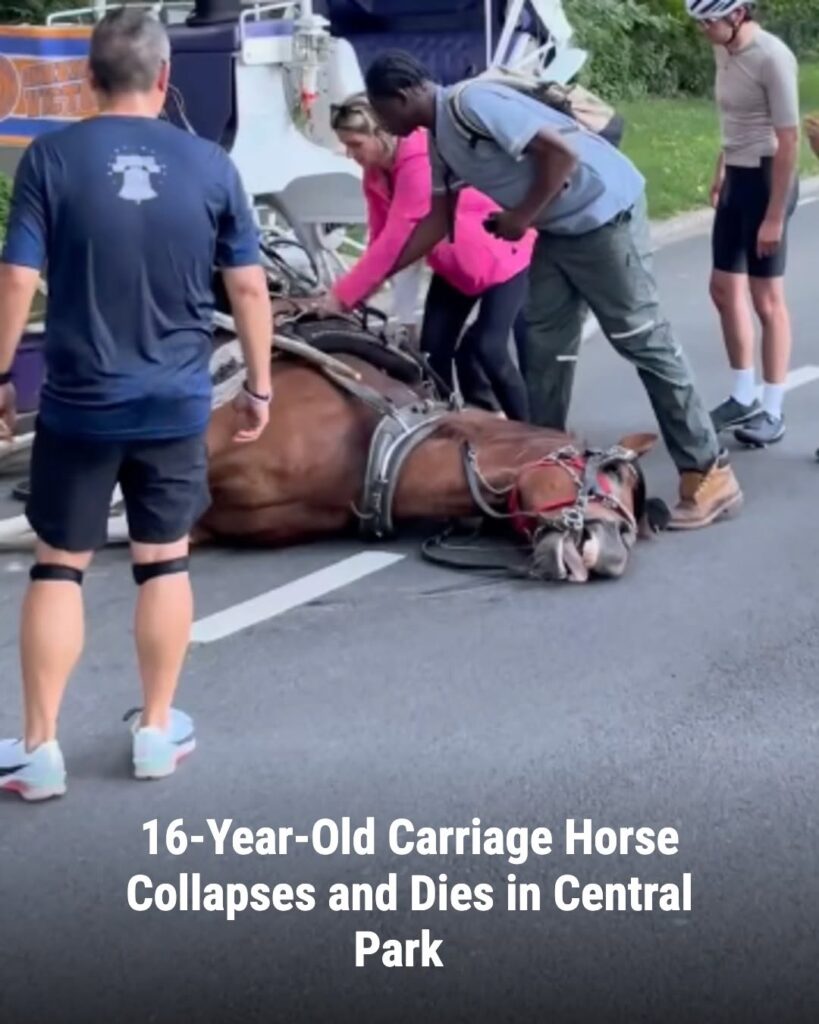
The horse, a 16-year-old gelding named Deniz, collapsed while working in Central Park and died despite efforts to save him.
Witnesses reported that the horse suddenly fell to the ground and appeared to be in distress. Bystanders and the carriage driver rushed to assist, removing equipment and attempting emergency aid while waiting for help. Despite their efforts, Deniz died at the scene.
According to individuals familiar with the case, the horse had reportedly undergone a veterinary examination earlier in the year and had been deemed fit for work. His owner stated that there had been no obvious signs of illness prior to the incident and that the horse had appeared to be behaving normally throughout the day.
Veterinary specialists are expected to conduct further examinations to determine the exact cause of death.
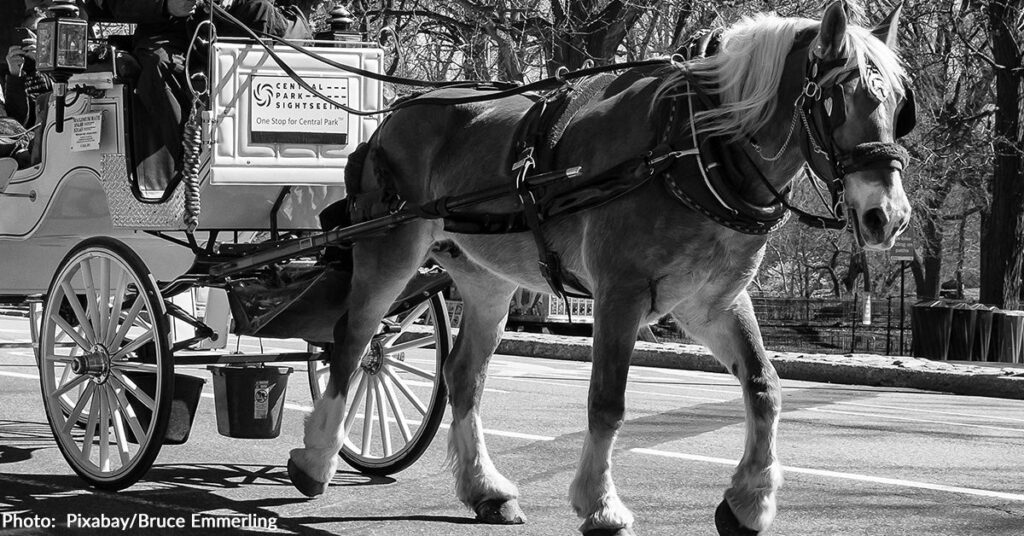
The incident has drawn renewed attention to ongoing concerns surrounding horse-drawn carriage operations in one of the world’s busiest urban environments. Animal welfare organizations argue that carriage horses face challenges associated with traffic, noise, weather conditions and long working hours, while supporters of the industry maintain that the horses receive professional care and regular veterinary oversight.
The death of Deniz follows previous high-profile incidents involving carriage horses in New York, prompting renewed calls for legislative action and alternative transportation options within the city.
Advocates seeking stricter regulations or a complete ban say the latest incident highlights the need for continued review of animal welfare standards, while industry representatives emphasize the importance of awaiting veterinary findings before drawing conclusions.
The case has once again placed the future of horse-drawn carriage rides at the center of public debate in New York City.
Animal welfare remains a growing focus for policymakers, veterinary professionals and conservation organizations worldwide. Issues involving working animals often raise broader discussions about animal health, veterinary care, transportation regulations, public safety and ethical treatment standards. Experts say ongoing investment in animal welfare programs, veterinary medicine, equine health research and evidence-based policy decisions plays an important role in improving the lives of domestic and working animals across urban and rural communities.
Leave a Reply