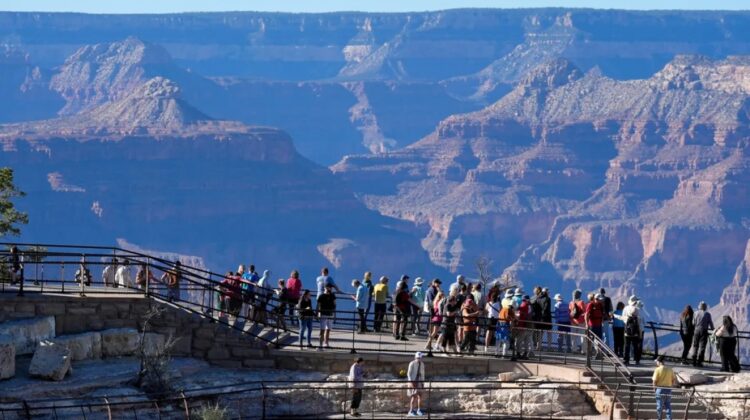
A newly reported policy within the U.S. Department of the Interior is drawing criticism after claims that National Park Service employees have been instructed not to publicly confirm deaths or disclose details about serious injuries occurring inside America’s national parks.
According to an internal memo first reported by The Washington Post, employees—including National Park Service staff—are no longer permitted to confirm fatalities at federal park sites. Instead, only “appropriate authorities,” working in coordination with the department’s communications office and after next-of-kin notification, are authorized to release that information.
Under the reported guidance, staff may acknowledge that an incident occurred, identify its general location, and confirm that emergency responders are on the scene. However, they are instructed not to disclose the severity of injuries, saying only that an individual was transported and indicating the method of transport.
The policy has already attracted attention following several recent incidents in California’s national parks.
At Yosemite National Park, officials confirmed only that emergency crews responded after a 23-year-old man died following a fall from a waterfall. The agency declined to release further details, stating that the incident remains under investigation.
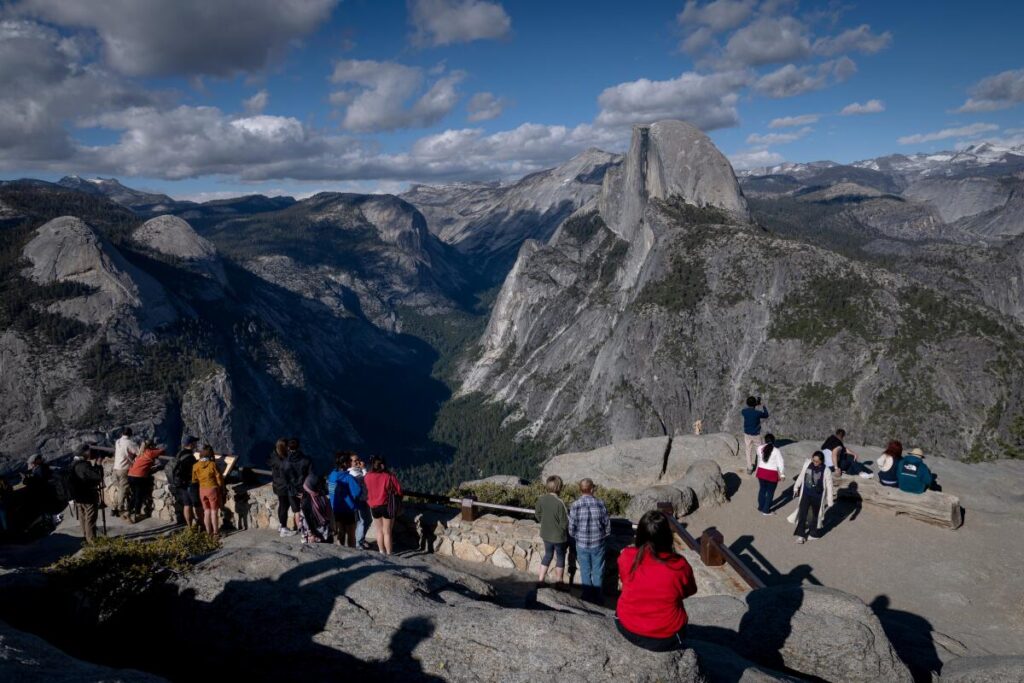
Similarly, following the death of a teenager who slipped into a river at Sequoia National Park, the Department of the Interior did not issue a public statement confirming the fatality.
The Interior Department has strongly rejected suggestions that the guidance is intended to hide information from the public.
In a statement, a department spokesperson said reports describing the policy as an attempt to conceal deaths “mischaracterize” its purpose. Officials said the guidance was designed to create a consistent approach to communications across the department while respecting ongoing investigations, family privacy, and notifications to relatives.
According to the department, public safety information and incident updates will continue to be released whenever appropriate.
Not everyone is convinced.
Critics argue that promptly informing the public about deaths and serious accidents is an important safety measure, particularly in national parks where visitors face hazards such as steep cliffs, fast-moving rivers, extreme heat, wildlife encounters, and unpredictable weather.
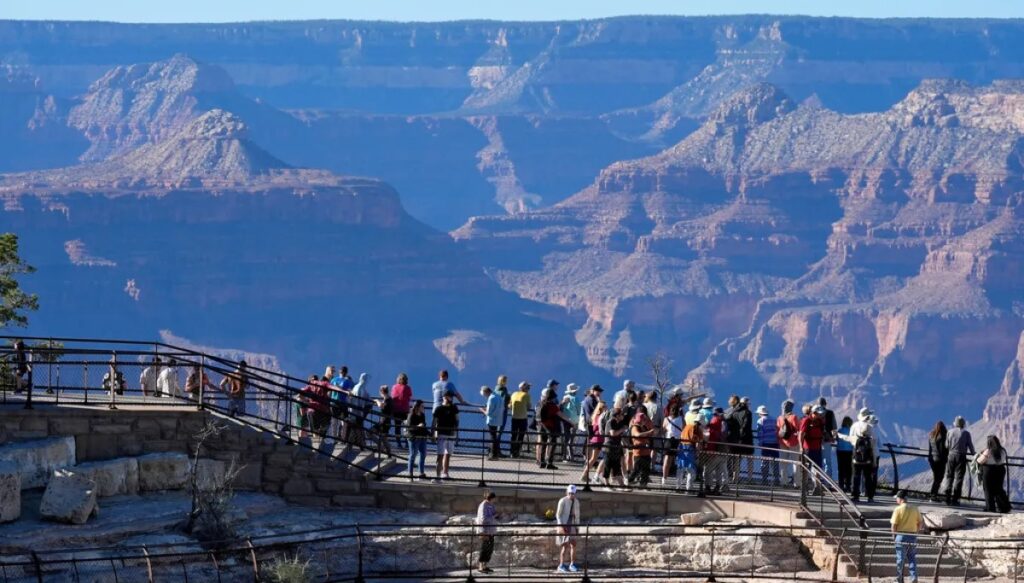
For years, the National Park Service routinely published news releases after fatal incidents. As recently as June, the agency issued announcements regarding multiple deaths, including heat-related fatalities at the Grand Canyon and a fatal paramotor crash in Arizona.
Public records indicate that between 2014 and 2019, U.S. national parks recorded an average of 358 deaths each year. Many resulted from traffic collisions, drowning, falls, medical emergencies, and, in some cases, suicide or homicide.
Whether the updated communications policy ultimately improves consistency or limits transparency remains a matter of debate. Supporters argue that families deserve privacy before details become public, while critics warn that withholding information could reduce public awareness of hazards inside some of America’s most visited natural landscapes.
National parks are celebrated for their breathtaking beauty, but they can also be unforgiving environments where a single mistake can become fatal. As debate continues over how much information should be shared with the public, one fact remains unchanged: clear communication can play a crucial role in helping visitors understand the risks, make informed decisions, and return home safely.
Leave a Reply