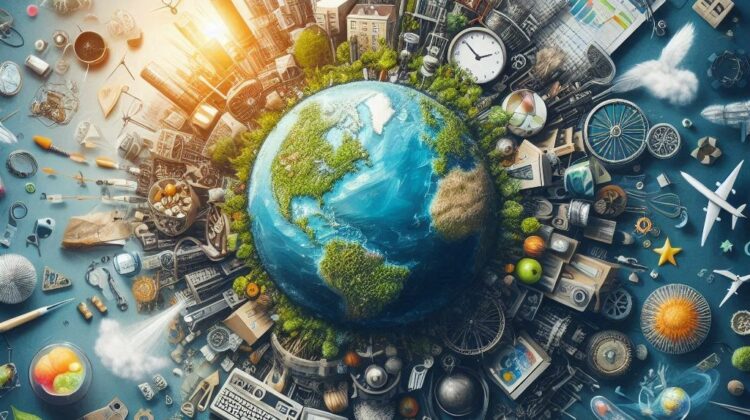
Predicting the future is never easy, but discussions among economists, scientists, technologists and ordinary citizens reveal a growing list of developments many believe are approaching far faster than society is prepared for.
From climate disruption and artificial intelligence to economic instability and shifting political power, several trends are increasingly viewed as potential game-changers over the next five years.
One frequently cited concern is the possibility of simultaneous crop failures across multiple regions. Climate change, extreme weather events and prolonged droughts have already strained food production in several parts of the world. Experts warn that consecutive harvest failures could trigger food shortages, higher prices and increased geopolitical tensions.
Another issue gaining attention is the growing vulnerability of personal identity data. As governments and private companies increasingly rely on digital age-verification systems and online identification checks, some observers fear that future data breaches could expose vast quantities of sensitive documents such as passports and driving licences.
Artificial intelligence is also emerging as a major source of concern. Rapid advances in voice cloning and realistic video generation may soon make it nearly impossible to distinguish genuine communications from sophisticated scams. Cybersecurity experts warn that convincing AI-generated impersonations could undermine trust in everything from phone calls to online videos.
Meanwhile, insurance markets are already showing signs of strain in regions vulnerable to floods, wildfires and extreme weather. Some analysts believe rising climate-related losses could make insurance unaffordable—or entirely unavailable—in certain areas, creating serious challenges for homeowners and businesses.

Political change may also accelerate as younger generations gain greater influence. In many Western countries, demographic shifts are gradually reducing the dominance of older voting blocs, potentially reshaping debates around housing, taxation, climate policy and economic reform.
Water scarcity remains another growing concern. Although the planet contains sufficient freshwater resources overall, distribution problems, aging infrastructure and increasing demand continue to threaten water security in many regions. Experts warn that water access could become one of the defining challenges of the coming decades.
Environmental scientists are particularly worried about the future of coral reefs. Mass coral bleaching events linked to rising ocean temperatures have already damaged ecosystems worldwide. Continued warming could devastate marine biodiversity while threatening the livelihoods of millions of people who depend on reef ecosystems for food and income.

At the same time, renewable energy technologies continue to become cheaper and more efficient. Some analysts believe solar and wind power could reach a tipping point where they consistently outperform fossil fuels on economic grounds alone, fundamentally transforming global energy markets.
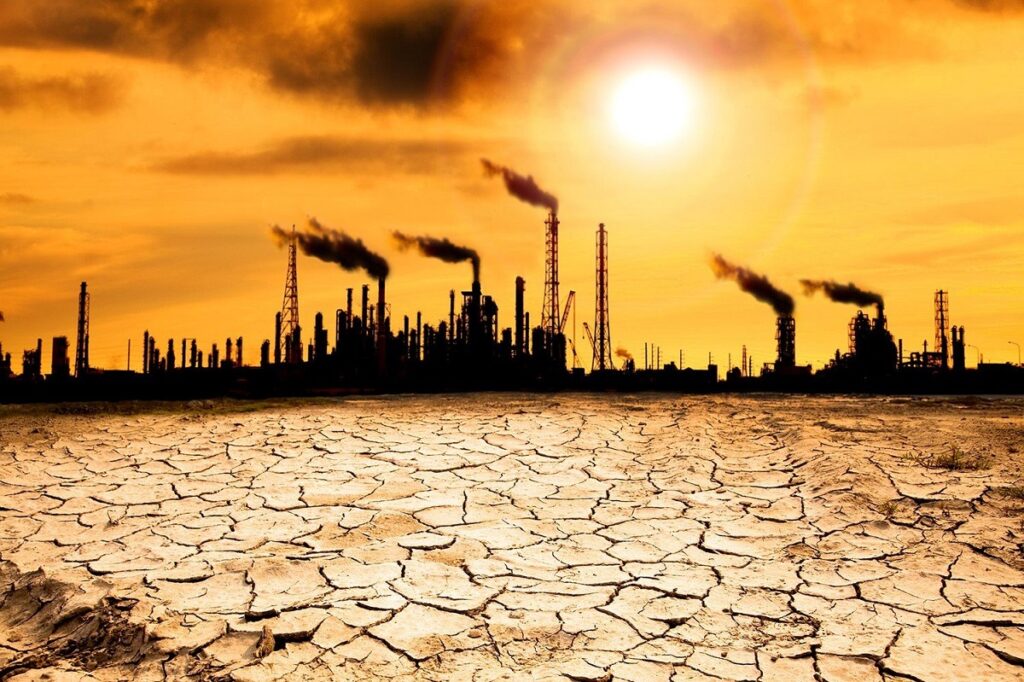
Extreme heat is another trend already visible across much of the world. Heatwaves are becoming more frequent, longer-lasting and more intense, placing increasing pressure on healthcare systems, agriculture and infrastructure.
Economic uncertainty also remains a major topic of discussion. Concerns about government debt, inflation, housing affordability and financial market volatility have fueled speculation about the possibility of another major economic downturn.
Yet not all forecasts are pessimistic.
Some observers argue that technological innovation, advances in clean energy, medical breakthroughs and greater public awareness of global challenges could ultimately improve living standards. Throughout history, periods of rapid change have often been accompanied by fears of collapse, yet societies have repeatedly demonstrated an ability to adapt.
The next five years may not be defined by a single dramatic event, but by the convergence of multiple forces reshaping daily life at the same time. Climate pressures, technological disruption, economic uncertainty and demographic change are already underway. Whether these trends lead to crisis or progress will depend largely on how governments, businesses and individuals respond today. The future is not predetermined—but many of its warning signs, and opportunities, are already visible.
Leave a Reply