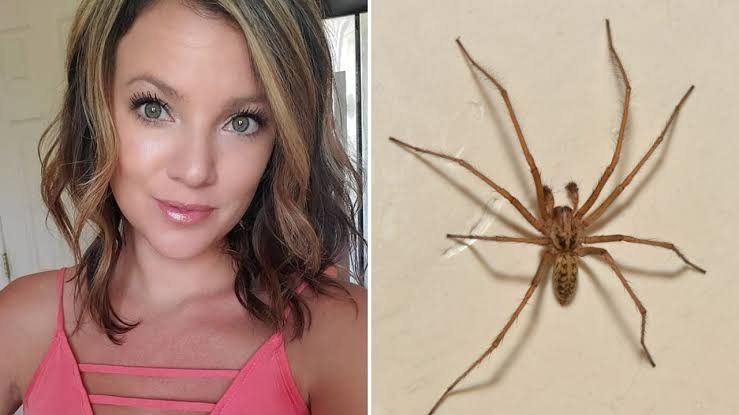
What began as a relaxing family campfire beside a Kansas lake quickly turned into a devastating medical ordeal that nearly claimed the life of a mother of four.
Britagne Miller was enjoying an evening with her family at Cheney Lake on May 28 when several spiders reportedly crawled over her body, leaving multiple bites. At first, the bites appeared to be little more than an unpleasant inconvenience. But within days, one small wound on her calf developed into an agonizing medical emergency.
Four days later, Miller noticed a dark bruise forming around one of the bites. The pain intensified rapidly, spreading down her leg and into her foot.
“It felt like someone was stabbing my leg with a hot metal poker,” Miller recalled, describing the unbearable sensation that eventually forced her to seek emergency medical care.
Doctors soon discovered that the injury was far more serious than anyone expected.
Because Miller already suffered from two inherited blood-clotting disorders diagnosed during a previous pregnancy, along with chronic liver disease and multiple medication allergies, her condition became increasingly complex. Emergency surgery was recommended immediately despite her deep fear of undergoing an operation.
“I’m terrified of surgery,” she said. “I always feared I wouldn’t wake up or that I would bleed to death.”
During the procedure, surgeons reportedly removed nearly 300 milliliters of blood clots from her leg before inserting a surgical drain to help the wound heal.
Unfortunately, the battle had only just begun.
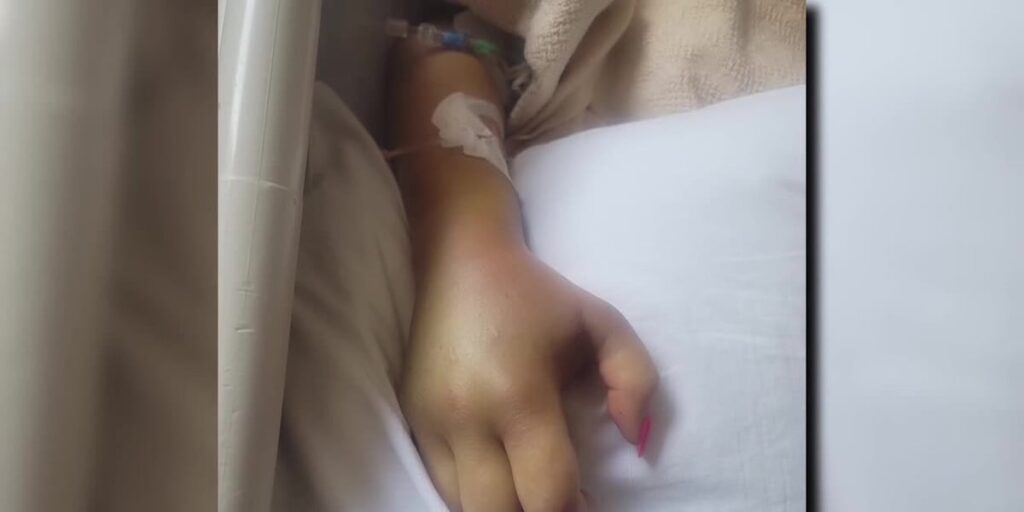
While recovering in hospital, Miller developed severe bacterial infections, including a staph infection and a gram-negative bacterial infection that further complicated her condition. Doctors also delivered devastating news after discovering signs consistent with end-stage liver failure.
According to Miller, physicians warned that she might have only days or weeks left to live.
Despite the grim prognosis, she refused hospice care and continued fighting through weeks in intensive care, multiple procedures, and constant medical treatment.
On July 11, after a lengthy hospital stay, Miller was finally discharged to continue recovering at home with her family.
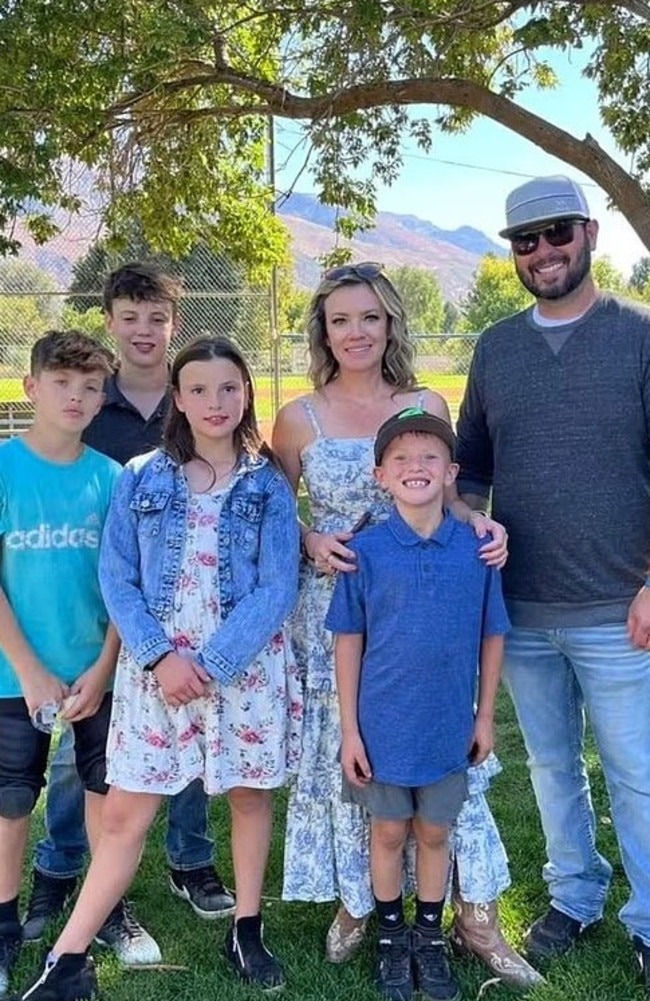
She credits her husband and four children for giving her the determination to keep fighting.

“There was a moment when I wanted to give up,” she said. “Then I thought about my children. They needed me.”
Although her condition has stabilized, Miller still faces a long recovery. Doctors hope she may eventually qualify for a liver transplant once her hemoglobin levels improve enough for surgery.
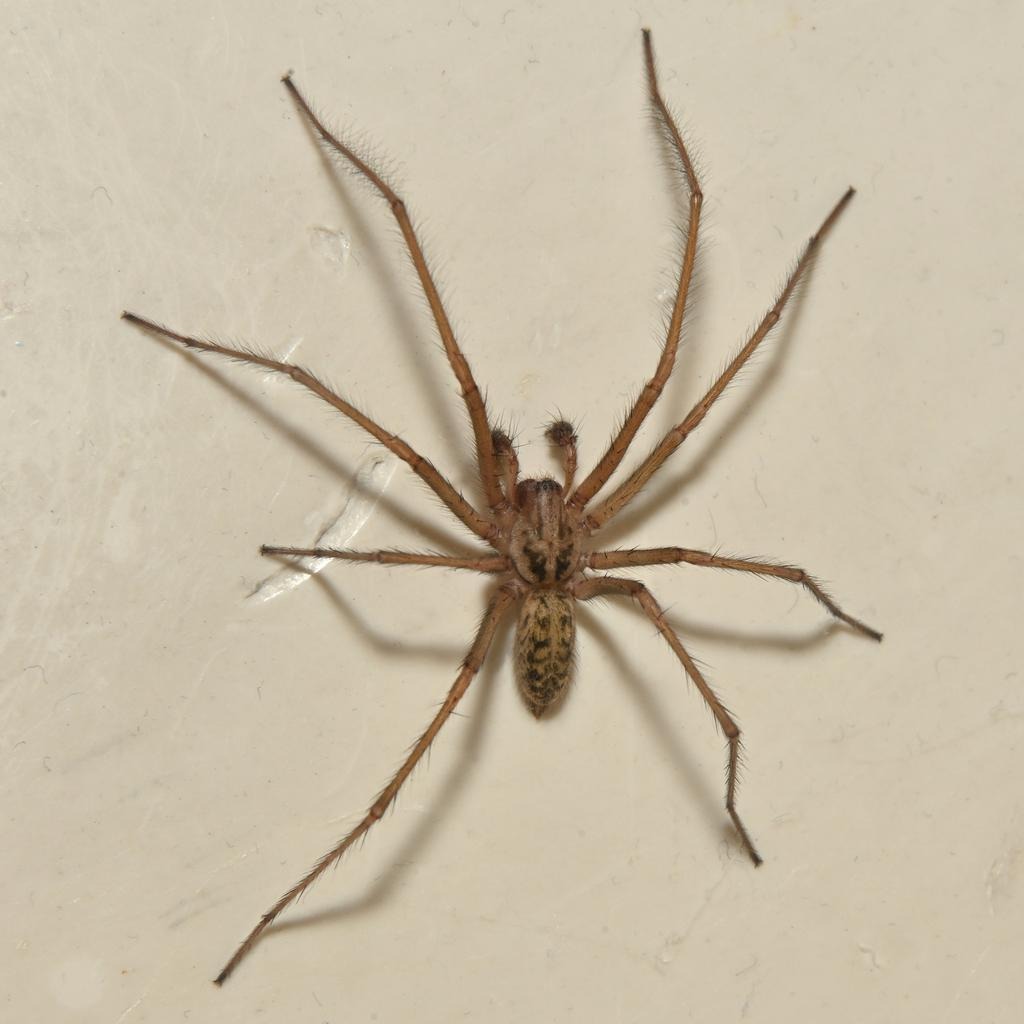
Physicians were never able to confirm exactly which spider caused the bite. However, based on the appearance of the wound, they believe a brown recluse spider was the most likely culprit.
According to Kansas State University horticultural entomologist Dr. Raymond Cloyd, Kansas is home to many spider species, but only two are considered medically significant: the brown recluse and the black widow.
Experts recommend sealing cracks around homes, wearing gloves when handling stored boxes, and checking shoes or clothing before use, as brown recluse spiders often hide in dark, undisturbed places.
The family’s challenges have extended beyond Miller’s medical condition. Her husband reportedly lost his job after missing work to care for his wife and their children during her prolonged hospitalization. Friends and relatives have since launched a fundraising campaign to help cover mounting medical bills, home health care, and daily living expenses.
While Miller’s recovery remains uncertain, her story serves as a reminder that even seemingly minor spider bites should never be ignored when symptoms rapidly worsen.

Spider Bite Safety: When A Small Wound Can Become A Serious Medical Emergency
Although most spider bites cause only mild irritation, certain venomous species such as the brown recluse or black widow can trigger severe tissue damage and dangerous medical complications in some individuals. Health experts recommend seeking immediate medical attention if a bite causes rapidly increasing pain, swelling, skin discoloration, fever, difficulty breathing, or signs of infection. Wearing protective gloves while handling stored items, checking shoes and clothing before use, sealing cracks around homes, and reducing hiding places for spiders are simple precautions that can lower the risk of encounters. Early diagnosis and prompt treatment remain the most effective ways to prevent serious complications from venomous spider bites.
Leave a Reply