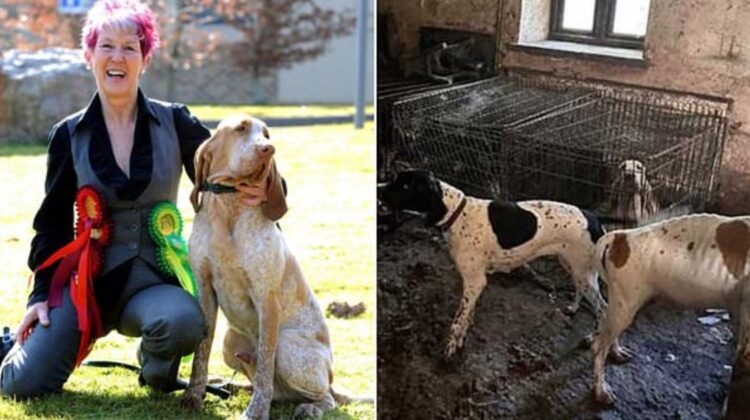
A former Crufts-winning dog breeder has been banned from owning dogs for ten years after authorities uncovered dozens of neglected animals living in appalling conditions, with several so severely ill they could not be saved.
Lynda Cooper, whose Bracco Italiano gun dog achieved multiple awards at Crufts in 2016, admitted a series of animal welfare offences after investigators discovered dozens of dogs and puppies suffering from malnutrition, disease, and prolonged neglect at her property in Pontypool, South Wales.
The investigation began after Torfaen County Borough Council received complaints about the welfare of dogs at the property in July 2024. Concerns were also raised regarding alleged unlicensed dog breeding, prompting a joint investigation involving council officers, veterinarians, and animal welfare authorities.
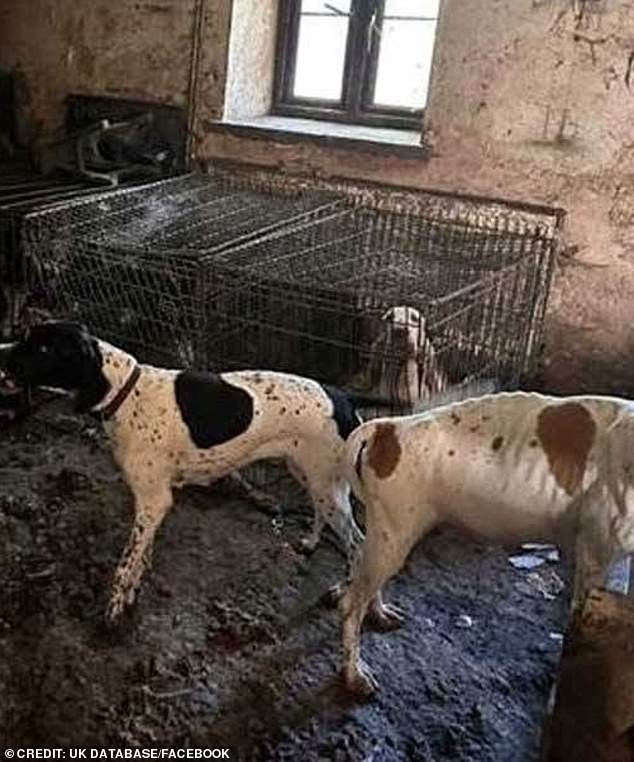
After obtaining a warrant, officials entered the property and found more than 40 adult dogs along with two litters of puppies living in filthy conditions. In total, 77 dogs were eventually linked to the case, making it one of the largest animal welfare investigations in the region in recent years.
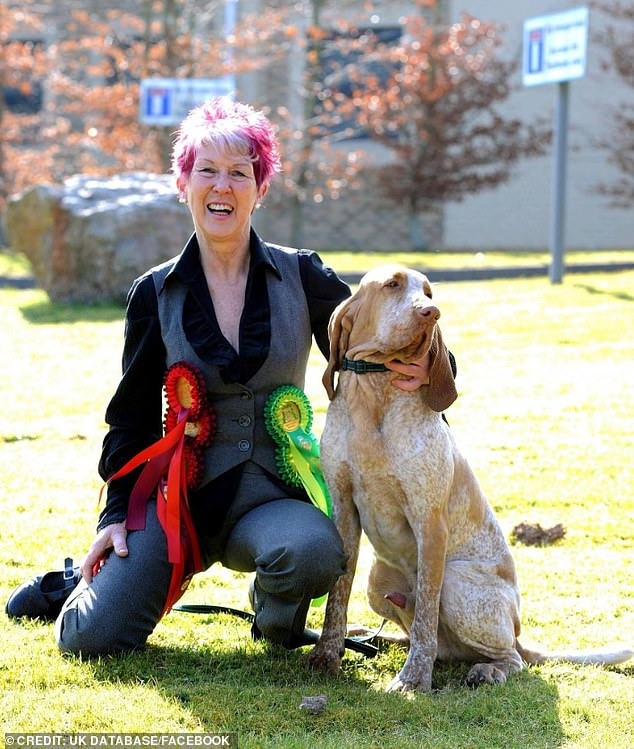
Veterinary examinations revealed many of the animals were severely underweight and suffering from untreated medical conditions. Several dogs had advanced dental disease, chronic ear infections, and significant muscle loss caused by prolonged malnutrition. Older dogs struggled to move and were often unable to compete with younger animals for food, while many of the younger dogs displayed extreme fear and lacked normal social development after spending much of their lives in poor conditions.
The puppies were also found to be malnourished, raising further concerns about the standard of care they had received during the earliest stages of life.
Sadly, not every dog could be saved.
Five animals were found in such poor physical condition that veterinarians made the difficult decision to euthanize them to prevent further suffering. Two additional dogs later died despite receiving treatment after their rescue.
The remaining dogs were transferred into the care of Hope Rescue, an animal rescue and rehoming charity in South Wales. Staff worked for months to provide veterinary treatment, nutritional rehabilitation, behavioral support, and socialization before many of the dogs were eventually placed in carefully selected forever homes.
Animal welfare specialists involved in the rescue described the case as one of the most emotionally challenging they had encountered. Beyond the sheer number of animals requiring urgent care, many of the dogs had experienced long-term neglect that affected both their physical health and emotional wellbeing.
Appearing before Cardiff Crown Court, Cooper pleaded guilty to 11 animal welfare offences, including causing unnecessary suffering, failing to meet the welfare needs of dogs, and breeding animals without the required licence.
The court sentenced her to a 12-month prison sentence suspended for two years. She was also ordered to contribute £10,000 toward the investigation costs, pay a victim surcharge, and was disqualified from keeping dogs for ten years.
During the hearing, Cooper’s defence stated that her life had deteriorated following a family bereavement. According to her legal representative, the neglect resulted from her becoming overwhelmed rather than acting with deliberate cruelty. The court heard that the situation gradually spiraled beyond her ability to manage.
The case has drawn widespread attention because Cooper was once a respected figure in the dog showing community. In 2016, her nine-month-old Bracco Italiano, Carlos, earned six awards at Crufts, including Best Puppy and Reserve Dog Challenge Certificate. At the time, Cooper described dog showing as a passion and said she participated purely for the enjoyment of working with her animals.
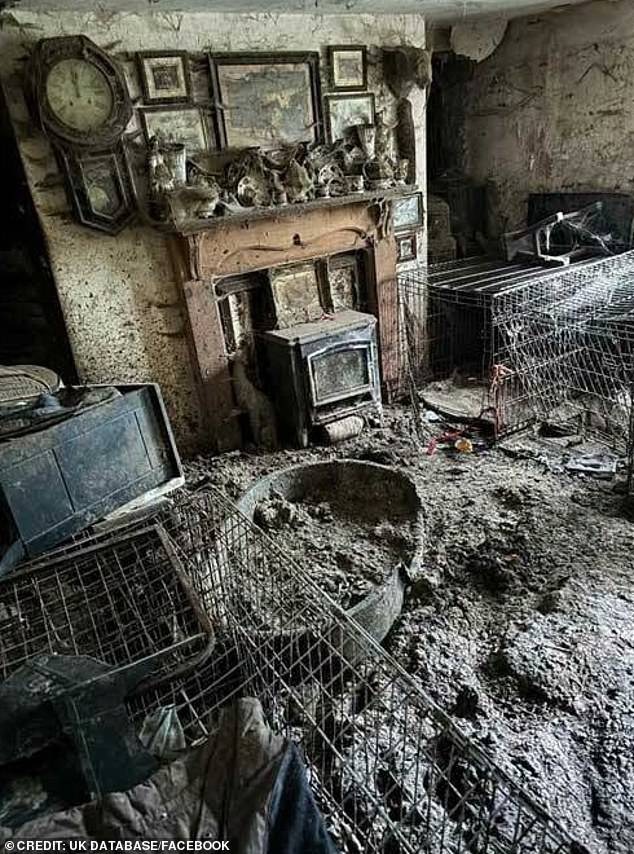
Animal welfare experts say the case serves as a reminder that neglect can occur regardless of previous experience or reputation. Responsible ownership requires continuous commitment to providing adequate food, medical treatment, clean living conditions, exercise, and proper social care throughout an animal’s life.
Behind every neglected animal is a silent story of suffering that often remains hidden until it reaches a crisis point. Fortunately, cases like this also highlight the dedication of veterinarians, rescue organizations, and investigators who work tirelessly to give abused animals a second chance. Thanks to months of rehabilitation and compassionate care, many of the rescued dogs have now found loving homes, proving that even after severe neglect, recovery is possible when kindness replaces suffering.
Leave a Reply