Leaving beloved pets in someone else’s care is an act built on trust. For one family in Solihull, England, that trust appeared to be shattered after security cameras inside their home allegedly captured the people they had hired to protect their animals treating two of their dogs with repeated cruelty during a four-week holiday.
The family had hired professional pet sitter Paige Williams, 25, who operated under the business name Fur & Filly PetCare Services, to care for three dogs, two cats, and two birds of prey while they traveled during July and August 2024. Williams’ boyfriend, Bradley Regan Archer, 26, also stayed at the property to assist with the animals.
Having used Williams’ services several times in the past without incident, the owners felt confident their pets would receive the same care and affection they enjoyed at home. Before leaving, they provided detailed instructions, emergency contacts, and everything needed to ensure the animals remained comfortable throughout their absence.
When they returned weeks later, however, something immediately felt different.
Their normally energetic dogs, Ayrton and Frieda—both German Shorthaired Pointers—appeared unusually subdued, anxious, and withdrawn. Family members noticed the animals cowering at raised voices and behaving in ways they had never seen before. Concerned by the sudden change, the owners reviewed footage from security cameras installed in the kitchen and garden.
What they allegedly witnessed was deeply disturbing.
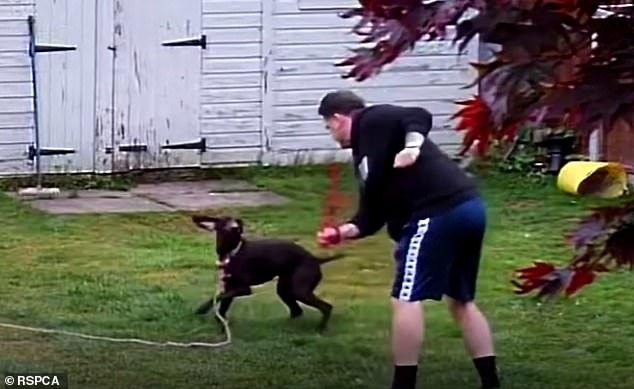
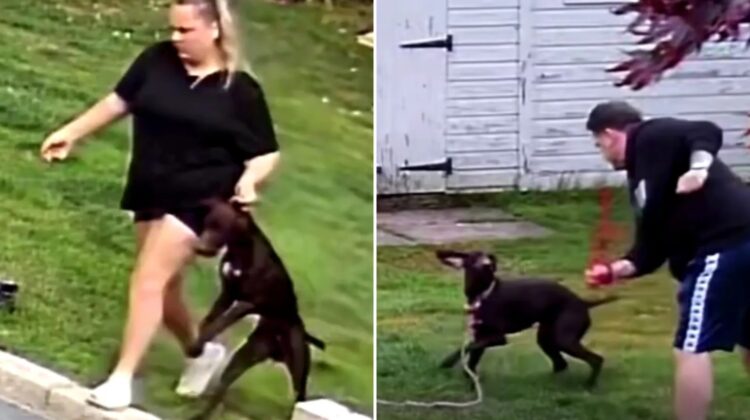
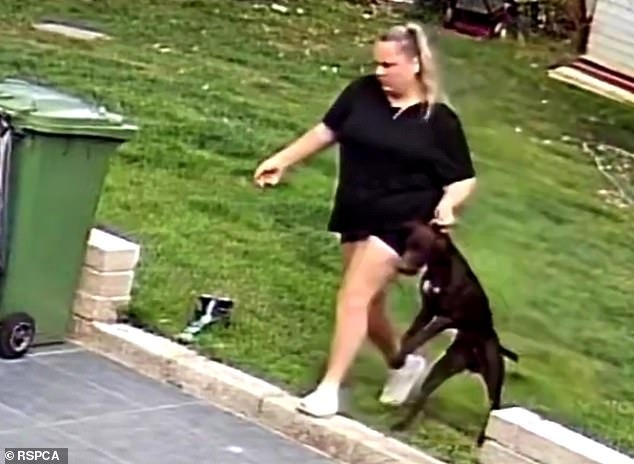
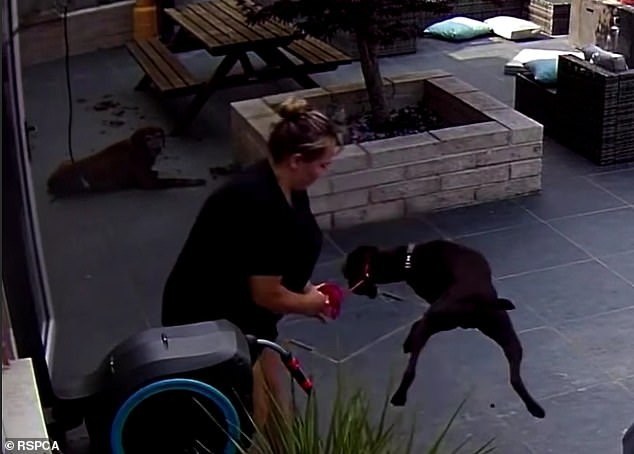
The recordings appeared to show the two pet sitters shouting aggressively at the dogs, dragging them by their collars, lifting them partially off the ground by their necks, forcing them through doorways, and pushing them to the floor. According to investigators, the abuse was directed primarily toward Ayrton, a lively 13-month-old dog, while Frieda was also subjected to rough handling.
Following the family’s complaint, the Royal Society for the Prevention of Cruelty to Animals (RSPCA) launched an investigation after receiving dozens of video recordings captured throughout the four-week stay.
Inspector Ben Jones, who investigated the case, described a pattern of intimidation that went far beyond isolated incidents. He said Ayrton was allegedly confined inside a crate while crying, tied to a tree with water placed beyond his reach, chased around the garden, threatened with a stick, and repeatedly jerked by a slip lead with enough force to lift parts of his body from the ground. In one incident, investigators said the dog was struck several times with the lead after jumping toward Archer.
A veterinary expert who reviewed the footage later concluded that both dogs displayed clear signs of anxiety and emotional distress. According to testimony presented in court, the repeated shouting, rough handling, inconsistent discipline, and physical restraint would likely have compromised both their mental wellbeing and physical welfare.
The investigation also revealed a striking contradiction. Despite knowing security cameras were installed throughout the property, the pair allegedly continued their behavior. In one recorded clip, Williams appeared to speak directly toward one of the cameras, telling the owners she would never care for their dogs again because she believed her own animals had “suffered” during the assignment.
The family ultimately submitted 51 separate video clips to investigators.

The case was heard at Coventry Magistrates’ Court, where Williams admitted failing to meet the welfare needs of the two dogs under the Animal Welfare Act. Archer, who had initially denied the allegation, later changed his plea before the trial began.
Williams received a 12-month community order requiring 140 hours of unpaid work, while Archer was given a similar order with 40 hours of unpaid work. Both were ordered to pay court costs and victim surcharges, and both were disqualified from keeping any animals for seven years. The ruling also prevents Williams from continuing her work as a professional pet sitter during the ban.
Although Ayrton and Frieda are now safely back with their family, their owners say the emotional impact of the ordeal continues to affect both the dogs and everyone in the household. While the animals have gradually regained confidence in their familiar surroundings, rebuilding trust after weeks of fear is a process that cannot happen overnight.

Animal welfare experts say the case highlights the importance of carefully vetting anyone entrusted with the care of pets, particularly during extended absences. They also note that security cameras, where legally appropriate, can provide reassurance for owners while serving as valuable evidence if concerns about an animal’s welfare ever arise.
For millions of families, pets are far more than companions—they are trusted members of the household who rely entirely on human kindness and protection. When that trust is broken, the damage extends well beyond physical injuries, leaving emotional scars that animals cannot explain with words. Cases like this serve as a powerful reminder that caring for an animal is both a privilege and a profound responsibility, one that demands patience, compassion, and respect every single day. As awareness of animal welfare continues to grow, many hope stories like Ayrton and Frieda’s will encourage stronger safeguards, greater accountability, and a future where every pet receives the care and dignity they deserve.
Leave a Reply