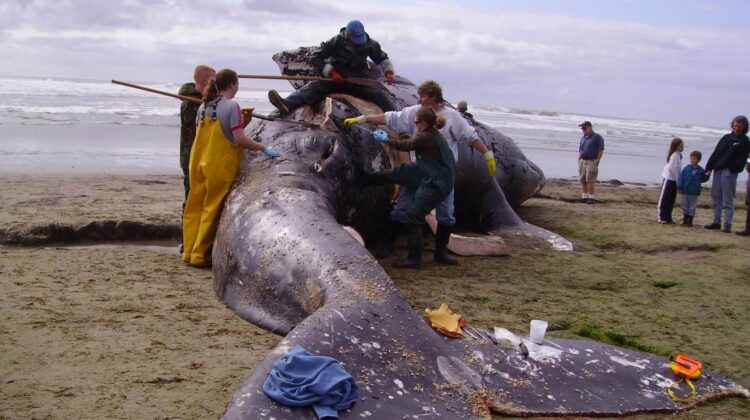
The sight of a gray whale surfacing off the Pacific Coast has long been one of nature’s most remarkable spectacles. Every year these giants travel thousands of miles between the warm breeding lagoons of Mexico and the rich feeding grounds of the Arctic, making one of the longest migrations of any mammal on Earth. But in 2026, that ancient journey is being overshadowed by a troubling trend: an unusually high number of gray whales are washing ashore dead along the West Coast.
Marine biologists and conservation groups say the growing number of strandings is raising fresh concerns about the health of the eastern North Pacific gray whale population. According to the National Oceanic and Atmospheric Administration (NOAA), at least 145 gray whales had been found dead by early July, with carcasses reported from California to Alaska. Scientists stress that the real death toll is almost certainly much higher, as many whales sink offshore or are never discovered.
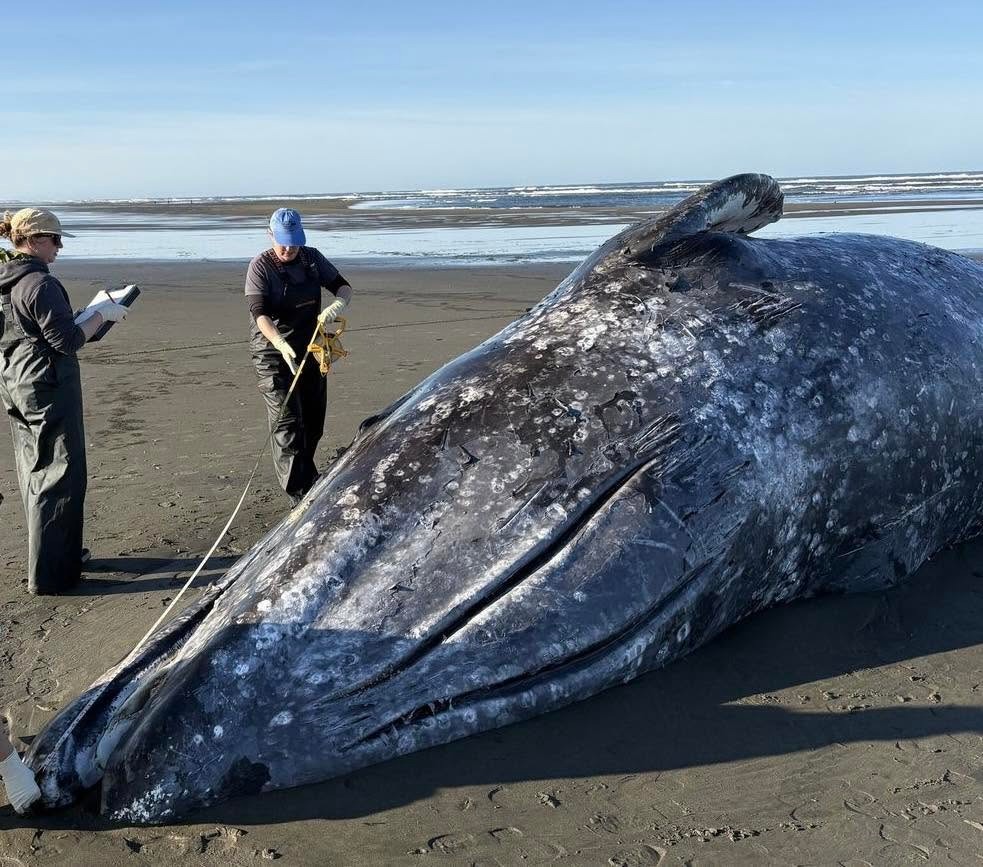
Oregon, known for its popular whale-watching destinations, has also begun seeing the warning signs. Several gray whales have stranded along the state’s coastline this year, including a 40-foot male found near Seaside Beach. A post-mortem examination revealed the whale was severely emaciated, suggesting it had likely suffered from prolonged starvation before dying.
Researchers believe the deaths are closely linked to dramatic environmental changes occurring thousands of miles away in the Arctic. Gray whales spend much of the summer feeding on small crustaceans that thrive on the seafloor beneath seasonal sea ice. As climate change alters Arctic ecosystems and sea ice continues to decline, those food sources have become less abundant, leaving many whales unable to build the fat reserves needed for their long migration.
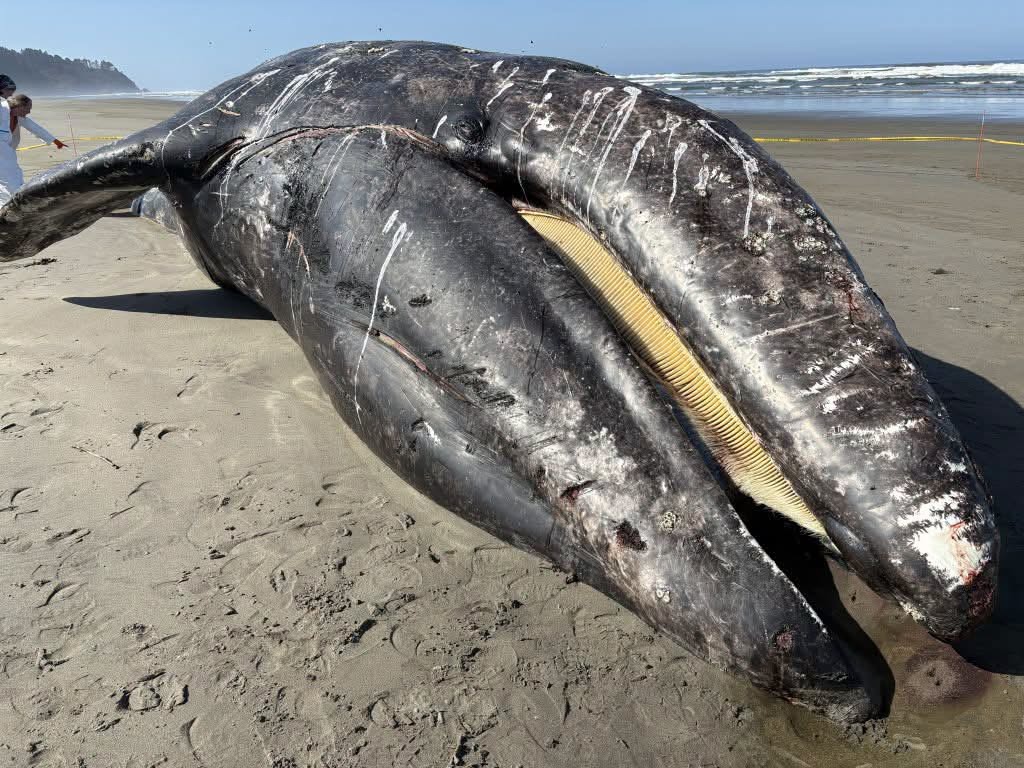
The consequences are becoming increasingly visible. Weak and malnourished whales are more vulnerable to disease, ship strikes, entanglement in fishing gear, and other threats during their journey along the Pacific Coast. Scientists say many of the stranded whales examined in recent years have shown clear signs of starvation.
The current situation follows a major Unusual Mortality Event that affected gray whales between 2019 and 2023, when thousands were believed to have died across their migration range. Although recent population estimates suggest some recovery, experts caution that calf production remains unusually low, raising concerns about the whales’ long-term future.
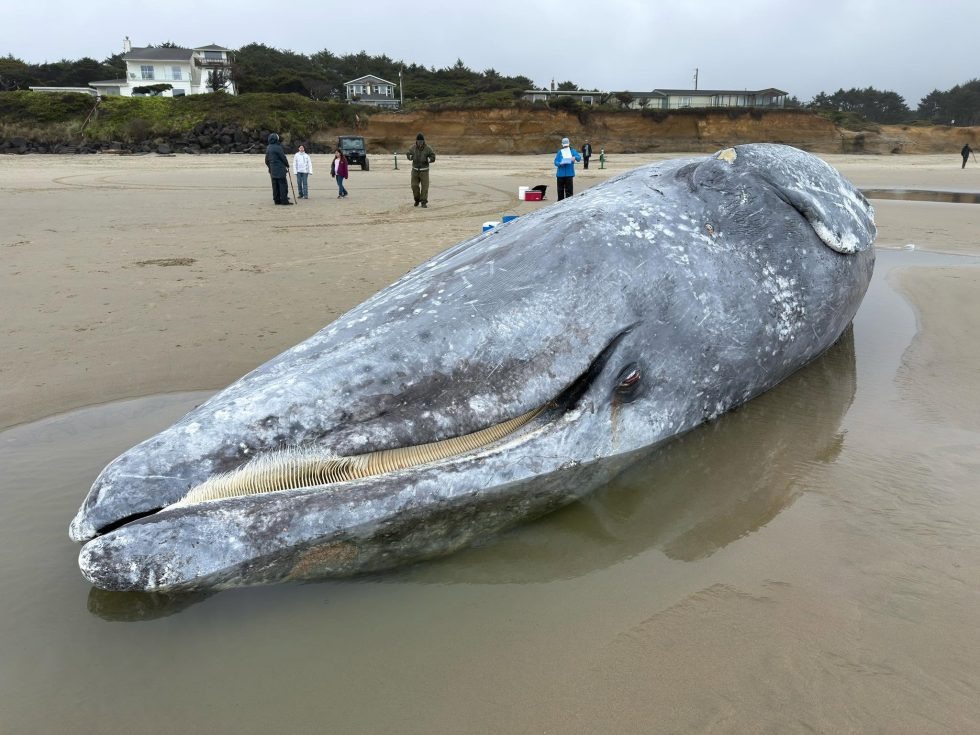
Marine researchers continue to investigate each stranded whale, collecting tissue samples and conducting detailed examinations to determine the exact cause of death. Every carcass provides valuable information about the health of the population and the rapidly changing conditions in the North Pacific.
Despite the alarming numbers, conservationists emphasize that gray whales remain one of the greatest wildlife recovery stories in history. After being driven close to extinction by commercial whaling, international protections allowed the species to rebound over several decades. However, scientists now warn that climate-driven changes to the Arctic food web could present a new challenge unlike any the species has faced before.
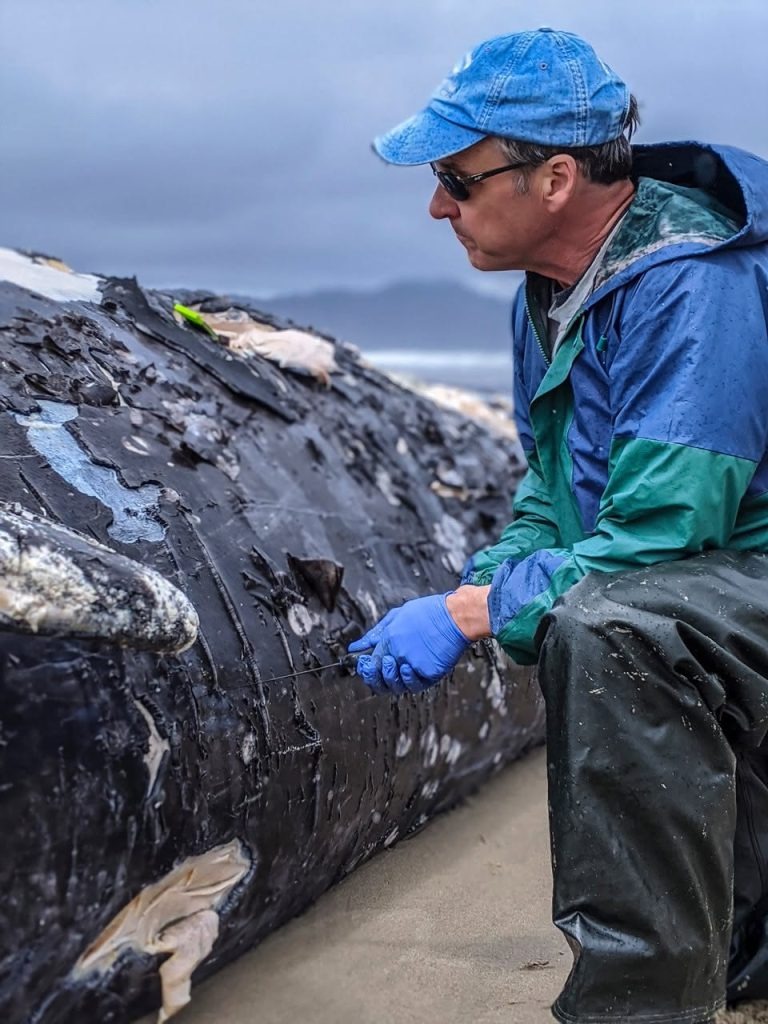
As more whales continue to wash ashore in 2026, researchers say these strandings are more than isolated tragedies—they may be early warning signs of profound environmental changes unfolding across the world’s oceans.
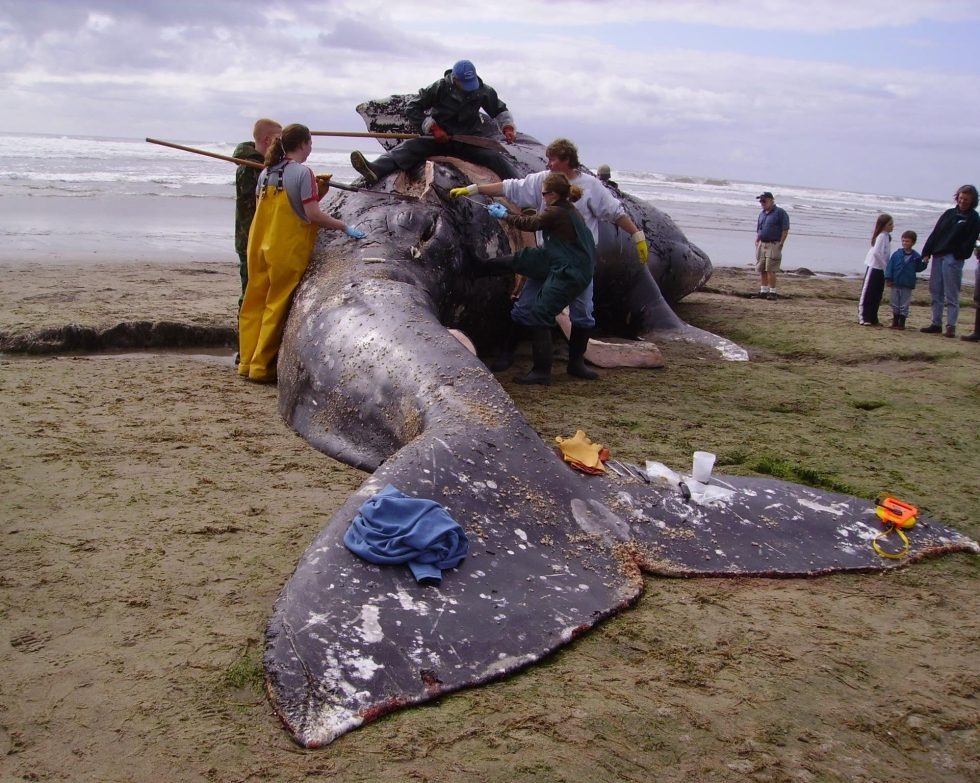
Healthy oceans are essential for marine wildlife and for the millions of people who depend on coastal ecosystems. Scientists say climate change, ocean warming, habitat degradation, and declining food availability are increasingly affecting species around the globe. Supporting marine conservation programs, sustainable fisheries, environmental research, renewable energy initiatives, and wildlife protection organizations can help safeguard vulnerable species while preserving the health of the world’s oceans for future generations.
Leave a Reply