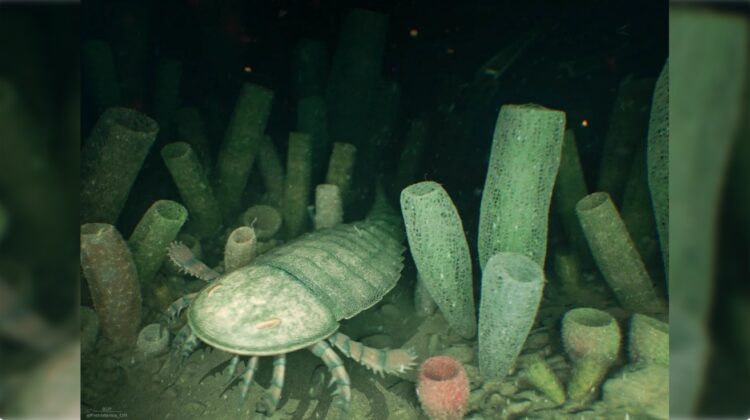
Most people picture warm, turquoise water and coral in every color when they think of a reef. Off the coast of British Columbia, hundreds of feet down in cold, dark water, there’s a very different kind: reefs built by animals with skeletons made of glass. For decades, scientists believed structures like these had vanished from Earth tens of millions of years ago.
What a Glass Reef Actually Is
Glass sponge reefs are built by glass sponges, deep-sea animals whose skeletons are made of silica, the same basic compound as window glass, which the sponges produce themselves. They are rigid, lacy, and remarkably delicate filter feeders, pumping seawater through their bodies to strain out bacteria and organic particles. Research from the University of British Columbia has found the sponges remove a large share of microbes and particles from the water that passes through them.
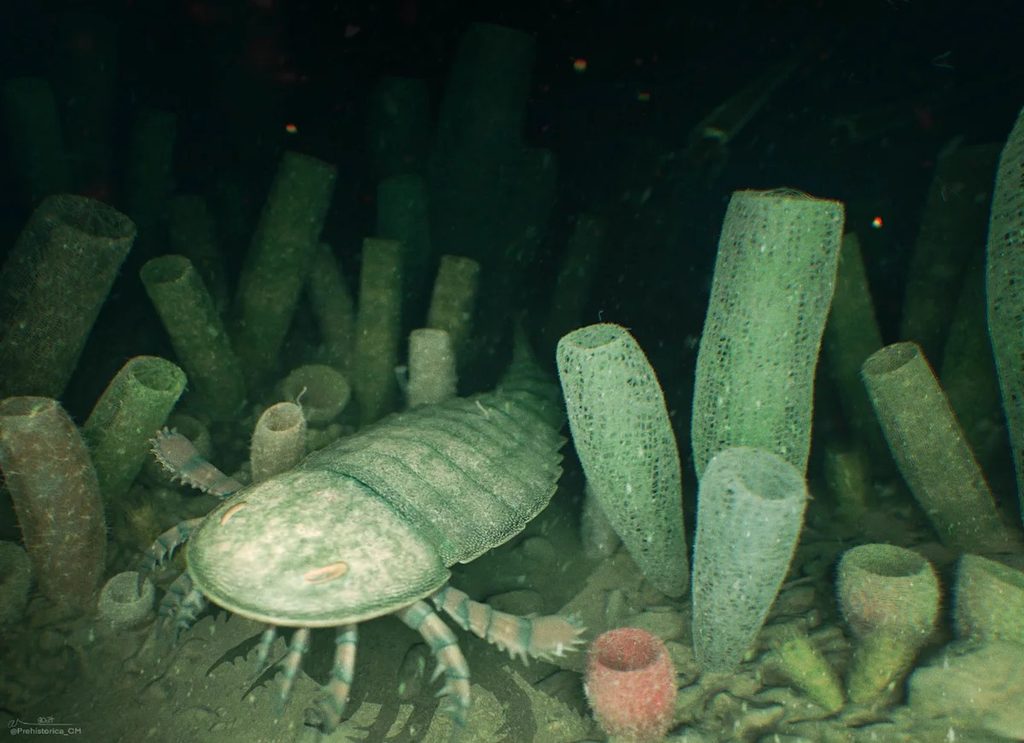
Only a handful of species build true reefs, and they do it much like coral does: new sponges grow directly on the skeletons of earlier generations, adding just centimeters of growth each year. Over thousands of years, that slow accumulation becomes massive. The largest known reef complex, in Hecate Strait between Haida Gwaii and mainland British Columbia, has been forming for roughly 9,000 years, according to radiocarbon dating of reef cores. Parts of it rise dozens of meters off the seafloor and cover an area comparable in scale to a major city, roughly 650 feet below the surface.
A “Dinosaur Herd” Hiding in Plain Sight
During the Jurassic period, glass sponge reefs were widespread, stretching across the ancient Tethys Sea and forming what may have been among the largest reef systems in Earth’s history. Their fossilized remains are still found in rock formations across parts of Europe. But living reefs seemed to disappear from the fossil record around 40 million years ago, known only as relics of a lost world.
That changed in the 1980s, when geologist Kim Conway and colleagues at the Geological Survey of Canada were mapping the seafloor off northern British Columbia and kept encountering strange mounds and ridges. It took time to understand what they’d found: living reefs built by the same sponge group thought extinct. The discovery was confirmed in 1987. German paleontologist Manfred Krautter later compared the moment to finding a herd of dinosaurs still walking the Earth.
Why the Reefs Are So Rare, and So Fragile
Glass sponges live in oceans worldwide, but they build true reefs almost exclusively off British Columbia’s coast. The conditions appear to be highly specific: cold water, generally between about 43 and 48°F, abundant nutrients, and heavy dissolved silica, which rivers wash down from the region’s coastal mountains into the sea.
That specificity also makes the reefs vulnerable. Bottom-trawling nets and traps can shatter formations that took millennia to build, and disturbed sediment can clog the sponges’ delicate filtering systems. Warming and acidifying oceans add another layer of risk. A UBC lab study found that both stressors weakened the sponges’ skeletal structure and reduced their feeding efficiency.
Canada designated the Hecate Strait and Queen Charlotte Sound reefs a Marine Protected Area in 2017 and has closed several smaller reef sites to bottom-contact fishing, though many reefs across the region still lack permanent protection.
Seeing a Glass Reef for Yourself
Reaching most glass sponge reefs requires a submersible, since they typically sit far too deep for recreational diving. Howe Sound, a fjord about an hour northwest of Vancouver, is believed to be the one exception, where reef structures near Gambier Island’s Halkett Point begin at around 80 feet, within range of experienced scuba divers working with local charter operators.
For those not diving, the Canadian Parks and Wilderness Society’s B.C. chapter maintains an online “Sea of Glass” story map, and the documentary Moonless Oasis explores Howe Sound’s reefs in more depth.
Frequently Asked Questions
Are glass sponges actually made of glass?
Their skeletons are made of silica, chemically the same substance as glass, though the sponges themselves are living animals, not literal glass structures.
How old are British Columbia’s glass sponge reefs?
The largest known reef complex, in Hecate Strait, has been growing for approximately 9,000 years based on radiocarbon dating of its core structure.
Why were glass reefs thought to be extinct before 1987?
Living glass sponge reefs disappeared from the fossil record around 40 million years ago, leading scientists to assume the ecosystem no longer existed until living examples were found off British Columbia.
Can tourists visit a glass sponge reef?
Most reefs sit too deep for recreational access, but Howe Sound near Vancouver has reef structures shallow enough for experienced scuba divers, making it a rare accessible site.
Sources: UNESCO World Heritage tentative list; Natural Resources Canada; CBC News; Nautilus Magazine; University of British Columbia research on glass sponge filtration and climate stressors.
Leave a Reply