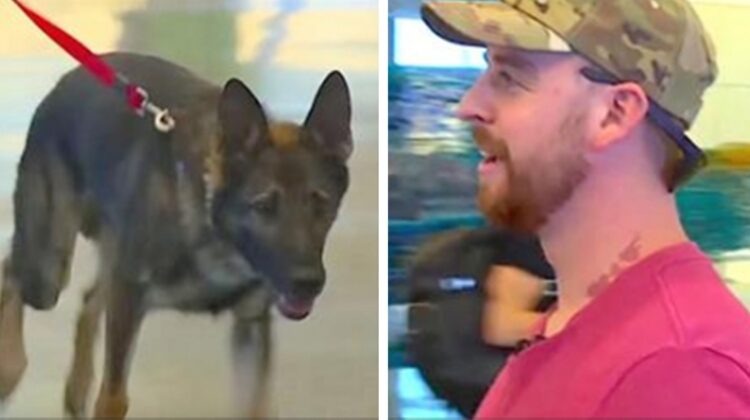
Vance McFarland spent two years in Afghanistan working alongside a dog trained to find roadside bombs. When his deployment ended, the Army sent the dog back into the program — and for three years, neither of them knew if they’d see each other again.
Partners in a War Zone
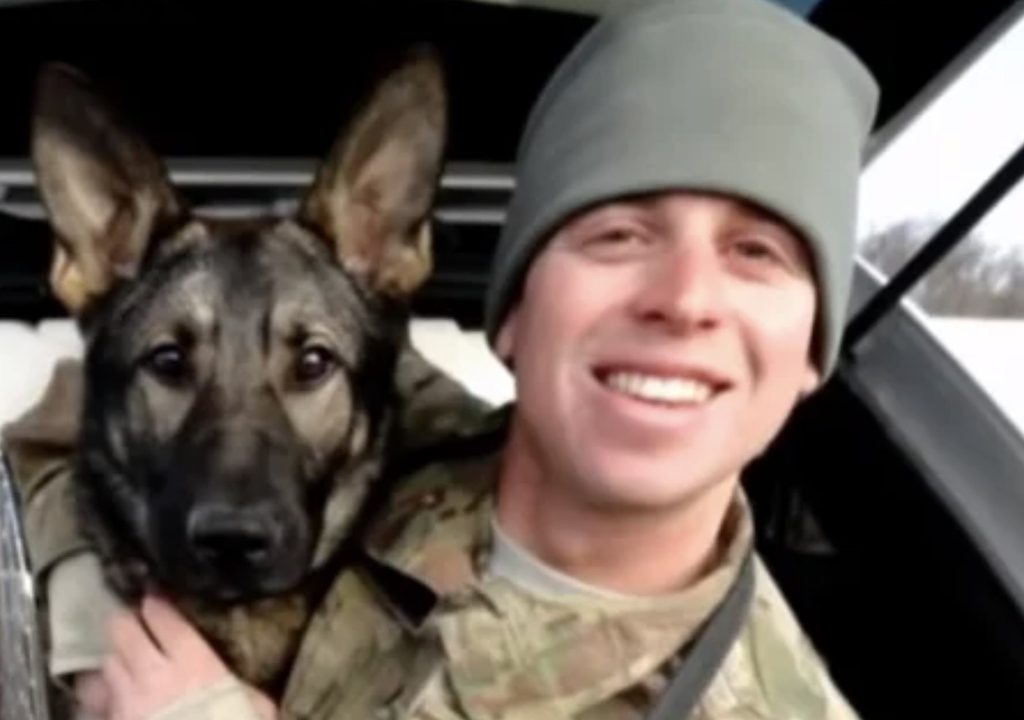
McFarland, then a U.S. Army specialist, was paired with Ikar, a Czech Shepherd trained as a Tactical Explosive Detection Dog (TEDD). Together they searched for improvised explosive devices and missing personnel during a roughly two-year tour that ended in 2012.
“Having Ikar definitely made it a lot better. Having a dog with you on deployment is almost like having a little bit of home,” McFarland told KTVB News.
When the pair returned to the United States, the Army separated them almost immediately, sending Ikar back through the TEDD program rather than letting McFarland keep him.
Seventeen Months in a Kennel
Ikar and roughly a dozen other TEDD dogs were later acquired by a private military contractor who was expected to find them new assignments. That never happened. The dogs sat unassigned in a Virginia kennel for 17 months, cared for by the kennel’s owner while the contractor failed to place them.
Eventually the dogs were turned over to two nonprofits, Mission K9 Rescue and the U.S. War Dogs Association, which began posting photos of the abandoned dogs on social media and asking service members to help identify their original handlers.
Found Through a Facebook Post
McFarland had no idea any of this was happening until his phone started filling up with messages. “I got Facebook stalked, to be honest with you,” he said. “I woke up one morning and had all kinds of messages… people were like, ‘Is this your dog? Were you a dog handler in the Army?'”
That’s how he learned Ikar had been abandoned, rescued, and was now his to adopt if he wanted him. He didn’t hesitate.
The Reunion
Three years after they were separated, McFarland waited at the Boise Airport as Ikar’s flight landed, unsure whether the dog would still recognize him. He didn’t need to worry — the reunion, caught on video, showed Ikar reacting immediately to his former handler.
McFarland, now a student studying biology and natural resources, brought Ikar home to live with his wife and two other dogs. Their first weekend back together included a trip to the lake, with McFarland promising Ikar “the rest of his retired life spoiled.”
Not an Isolated Case
Ikar’s story is one of several reunions Mission K9 Rescue and the U.S. War Dogs Association have facilitated between retired military working dogs and the handlers who served alongside them, part of an ongoing effort to make sure dogs who worked in combat zones aren’t simply left behind once their service ends.
Frequently Asked Questions
What is a Tactical Explosive Detection Dog (TEDD)? TEDDs are dogs trained by the U.S. military to detect improvised explosive devices in the field, typically working directly alongside an assigned handler during deployments.
Why were Vance and Ikar separated after returning from Afghanistan? Military working dogs in the TEDD program were generally rotated back into service with new assignments rather than released to their handlers, which is why Ikar was sent back into the program instead of going home with McFarland.
How do organizations like Mission K9 Rescue reunite dogs with former handlers? These nonprofits track down retired or abandoned military dogs, post identifying information publicly, and work to match them with former handlers or new adoptive homes once their working careers end.
Sources: KTVB News; American Kennel Club; Mission K9 Rescue.
Leave a Reply