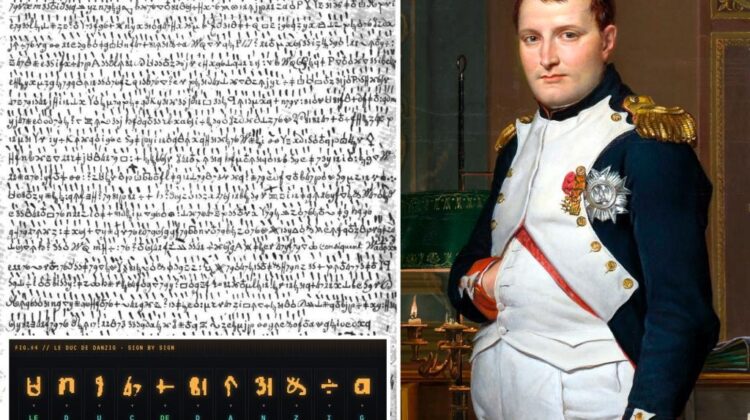
In March 1809, a coded message was sent to a French general stranded far from Napoleon’s main armies. Its key was lost, and for more than two centuries nobody could read it. Now an engineer with no codebreaking background says he has opened it, using OpenAI’s GPT-6 Astra.
The Letter Nobody Could Read
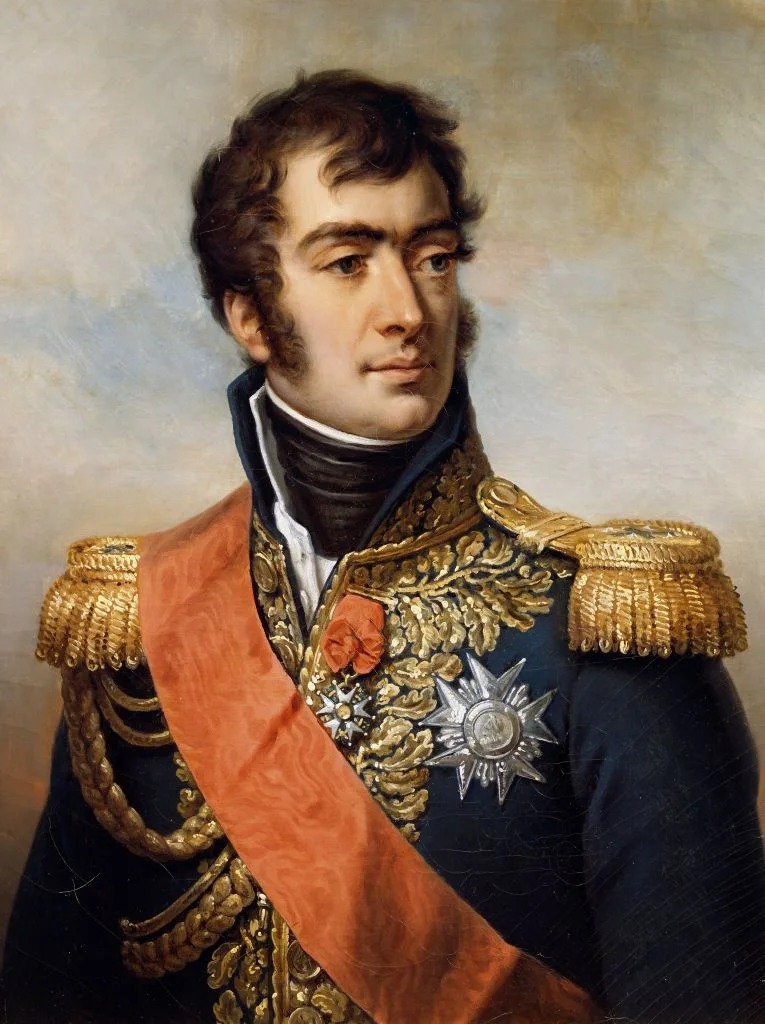
The message was written at the headquarters of Eugène de Beauharnais, Napoleon’s stepson and the Viceroy of Italy. It was addressed to Marshal Auguste de Marmont, who was posted in Dalmatia, in what is now Croatia, with Austria standing between him and the rest of the French army.
Napoleon had ordered that Marmont be told where every major French and allied force stood, in cipher, in case the letter was intercepted. The letter survived only as a low-resolution plate in a 1969 French military journal. The key did not survive at all.
Six Hours, One Image
Carter Church, an AI engineer at the cybersecurity firm SentinelOne, gave GPT-6 Astra a single scan and one goal. According to his published write-up, the model transcribed about 1,300 symbols, found a partial key compiled by historian Daniel Tant that covered roughly a third of the letter, and then built a solver to work out the rest. The whole job took about six hours of model time.
The code is homophonic, meaning common letters have several interchangeable symbols, which makes simple frequency counting useless. Cryptographer Satoshi Tomokiyo, who runs the Cryptiana list of unsolved ciphers, reviewed the result and marked the letter solved.
What the Letter Says
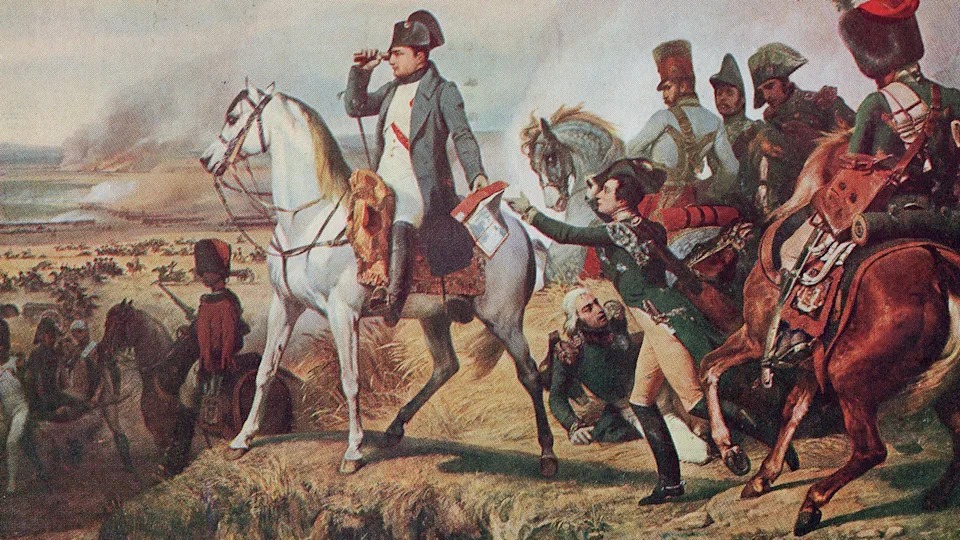
The decoded text is a military briefing. It lists Bavarian, Polish, Saxon and French forces across Europe, notes that Russian troops were said to be marching on Austria, and tells Marmont not to be intimidated by “a few troops or a gathering of rabble.” Church dated it to late March 1809, about two weeks before Austria invaded Bavaria.
It also fills a small gap. A sentence in Napoleon’s published 1865 correspondence breaks off mid-thought, and this letter carries the same instruction without the missing words.
Not a Bombshell, but a Proof of Concept
Historians say the content is not surprising, because Napoleon’s original instructions to Eugène already survive. Michael Rowe of King’s College London told Live Science it works “a bit like a kind of Rosetta Stone”: since we roughly know what the letter should say, a match builds trust in the method before it is used on real mysteries.
Church himself says the cipher was not especially hard, and trained cryptographers could have solved it given the time. His point is that nobody could justify spending weeks on one plate, and he expects the people shortening lists of unsolved problems to be “people who were simply curious.”
Protect Your Own Secrets
Napoleon used ciphers because intercepted mail could hand an enemy his plans. Today the same logic applies to your data:
- Password managers create and store strong, unique passwords.
- VPN services encrypt your connection on public Wi-Fi.
- Identity theft protection and credit monitoring alert you when your details are misused.
- Cyber insurance helps small businesses cover the costs of a breach.
Frequently Asked Questions
Who wrote the letter? It was written at the headquarters of Eugène de Beauharnais, Napoleon’s stepson, on Napoleon’s orders, and sent to Marshal Marmont.
How long did the AI take? Church reports about six hours of model time, working from a single low-resolution scan.
Does the letter change what we know about Napoleon? Not dramatically, since his original instructions were already known, but it fills in a missing phrase and shows how his headquarters briefed an isolated commander.
Could this work on other historical ciphers? Researchers are hopeful, though they stress that experts must still check AI results carefully.
Sources: Carter Church’s technical write-up, Live Science, Euronews, Runtime Wire, and Startup Fortune, all covering the AI-assisted decoding of the 1809 cipher letter to Marshal Marmont.
Leave a Reply