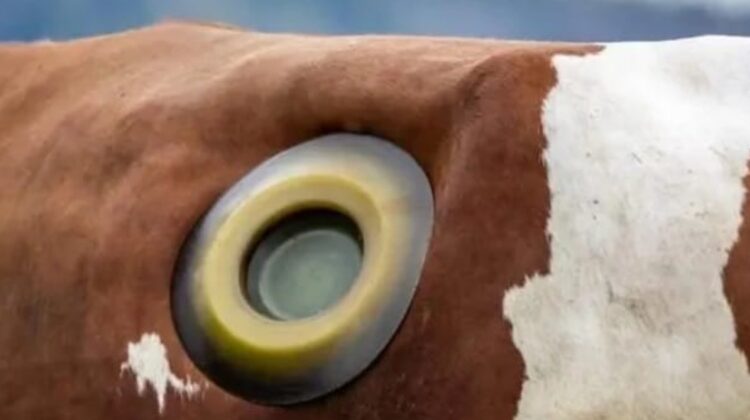
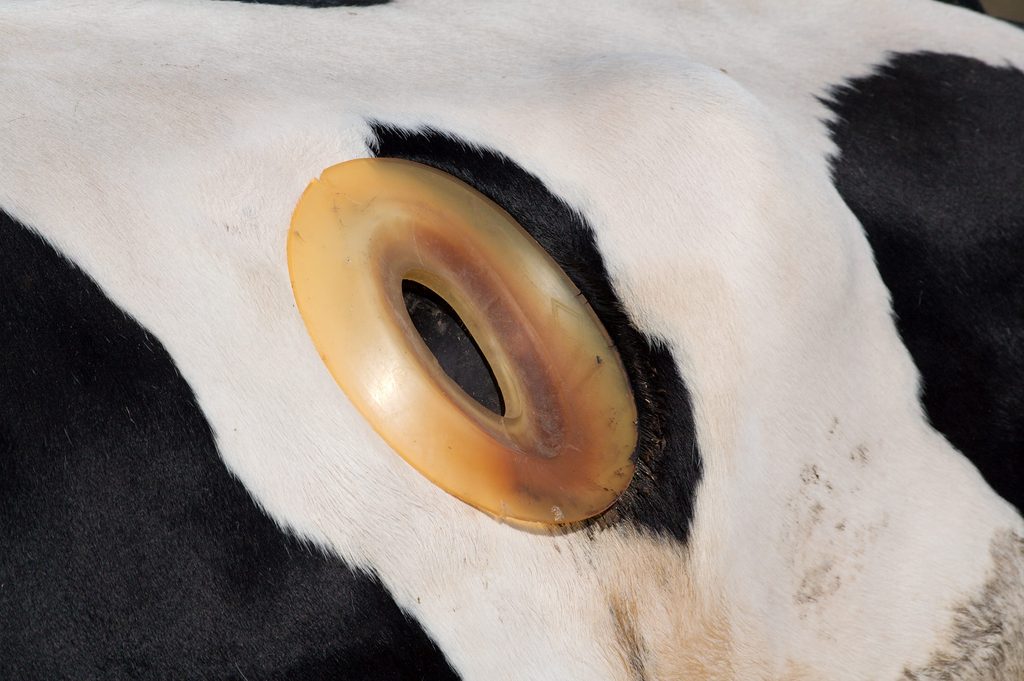
If you’ve ever seen a photo of a cow with what looks like a circular hatch in its side, you weren’t imagining things, and it isn’t a costume. It’s a surgically placed device called a cannula, and it’s been standard practice in agricultural research for nearly a century.
What a Cannula Actually Is
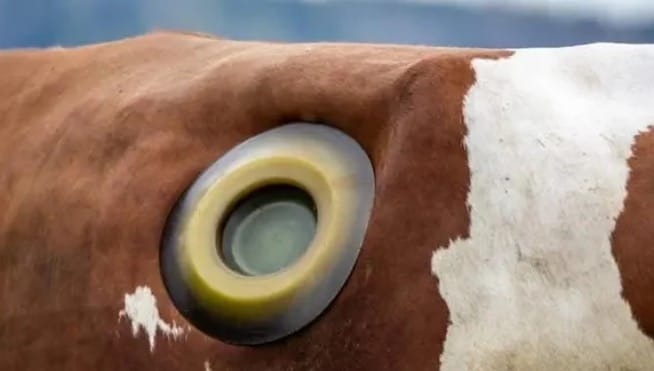
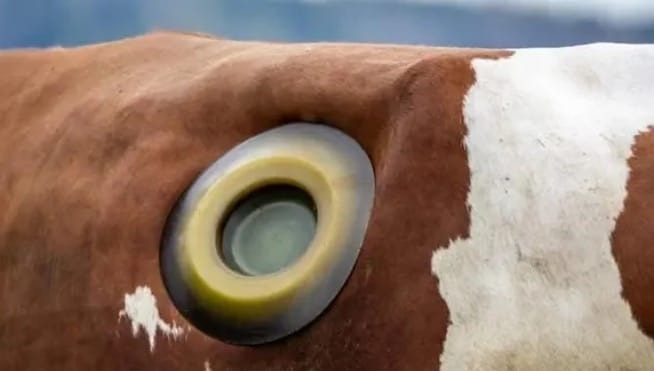
A cannulated cow, also called a fistulated cow, has undergone surgery to create a permanent opening into its rumen, the largest of a cow’s four stomach compartments. A plastic cannula, usually sealed with a removable cap, keeps that opening clean and accessible, functioning much like a small porthole directly into the animal’s digestive system.
Researchers and veterinarians use that access to study digestion, test feed efficiency, and monitor how cows process different diets, all without repeated sedation or surgery.
A Practice Nearly 100 Years Old
Rumen cannulation was first documented in 1928 by Arthur Frederick Schalk and R.S. Amadon of North Dakota Agricultural College. The goal from the start was to study digestion directly: a cannula lets researchers collect samples of partially digested feed, gases, and rumen microbes in real time. A 1939 study using cannulated cows, for instance, found that the pH of a cow’s rumen shifts throughout the day, becoming most alkaline right before feeding — the kind of finding that’s hard to get any other way.
What It’s Used For Today
Beyond research, cannulas serve a direct medical purpose. Veterinarians can draw rumen contents, rich in beneficial microbes, from a healthy fistulated cow and transfer them into a sick cow whose digestive system has stopped functioning properly. The process is called transfaunation, and it’s used similarly to a fecal microbiota transplant in human medicine, essentially resetting a struggling digestive system. In North America, veterinary schools, large-animal hospitals, and farms often keep a healthy cannulated cow specifically as a donor for this purpose. Rumen contents from cattle can also help treat sheep and goats, which have comparable digestive systems.
On the research side, better data on digestion has fed into diets aimed at improving milk production and reducing methane emissions, a significant contributor to agricultural greenhouse gas output.
How the Surgery Works
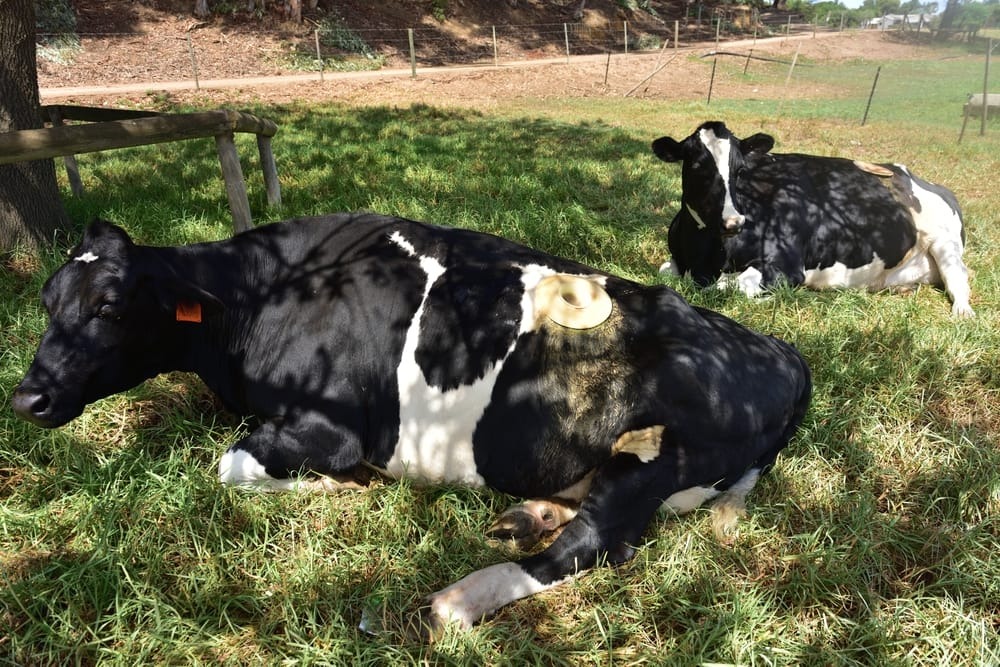
Before the procedure, a cow is fasted for 24 hours. The surgery itself is done with the animal standing, under local anesthetic, as a veterinarian creates an opening in the cow’s side and fits the cannula into place. Recovery generally takes four to six weeks. Multiple sources describe the long-term outlook as good, with cannulated cows reported to live normal lifespans, commonly cited as up to around 15 years, after recovering from the initial procedure.
The Case Against It
Not everyone agrees the practice is justified. The French animal rights group L214 has argued the surgery is invasive and unnecessary, pointing to broader health problems, like lameness and infections, that already affect some dairy cows, and arguing cannulation research adds another layer of intervention rather than addressing root causes.
PETA has raised similar objections, emphasizing the length of the recovery period and arguing the research mainly serves the economic interests of the dairy and meat industries rather than the animals themselves, since the cows involved are still ultimately part of food production systems.
A Transatlantic Divide
The practice is handled very differently depending on where you are. In North America, surgical cannulation remains common in both research and veterinary settings. In much of Europe, by contrast, permanently installing a cannula is widely viewed as unacceptable. European veterinarians instead use a flexible tube with a filtered metal tip, passed down the cow’s esophagus, to extract rumen fluid, typically up to about five liters per collection. It’s less invasive and doesn’t require surgery, though some researchers argue it provides a less complete picture than direct, ongoing access through a cannula.
Cannulated cows are also sometimes displayed at agricultural fairs and veterinary school events, where visitors can observe, and in some cases reach into, a cow’s digestive tract. These demonstrations are presented as educational, but they’ve drawn criticism and protest from animal welfare advocates who see them as a step too far.
Where This Leaves the Debate
Lab-based alternatives that simulate a cow’s digestive environment are in development and may eventually reduce reliance on live-animal access. For now, many researchers argue these models can’t fully replicate the complexity of an actual rumen. Whether that tradeoff is worth it, scientific insight and agricultural efficiency against the invasiveness of the procedure, remains genuinely contested, with reasonable people landing on different sides.
Frequently Asked Questions
Does a cannula hurt the cow long-term? Multiple veterinary sources describe the surgery as well-tolerated after recovery, with no reported reduction in lifespan. Animal welfare groups dispute how much weight should be given to that framing, given the broader health issues some dairy cows already face.
Is cannulation legal everywhere? It’s practiced in North America and other regions, but it’s widely considered unacceptable in much of Europe, where non-surgical alternatives are generally used instead.
What happens to the cow afterward? Many cannulated cows go on to serve as long-term research subjects or as rumen-microbe donors for sick cattle, a process called transfaunation.
Sources: Wikipedia (Cannulated cow); Amusing Planet; Bar Diamond, Inc.; multiple independent explainer articles covering the same practice.
Leave a Reply
You must be logged in to post a comment.